
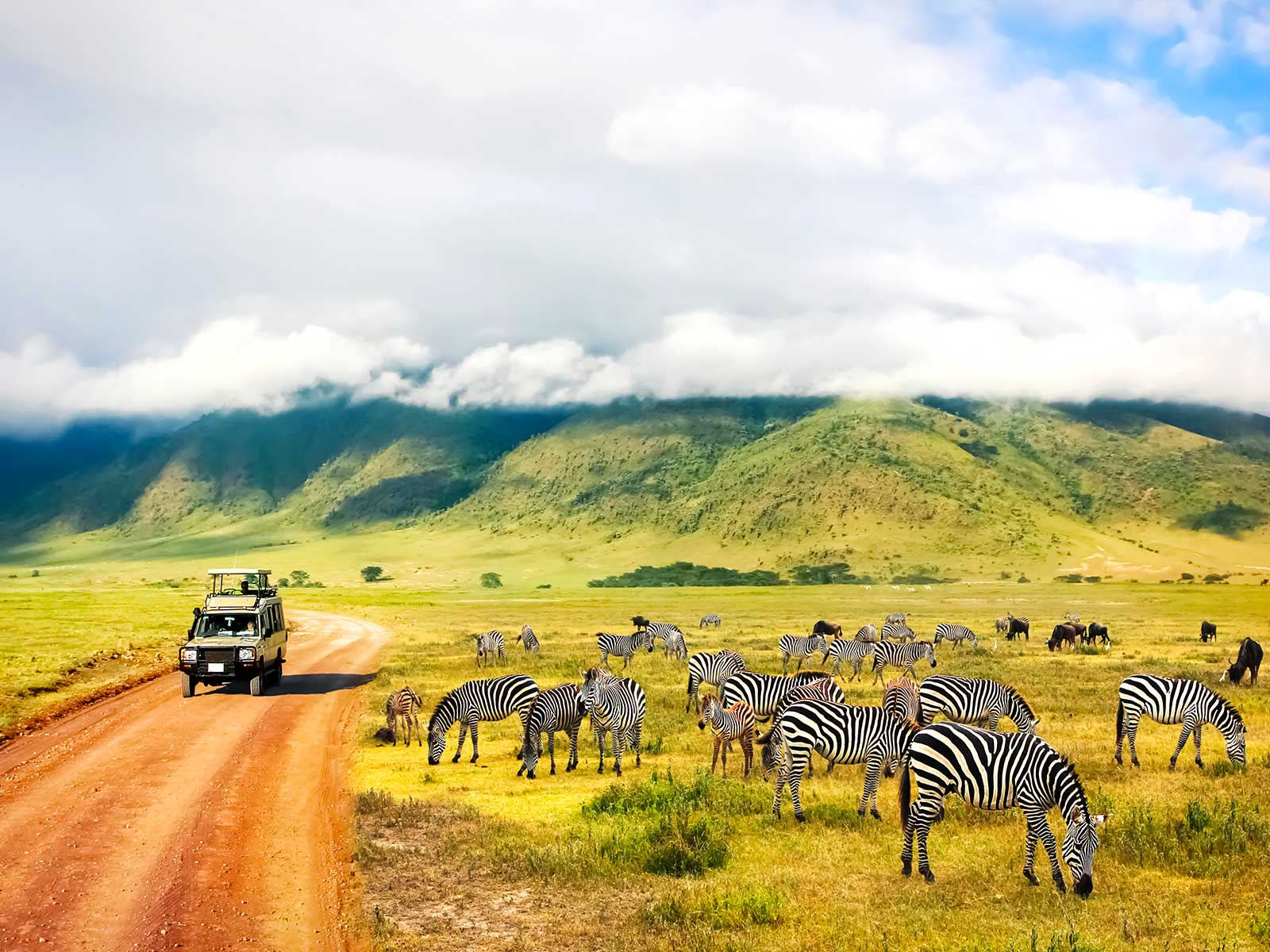
Safari Photography Tips: Capturing Wildlife & Landscapes in Tanzania
Tanzania, a land of breathtaking natural beauty and abundant wildlife, offers photographers an unparalleled canvas. From the endless plains of the Serengeti to the dramatic caldera of the Ngorongoro Conservation Area, every moment is an opportunity for an iconic shot. This guide will equip you with the essential tips to capture stunning images and tell the incredible story of your Tanzanian safari.
Preparing for Your Photographic Safari
Success in safari photography begins long before you set foot on the dusty tracks. Proper preparation ensures you're ready for any photographic challenge the African bush presents.
Essential Camera Gear
- DSLR or Mirrorless Camera:A camera with good low-light performance and fast autofocus is crucial. Modern mirrorless systems offer excellent capabilities in a lighter package.
- Telephoto Lens (150-600mm or similar):This is your primary lens for wildlife. The longer the reach, the better for capturing distant animals without disturbing them. A 200-500mm or 150-600mm zoom is highly recommended.
- Mid-Range Zoom Lens (24-70mm or 70-200mm):Versatile for wider shots of animals in their habitat, landscapes, and closer encounters.
- Wide-Angle Lens (16-35mm or similar):Essential for capturing the vastness of the Tanzanian landscapes, like the plains of the Serengeti National Park or the impressive scale of a baobab tree.
- Plenty of Batteries:You'll be shooting a lot, and charging opportunities can be limited. Bring at least 3-4 fully charged batteries.
- High-Capacity Memory Cards:Multiple large-capacity (e.g., 64GB or 128GB) cards are better than one giant one, as it mitigates risk if a card fails. Shoot in RAW for maximum editing flexibility.
- Lens Cleaning Kit:Dust is an omnipresent factor on safari. A blower, lens pen, and microfibre cloths are indispensable.
- Beanbag or Monopod:A beanbag is often more practical in safari vehicles than a tripod, providing a stable platform for long lenses. Some vehicles have built-in mounts.
- Dust and Rain Protection:Camera covers or even simple plastic bags can protect your gear from the elements.
Mastering the Light
Light is the essence of photography, and on safari, it dictates the mood and quality of your images.
- Golden Hours:Early morning (shortly after sunrise) and late afternoon (before sunset) are universally acknowledged as the best times for photography. The soft, warm light creates beautiful colours and long shadows, adding depth and drama to your wildlife shots.
- Midday Challenges:The harsh overhead sun at midday can create strong contrasts and washed-out colours. This is a good time to focus on black and white photography, close-up details, or perhaps capture animals seeking shade.
- Overcast Days:Don't dismiss overcast conditions! The diffused light can be fantastic for even, soft illumination, bringing out rich colours and details without harsh shadows.
“The best light is often found when you least expect it, but always prepare to shoot during the golden hours for that magical glow.”
Composition and Storytelling
Beyond technical settings, composition transforms a snapshot into a compelling photograph.
- Rule of Thirds:Place your subject off-centre, at the intersections of imaginary lines dividing your frame into nine equal parts. This creates more dynamic and engaging compositions.
- Leading Lines & Framing:Use natural elements like paths, rivers, or tree branches to lead the viewer's eye towards your subject or to frame it within the environment.
- Eye-Level Shots:Whenever possible, get down to eye level with your subject. This creates a more intimate and impactful connection with the animal.
- Capture Action and Emotion:Look for moments of interaction – a lion yawning, an elephant splashing in water near Lake Victoria, or zebras playing. These tell a story.
- Environmental Portraits:Don't just zoom in tight. Sometimes, showing the animal in its vast habitat, like a lone giraffe against the backdrop of Mount Kilimanjaro, adds context and scale.
Technical Settings for Wildlife Photography
Understanding your camera's settings is paramount for quick, decisive shooting.
- Shutter Speed:For freezing action, you'll need fast shutter speeds. Think 1/1000s or faster for birds in flight or running animals. For slower subjects, 1/250s to 1/500s might suffice. Adjust based on light conditions.
- Aperture (f-stop):A wider aperture (smaller f-number, e.g., f/4 or f/5.6) is great for isolating your subject with a blurred background (bokeh). For landscapes or groups of animals, a narrower aperture (larger f-number, e.g., f/8 or f/11) will keep more in focus.
- ISO:Keep your ISO as low as possible to minimize noise, especially in bright conditions. You'll need to increase it in low light (early morning, late evening, or on cloudy days), but modern cameras handle higher ISOs very well.
- Focusing Modes:Use continuous autofocus (AI Servo on Canon, AF-C on Nikon/Sony) to track moving subjects. Experiment with different autofocus area modes (e.g., dynamic area, 3D tracking) to find what works best for you.
- Burst Mode (Continuous Shooting):This allows you to take multiple shots in quick succession, significantly increasing your chances of capturing that perfect moment of action or expression.
Respectful Photography & Safari Etiquette
Responsible tourism is key to preserving Tanzania's natural wonders.
- Be Quiet and Still:Sudden movements or loud noises can disturb wildlife. Keep conversations low and movements slow.
- Maintain Distance:Your guide will ensure you stay at a safe and respectful distance from animals. Never ask them to drive too close.
- Follow Your Guide's Instructions:They are experts in wildlife behaviour and local conditions. Their instructions are for your safety and the animals' well-being.
- Minimize Disturbance:Avoid using flash photography at night, as it can disorient nocturnal animals.
- Leave No Trace:Ensure nothing is left behind in the parks.
Beyond Wildlife: Landscapes and Culture
While wildlife is a primary draw, Tanzania offers much more for the keen photographer.
- Dramatic Landscapes:Capture the sweeping vistas of the Serengeti, the unique ecosystem of the Ngorongoro Conservation Area, or the rugged beauty of Ruaha National Park. Sunrises and sunsets over these incredible backdrops are unforgettable.
- Cultural Encounters:With permission, photograph the vibrant cultures you encounter, whether it's the Maasai people near the parks or the bustling markets of Dar Es Salaam. Places like the Cultural Heritage Centre or the Village Museum offer insights into local traditions.
- Coastal Beauty:Don't forget Tanzania's stunning coastline and islands like Mafia Island or Pemba Island, offering incredible opportunities for underwater photography or serene beachscapes.
Post-Processing Basics
Your photographic journey doesn't end when you leave Tanzania. Basic post-processing can significantly enhance your raw images. Adjusting exposure, contrast, white balance, and sharpening can bring out the best in your shots. Software like Adobe Lightroom or Capture One are industry standards.
Practice and Patience
Ultimately, the best safari photographs are a result of practice and immense patience. Spend time familiarizing yourself with your camera before your trip. Once in Tanzania, be prepared to wait for that perfect moment. Sometimes, the most rewarding shots come after hours of quiet observation.
Your Tanzanian safari is a journey of a lifetime. By following these tips, you'll not only capture incredible memories but also create stunning photographs that truly convey the magic of this extraordinary destination.