
Responsible Tourism in Tanzania: How to Travel Ethically
Tanzania, a land of breathtaking landscapes, iconic wildlife, and vibrant cultures, beckons travelers from across the globe. As you plan your unforgettable safari or beach escape, consider how your journey can positively impact this incredible country. Embracing responsible tourism ensures that your adventure not only creates lasting memories for you but also contributes to the well-being of local communities and the preservation of Tanzania's precious natural heritage.
Why Responsible Tourism Matters in Tanzania
Tourism is a vital economic driver for Tanzania, supporting countless livelihoods and funding critical conservation efforts. However, unchecked tourism can also lead to environmental degradation, cultural erosion, and economic disparities. Responsible tourism is about striking a balance, minimizing negative impacts while maximizing the benefits for everyone involved – the environment, local people, and travelers themselves.
Support Local Communities and the Economy
One of the most direct ways to travel ethically in Tanzania is by channeling your spending directly into the local economy. This means choosing local businesses and interacting fairly with residents.
- Choose Local Tour Operators and Guides:Opt for Tanzanian-owned safari companies and local guides. They often have deeper knowledge of the land, wildlife, and culture, and your money stays within the country, supporting local families and businesses. Ask about their employment practices and how they give back to the community.
- Stay in Locally-Owned Accommodations:Whenever possible, choose guesthouses, lodges, and camps that are locally owned and managed. These establishments are more likely to employ local staff, source food locally, and invest in their communities.
- Buy Local Crafts and Souvenirs Ethically:When purchasing souvenirs, seek out items made by local artisans. Places like the Cultural Heritage Centre near Arusha offer a good selection. Bargaining is common in markets, but do so respectfully and fairly, understanding the value of the craftsmanship. Avoid items made from endangered species or materials.
- Tip Appropriately:Tipping is a customary and important part of the service industry in Tanzania. Research appropriate tipping guidelines for guides, porters (especially when climbing Mount Kilimanjaro), drivers, and hotel staff. This directly supplements their income and acknowledges their hard work.
- Visit Community Projects:Some tour operators facilitate visits to local schools, villages, or community projects. Ensure these visits are respectful, pre-arranged, and genuinely benefit the community, rather than being purely for tourist spectacle.
Tip:Learning a few basic Swahili phrases like "Jambo" (Hello), "Asante sana" (Thank you very much), and "Karibu" (Welcome) goes a long way in showing respect and fostering positive interactions with locals.
Respect Wildlife and Preserve the Environment
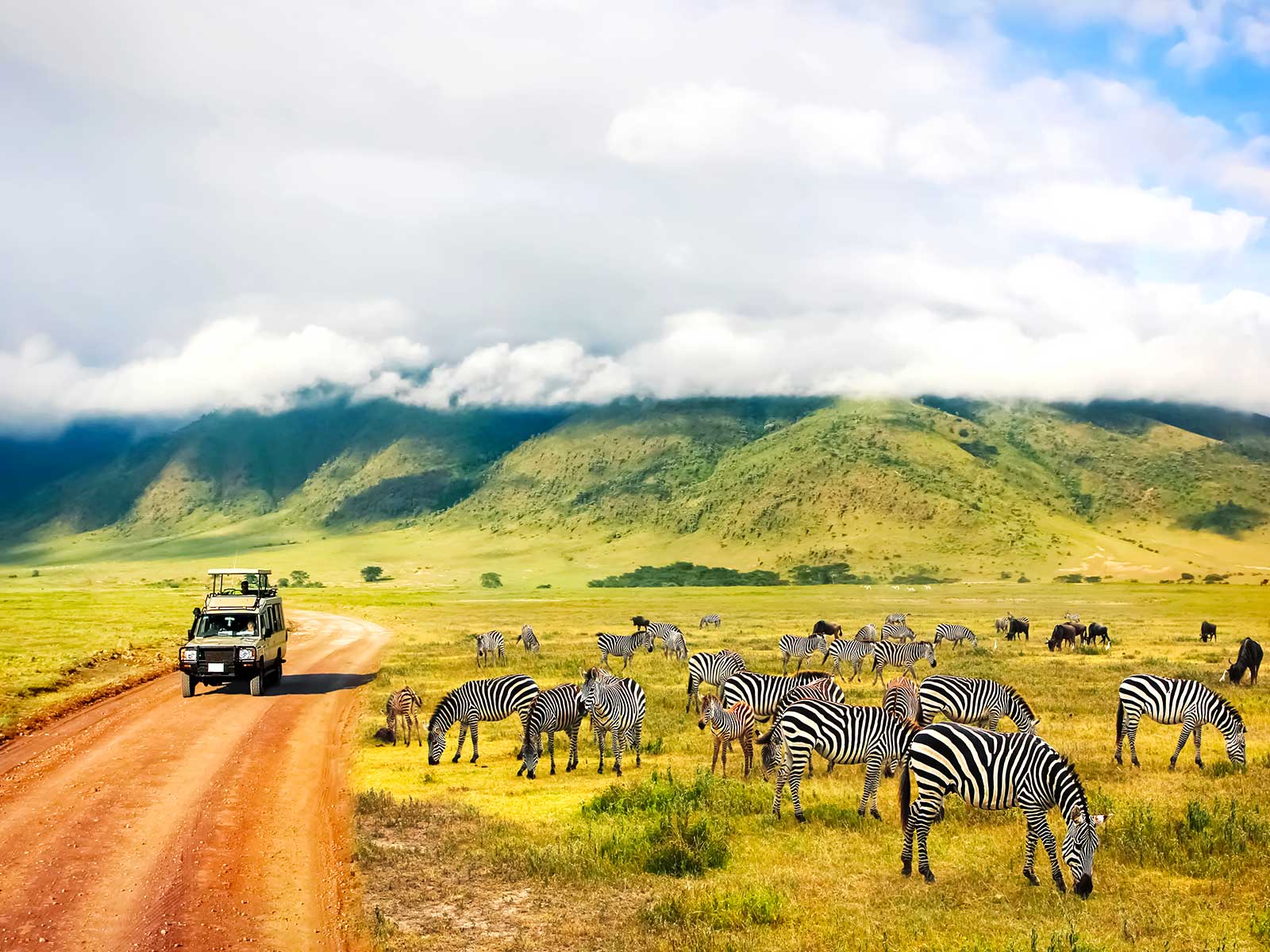
Tanzania is world-renowned for its incredible wildlife and pristine natural environments, from the vast plains of Serengeti National Park to the unique ecosystem of the Ngorongoro Conservation Area. Protecting these treasures is paramount.
- Follow Safari Etiquette:
- Maintain a safe and respectful distance from all animals.
- Never feed wild animals.
- Stay on designated roads and tracks to minimize disturbance to vegetation and wildlife habitats.
- Keep noise to a minimum to avoid scaring animals.
- Switch off your engine when stopped for viewing to reduce emissions and noise.
- Only take photos; leave only footprints.
- Minimize Your Environmental Footprint:
- Reduce Waste:Carry a reusable water bottle and refill it whenever possible. Avoid single-use plastics. Many lodges and camps now offer filtered water.
- Conserve Resources:Be mindful of your water and electricity usage in lodges and camps. Tanzania faces water scarcity in many regions.
- Leave No Trace:Pack out everything you pack in. Dispose of waste responsibly, using designated bins or taking it with you until you find appropriate disposal facilities.
- Support Conservation Efforts:Choose tour operators and lodges that actively contribute to conservation initiatives. Many parks, including Ruaha National Park and Katavi National Park, rely on tourism revenue for anti-poaching and habitat protection.
- Ethical Marine Tourism:If visiting coastal areas or islands like Mafia Island or Pemba Island, choose responsible dive and snorkel operators. Do not touch coral reefs or marine life. Ensure boat operators adhere to regulations protecting marine ecosystems.
Engage with Culture Respectfully
Tanzania boasts over 120 different ethnic groups, each with its unique traditions and customs. Engaging respectfully with these cultures enriches your travel experience and shows genuine appreciation.
- Dress Modestly:Particularly when visiting villages, religious sites, or urban areas like Dar Es Salaam, modest dress (shoulders and knees covered) is appreciated, especially for women.
- Ask for Permission Before Taking Photos:Always ask individuals before taking their photograph, especially children. A simple "Naomba picha?" (May I have a photo?) can make a big difference. Respect their decision if they decline.
- Learn About Local Customs:A little research into local etiquette, greetings, and social norms can prevent misunderstandings and foster positive interactions. For instance, shaking hands is common, and it's polite to use your right hand.
- Visit Cultural Sites Thoughtfully:Explore places like the Village Museum in Dar es Salaam to learn about traditional Tanzanian life. When visiting actual villages, remember you are a guest and act accordingly.
Responsible Travel Practices
Beyond specific interactions, your general approach to travel can also be more ethical.
- Choose Sustainable Transport:While safaris often require 4x4 vehicles, consider reducing your carbon footprint where possible. Opt for direct flights, and explore walking safaris or boat tours (e.g., on Lake Victoria) where appropriate.
- Be a Conscious Consumer:Think about the origin of your food and products. Support businesses that prioritize sustainable practices and fair trade.
- Stay Informed and Educated:Before and during your trip, stay informed about local issues, conservation challenges, and community needs. This awareness will help you make more responsible choices.
Pre-Travel Research and Planning
Ethical travel begins before you even leave home. Take the time to research your tour operators, accommodations, and activities. Look for certifications from recognized responsible tourism organizations, read reviews that highlight ethical practices, and don't hesitate to ask direct questions about their environmental policies, community engagement, and staff welfare.
Conclusion
Traveling ethically in Tanzania is not about sacrificing comfort or adventure; it's about enriching your experience by making conscious choices that benefit the people, wildlife, and natural beauty of this remarkable country. By supporting local economies, respecting cultures, and protecting the environment, you become part of a positive force, ensuring that Tanzania remains a vibrant and pristine destination for generations to come. Your ethical journey is a powerful testament to the beauty of responsible exploration.