
Packing List for a Tanzania Safari: What to Bring on Your African Adventure
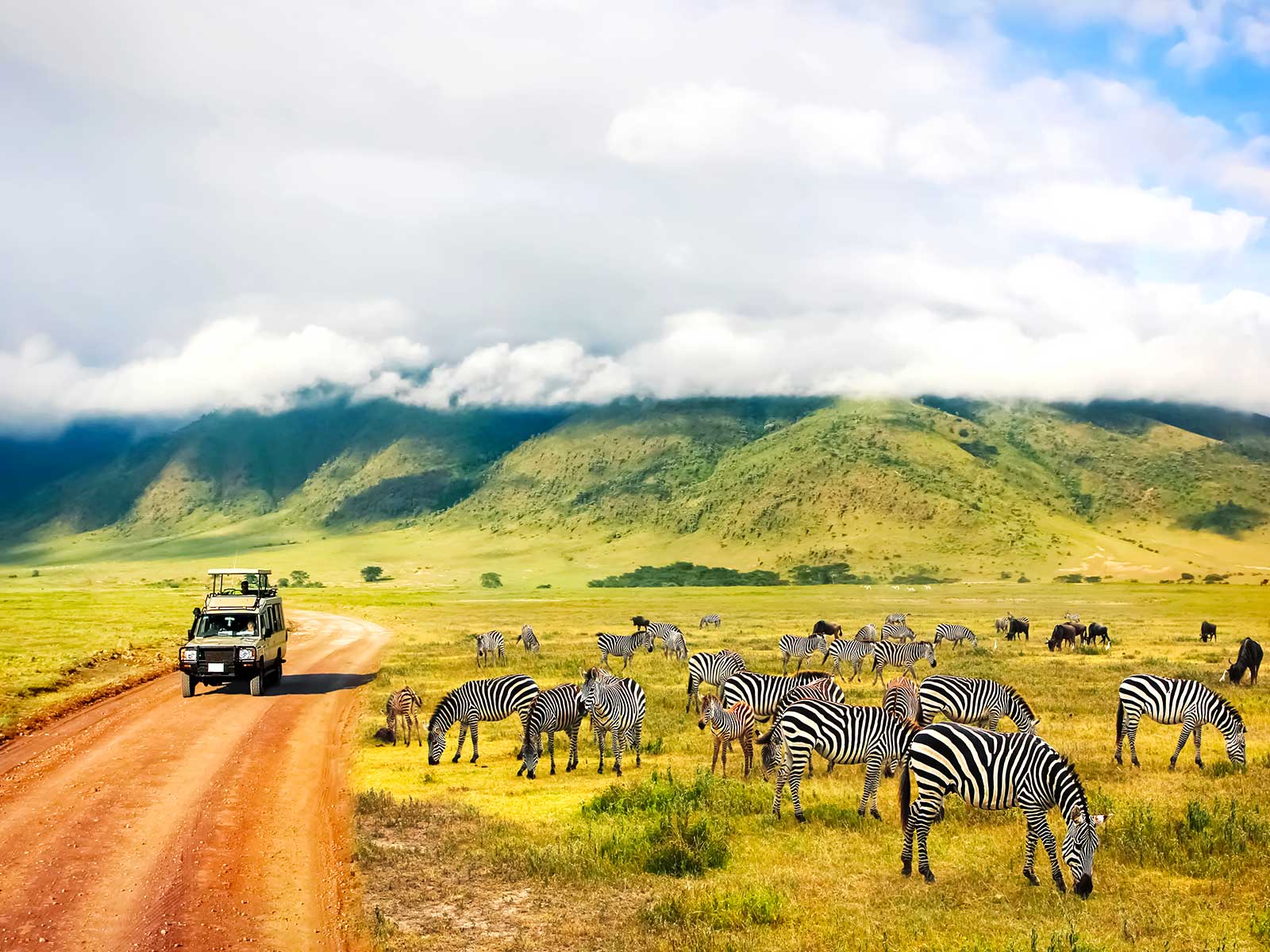
Embarking on a Tanzania safari is a dream come true for many, promising incredible wildlife encounters, breathtaking landscapes, and unforgettable memories. To ensure your adventure is as smooth and enjoyable as possible, proper packing is absolutely essential. This comprehensive guide will help you prepare for the diverse environments and experiences that await you.
Why Your Packing Choices Matter on Safari
Tanzania offers a wide range of climates and terrains, from the vast plains of Serengeti National Park and the unique ecosystem of the Ngorongoro Conservation Area to the potentially cooler altitudes and warm coastal areas. Your packing list needs to account for hot days, cool mornings and evenings, dusty roads, and potential rain. Choosing the right items will enhance your comfort, protect you from the elements, and ensure you make the most of every moment.
Luggage Essentials
Most safari operators, especially those using light aircraft for internal transfers, have strict luggage weight and size restrictions. A soft-sided duffel bag is universally recommended over rigid suitcases. This allows for easier storage in safari vehicles and bush planes.
- Soft-sided Duffel Bag:Opt for one with a capacity of 60-90 liters.
- Daypack:A small backpack (20-30 liters) is ideal for daily game drives, carrying water, cameras, snacks, and personal items.
- Reusable Ziploc Bags:Excellent for organizing small items, protecting electronics from dust, and separating dirty laundry.
Clothing: Layers are Key
The secret to comfortable safari attire is layering. Early mornings can be chilly, heating up significantly by midday, and then cooling down again in the evenings. Neutral colors are best as they blend into the environment and are less likely to attract insects.
Colors and Materials
- Neutral Tones:Khaki, olive green, tan, brown, and grey are recommended. Avoid bright colors, dark blue (attracts tsetse flies), and camouflage patterns (which are reserved for military personnel).
- Breathable Fabrics:Lightweight cotton, linen, or quick-drying synthetic blends are ideal for hot conditions.
Specific Clothing Items
- Long-Sleeved Shirts (2-3):Provide sun protection during the day and warmth in the evenings. Choose light, breathable fabrics.
- T-shirts/Short-Sleeved Shirts (3-4):For warmer daytime wear.
- Long Trousers (2-3 pairs):Convertible pants that zip off into shorts are very practical. They offer protection from sun, dust, and insects.
- Shorts (1-2 pairs):For relaxing in camp or very hot afternoons.
- Fleece Jacket or Sweater:Essential for chilly mornings and evenings, especially at higher altitudes like the Ngorongoro Crater rim.
- Lightweight Waterproof/Windproof Jacket:For unexpected rain showers or windy conditions.
- Swimsuit:If your lodge has a pool or if you plan to visit coastal areas like Mafia Island or Pemba Island.
- Pajamas:Lightweight and comfortable.
- Socks and Underwear:Enough for the duration of your trip, preferably quick-drying.
Safari Tip:Many lodges offer laundry services, often included or for a small fee. This can significantly reduce the amount of clothing you need to pack, especially for longer trips.
Footwear
Comfortable and sturdy footwear is crucial, even if you're primarily in a vehicle.
- Comfortable Walking Shoes/Sneakers:Your primary footwear for game drives, walking around camp, and light strolls. Closed-toe shoes are recommended for dust and insect protection.
- Sandals/Flip-flops:For relaxing in your tent/room or around the lodge.
- Hiking Boots (Optional):Only necessary if you plan on specific walking safaris, bush walks, or if you're combining your safari with a trek up Mount Kilimanjaro.
Health and Safety
Being prepared for health and safety eventualities is paramount.
- Personal Medications:Bring an ample supply of any prescription medications in their original packaging, along with copies of prescriptions.
- Basic First-Aid Kit:Include pain relievers, anti-diarrhea medication, antihistamines, antiseptic wipes, bandages, blister treatment, and any personal allergy medications.
- Insect Repellent:With DEET or Picaridin is highly recommended, especially for evenings.
- Sunscreen:High SPF is essential due to the strong equatorial sun.
- Wide-Brimmed Hat:For sun protection.
- Sunglasses:Protect your eyes from sun and dust.
- Hand Sanitizer:Useful for hygiene on the go.
- Lip Balm with SPF:To prevent chapped lips.
Documents and Money
Keep these vital items secure and easily accessible.
- Passport and Visa:Ensure your passport is valid for at least six months beyond your departure date and has sufficient blank pages.
- Flight Tickets and Itinerary:Both physical and digital copies.
- Travel Insurance Details:Crucial for unexpected events.
- Photocopies/Digital Copies:Of all important documents (passport, visa, flight tickets, insurance) stored separately from the originals.
- Cash:Small denominations of US dollars are widely accepted for tips and smaller purchases. You'll also need some Tanzanian Shillings for local markets or places like the Cultural Heritage Centre near Arusha.
- Credit/Debit Cards:Inform your bank of your travel plans.
Photography and Electronics
Capture your incredible moments and stay powered up.
- Camera and Lenses:A good camera with a zoom lens (e.g., 70-300mm or longer) is highly recommended for wildlife photography.
- Extra Batteries and Memory Cards:You'll take more photos than you think!
- Portable Power Bank:For charging phones and smaller devices.
- Universal Travel Adapter:Tanzania uses Type G (UK standard) and Type D (old Indian standard) outlets, though Type G is most common in tourist accommodations.
- Binoculars:Absolutely essential for spotting distant wildlife and enhancing your viewing experience. Most safari vehicles will have a pair, but having your own is a huge advantage.
- Headlamp or Small Torch:Useful for navigating around camp after dark.
- Phone:For communication, maps, and quick photos.
Personal Items and Toiletries
Pack light and consider biodegradable options.
- Biodegradable Toiletries:Shampoo, conditioner, soap, toothpaste. Many lodges provide these.
- Moisturizer:The dry air can be harsh on skin.
- Small, Quick-Drying Towel:Useful for various purposes.
- Wet Wipes:For quick clean-ups on dusty days.
Miscellaneous but Important
- Reusable Water Bottle:Stay hydrated and reduce plastic waste. Many lodges offer filtered water refills.
- Journal and Pen:To record your safari sightings and experiences.
- Book or E-reader:For downtime between game drives.
- Small Bag for Laundry:To keep dirty clothes separate.
- Neck Pillow (for flights):Especially for long international journeys to Dar Es Salaam or Kilimanjaro International Airport.
- Snacks:Energy bars or dried fruit can be handy between meals.
What NOT to Bring
Some items are best left at home:
- Camouflage Clothing:As mentioned, this is reserved for military use and can cause issues.
- Excessive Valuables:Leave expensive jewelry at home.
- Hard-Sided Suitcases:They are impractical for safari transport.
- Single-Use Plastics:Tanzania is making efforts to reduce plastic waste; use reusable alternatives.
Final Thoughts on Preparation
While this list is comprehensive, remember that flexibility is key. Focus on practicality, comfort, and protection from the elements. By thoughtfully preparing your packing list, you'll be well-equipped to fully immerse yourself in the magic of a Tanzania safari, creating memories that will last a lifetime.