
Mount Kilimanjaro Climbing Guide: Preparation, Permits & What to Expect
Standing majestically as Africa's highest peak,Mount Kilimanjaro beckons adventurers from across the globe. Conquering its summit is an unforgettable achievement, offering breathtaking views and a profound sense of accomplishment. This guide provides essential information to help you prepare for this incredible journey, understand the necessary permits, and know what to expect on the mountain.
Why Climb Kilimanjaro?
Kilimanjaro isn't just a mountain; it's an icon, a dormant volcano rising dramatically from the plains of Tanzania. Unlike many other high peaks, it doesn't require technical climbing skills, making it accessible to anyone with a good level of fitness and determination. The allure lies in the challenge, the stunning natural beauty, and the unique experience of traversing five distinct ecological zones from tropical rainforest to arctic summit.
Choosing Your Route & Duration
Several routes lead to Kilimanjaro's Uhuru Peak, each offering different scenery, challenges, and acclimatization profiles. The duration of your trek significantly impacts your chances of success, with longer routes generally allowing for better acclimatization.
- Machame Route:Known as the "Whiskey Route," it's popular for its scenic beauty and good acclimatization profile, typically taking 6-7 days.
- Lemosho Route:Considered one of the most beautiful routes, offering great views and a gradual ascent over 7-9 days, ideal for acclimatization.
- Marangu Route:The "Coca-Cola Route" is the oldest and only route offering hut accommodation, generally taking 5-6 days. Its shorter duration can make acclimatization more challenging for some.
- Rongai Route:Approaches from the north, experiencing less rainfall. It's a relatively gentle ascent, usually 6-7 days.
- Umbwe Route:The shortest, steepest, and most challenging route, recommended only for experienced trekkers who can acclimatize quickly, typically 5-6 days.
- Northern Circuit:The newest and longest route, taking 8-9 days. Its extended duration offers the best acclimatization and incredible panoramic views.
For most climbers, a route lasting at least 7 days is recommended to maximize acclimatization and enjoyment. Consult with your chosen tour operator to select the best route for your fitness level and preferences.
Essential Preparation for Your Ascent
Physical Fitness
While no technical climbing is involved, Kilimanjaro demands significant physical endurance. Begin a rigorous training program at least 3-4 months before your climb. Focus on:
- Cardiovascular Training:Long walks, hiking, running, cycling, or swimming to build stamina.
- Strength Training:Core, leg, and back exercises to carry a daypack and navigate varied terrain.
- Hiking Practice:Include long hikes (4-6 hours) with a weighted daypack, preferably on uneven terrain and at increasing altitudes if possible. Break in your hiking boots thoroughly to prevent blisters.
Gear & Packing List
Proper gear is paramount for comfort and safety. Temperatures range from hot at the base to well below freezing at the summit. Layering is key.
- Clothing:
- Base Layers:Moisture-wicking tops and bottoms (synthetic or merino wool).
- Mid Layers:Fleece jackets, insulated vests.
- Outer Layers:Waterproof and windproof jacket and trousers.
- Warm Layers:Down jacket for evenings and summit night.
- Accessories:Warm hat, balaclava, waterproof gloves/mittens, gaiters.
- Footwear:
- Hiking Boots:Waterproof, well-broken-in, sturdy, and ankle-supporting.
- Camp Shoes:Trainers or sandals for comfort in camp.
- Socks:Moisture-wicking hiking socks (several pairs) and warm summit socks.
- Sleeping & Shelter:
- Sleeping Bag:Rated to at least -15°C (0°F).
- Sleeping Pad:For insulation and comfort (often provided by operators).
- Hydration & Nutrition:
- Water Bottles/Bladder:At least 3-4 liters capacity.
- Water Purification:Tablets or filter.
- Snacks:Energy bars, nuts, dried fruit for personal use.
- Other Essentials:
- Daypack:25-35 liters for daily essentials.
- Duffel Bag:For porters to carry main gear (waterproof).
- Headlamp:With extra batteries (crucial for summit night).
- Sun Protection:Sunglasses (category 3 or 4), wide-brimmed hat, high SPF sunscreen, lip balm.
- Medical Kit:Personal medications, pain relievers, blister treatment, anti-diarrhea medication.
- Toiletries:Biodegradable soap, wet wipes.
- Camera:With extra batteries.
Your tour operator will provide a comprehensive packing list. Remember that porters have weight limits for your duffel bag.
Health & Safety
The primary health concern on Kilimanjaro isAcute Mountain Sickness (AMS). Symptoms include headache, nausea, dizziness, fatigue, and loss of appetite. Severe forms (HAPE/HACE) are life-threatening. Prevention is key: go "pole pole" (slowly, slowly), hydrate constantly, and ascend gradually. Consult your doctor about altitude sickness medication like Diamox.
Ensure you have comprehensive travel insurance that covers high-altitude trekking and emergency evacuation. Check with your doctor about necessary vaccinations for Tanzania, such as Yellow Fever, Tetanus, Hepatitis A, and Typhoid.
Understanding Permits & Logistics
The Role of Licensed Operators
Climbing Kilimanjaro independently is strictly forbidden. You must trek with a licensed tour operator who employs trained guides, porters, and cooks. These operators handle all logistics, including permits, park fees, food, water, and camping equipment. Choosing a reputable operator is crucial for your safety, success, and the well-being of their staff.
Park Fees & Permits
The cost of climbing Kilimanjaro largely comprises national park fees, which include conservation fees, camping/hut fees, rescue fees, and guide/porter fees. These are collected by the Tanzania National Parks Authority (TANAPA) and are typically included in your tour package. You won't directly deal with these permits; your operator manages them.
Visa Requirements
Most foreign nationals require a visa to enter Tanzania. You can usually obtain one on arrival at major entry points or apply for an e-visa in advance. Check the latest requirements based on your nationality well before your trip.
Booking in Advance
It's highly recommended to book your Kilimanjaro climb several months in advance, especially if you plan to travel during peak seasons (January-March and June-October). This ensures availability with reputable operators and allows ample time for physical preparation.
What to Expect on the Mountain
Daily Routine
A typical day on Kilimanjaro involves an early wake-up, a hearty breakfast, and then several hours of trekking. Lunch is often packed or served en route. You'll arrive at camp in the afternoon, where you can rest, rehydrate, and enjoy dinner prepared by the cook. Nights are spent in tents (or huts on the Marangu route), with temperatures dropping significantly.
Diverse Landscapes
The journey takes you through an incredible range of ecosystems:
- Rainforest Zone:Lush and humid, home to diverse flora and fauna.
- Moorland Zone:Open grasslands and heather, often misty.
- Alpine Desert Zone:Sparse vegetation, rocky terrain, and colder temperatures.
- Arctic Zone:The summit, characterized by ice, snow, and extreme cold.
"Kilimanjaro is more than just a mountain; it's a journey through five distinct climatic zones, each with its own unique ecosystem, making every day's trek a new visual experience."
The Summit Push
Summit night is the most challenging part of the climb. You'll typically wake around midnight, have a light snack, and begin the slow, arduous ascent in the dark. The goal is to reach Uhuru Peak around sunrise, offering a spectacular reward for your effort. After a brief celebration and photos, you'll begin the long descent back to a lower camp.
Food & Water
Your tour operator provides all meals, which are surprisingly varied and nutritious, designed to fuel your body for the trek. Expect a mix of local and international dishes. Guides emphasize constant hydration; you'll typically drink 3-5 liters of water daily, often sourced from streams and purified.
Accommodation
Except for the Marangu route, all other routes involve camping in dome tents. These are typically set up by the porter team before your arrival, offering a basic but comfortable shelter from the elements.
The Crew
Your climb is made possible by an incredible team of local Tanzanians. Your guides are highly experienced in navigating the mountain and monitoring your health. Porters carry the majority of the equipment, and cooks prepare all your meals. Treat them with respect and gratitude; they are vital to your success and safety.
Acclimatization and "Pole Pole"
The Swahili phrase "pole pole" (pronounced "pol-ee pol-ee"), meaning "slowly, slowly," is the mantra on Kilimanjaro. It emphasizes a deliberate, unhurried pace essential for proper acclimatization. Listen to your guides, drink plenty of water, eat well, and rest when you can. Rushing can lead to altitude sickness and jeopardize your climb.
Beyond Kilimanjaro: Exploring Tanzania
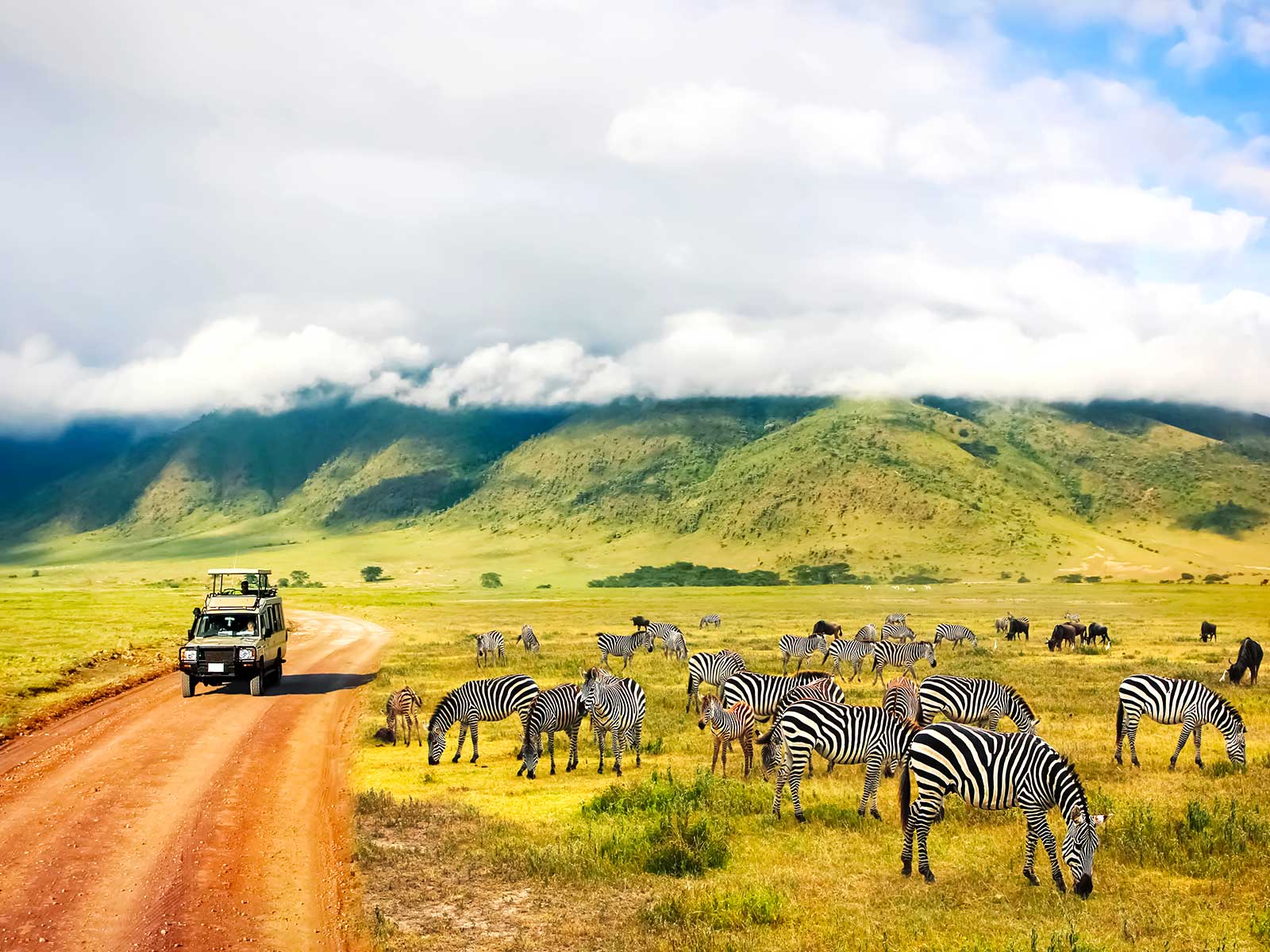
After conquering Kilimanjaro, you'll likely want to relax and explore more of Tanzania's wonders. Consider combining your trek with a breathtaking safari adventure in Serengeti National Park or the Ngorongoro Conservation Area to witness the incredible wildlife. For a more relaxed experience, unwind at the Kikuletwa Hotsprings or journey to the pristine beaches and turquoise waters of Mafia Island or Pemba Island. Many international flights arrive and depart via Dar Es Salaam, offering another gateway to the country's diverse attractions.
Climbing Mount Kilimanjaro is a challenging yet profoundly rewarding experience. With thorough preparation, a reputable operator, and a positive mindset, you can achieve your dream of standing on the Roof of Africa.