
Kilimanjaro Climbing Routes: Lemosho, Machame, Marangu & More Explained
Embarking on a journey to the Roof of Africa,Mount Kilimanjaro, is an unforgettable adventure that requires careful planning. Your choice of climbing route is perhaps the most critical decision, directly impacting your acclimatization, experience, and ultimately, your chances of reaching Uhuru Peak.
This comprehensive guide breaks down the most popular and lesser-known routes, helping you select the perfect path for your ascent to Africa's highest point.
Understanding Kilimanjaro Routes: Why Choice Matters
Kilimanjaro offers several distinct paths to its summit, each varying in duration, scenery, difficulty, and crucially, its profile for acclimatization. A longer route generally allows for a more gradual ascent, giving your body more time to adapt to the increasing altitude, which significantly improves your summit success rate and overall enjoyment.
The routes are primarily categorized by their starting points and general ascent profiles, converging near the summit for the final push. Understanding these differences is key to making an informed decision that aligns with your fitness level, experience, and desired adventure.
The Major Kilimanjaro Climbing Routes
Lemosho Route
Often hailed as one of the most scenic routes on Kilimanjaro, the Lemosho route approaches the mountain from the west, starting in a lush rainforest. It's a longer route, typically taking 7 to 9 days, which allows for excellent acclimatization and boasts one of the highest summit success rates.
- Duration:7-9 days
- Acclimatization:Excellent, due to its longer duration and "climb high, sleep low" opportunities.
- Scenery:Exceptionally diverse, traversing through pristine rainforest, heather and moorland, and then the alpine desert, offering panoramic views.
- Difficulty:Moderate to challenging. The longer duration makes it physically demanding but the gradual ascent aids adaptation.
- Pros:High success rate, less crowded in the initial days, stunning scenery, good for wildlife spotting.
- Cons:Generally considered one of the more expensive routes due to its length and logistical demands.
Expert Tip:The Lemosho route often merges with the Machame route around day 3 or 4. Opting for the 8-day or 9-day itinerary provides superior acclimatization, significantly boosting your chances of a successful summit.
Machame Route
Known as the "Whiskey Route," the Machame route is one of the most popular and highly recommended paths up Kilimanjaro. It's renowned for its beautiful scenery and good acclimatization profile, typically completed in 6 or 7 days.
- Duration:6-7 days
- Acclimatization:Good, especially on the 7-day itinerary, which incorporates a crucial "climb high, sleep low" day at Lava Tower.
- Scenery:Very diverse, offering spectacular views of the mountain, including the Kibo volcano and the Great Barranco Wall.
- Difficulty:Challenging. It features steeper sections and a more rugged path compared to Marangu.
- Pros:High success rate, excellent scenery, good balance of challenge and acclimatization.
- Cons:Can be quite busy due to its popularity, especially during peak seasons.
Marangu Route
The "Coca-Cola Route" is the oldest and most established route on Kilimanjaro, famous for being the only path that offers hut accommodation throughout the climb. It's generally considered the easiest route due to its gentle slopes, but its shorter duration often leads to lower summit success rates due to less time for acclimatization.
- Duration:5-6 days
- Acclimatization:Poor on the standard 5-day itinerary. The 6-day option adds an extra acclimatization day at Horombo Huts, which is highly recommended.
- Scenery:Less varied compared to Lemosho or Machame, with mostly forest and moorland views.
- Difficulty:Moderate, but the rapid ascent makes it challenging for acclimatization.
- Pros:Hut accommodation (no tents needed), relatively gentle slopes, clear path, perceived as "easier."
- Cons:Lower success rate, less diverse scenery, can be very crowded, no "climb high, sleep low" opportunities.
Rongai Route
The Rongai route approaches Kilimanjaro from the north, near the Kenyan border, and is the only route that starts on the drier, northern side of the mountain. It's a less crowded route, offering a more wilderness feel and is a good option during the rainy season due to its drier climate.
- Duration:6-7 days
- Acclimatization:Good, especially on the 7-day itinerary, which includes an acclimatization day.
- Scenery:Less diverse than western routes, starting in drier shrubland before merging with the Marangu route for the final summit push.
- Difficulty:Moderate. The ascent is gradual, making it a good choice for those concerned about steep climbs.
- Pros:Less crowded, ideal for rainy season, gentler slopes, offers a different perspective of the mountain.
- Cons:Less varied scenery, some consider it less challenging or dramatic than other routes.
Northern Circuit
The Northern Circuit is Kilimanjaro's newest and longest route, offering the most comprehensive and arguably the most spectacular Kilimanjaro experience. It circles the mountain's northern slopes, providing unparalleled views and an extended period for acclimatization.
- Duration:9-10 days
- Acclimatization:Excellent, making it the route with the highest summit success rates.
- Scenery:Incredibly varied and extensive, offering 360-degree views of the mountain and surrounding plains.
- Difficulty:Moderate. The extended duration allows for a very gradual ascent, minimizing strenuous daily climbs.
- Pros:Highest summit success rate, least crowded, most diverse scenery, true wilderness experience.
- Cons:Longest duration, generally one of the more expensive options due to extended logistics.
Umbwe Route
The Umbwe route is the shortest, steepest, and most direct path to the summit. It's an exceptionally challenging route with a very rapid ascent profile, making it suitable only for highly experienced climbers who are confident in their ability to acclimatize quickly.
- Duration:5-6 days
- Acclimatization:Poor, due to the rapid and direct ascent.
- Scenery:Offers dramatic views, especially of the Great Barranco Wall, but the focus is more on the strenuous climb.
- Difficulty:Very challenging. This route is considered the toughest on Kilimanjaro.
- Pros:Most direct route, very challenging for experienced mountaineers, less crowded.
- Cons:Very low summit success rate due to poor acclimatization, high risk of altitude sickness, not recommended for first-time climbers.
Choosing Your Kilimanjaro Route
Selecting the right route is a personal decision based on several factors:
- Acclimatization:If a high success rate is your priority, opt for longer routes like Lemosho (8-9 days), Northern Circuit (9-10 days), or the 7-day Machame/Rongai.
- Fitness & Experience:While no technical climbing is required, all routes demand good physical fitness. The Umbwe route is reserved for the most experienced and well-acclimatized climbers.
- Scenery:Lemosho, Machame, and Northern Circuit offer the most diverse and breathtaking landscapes.
- Crowds:For a more solitary experience, consider the Northern Circuit, Rongai, or the initial days of Lemosho.
- Accommodation:If you prefer huts over tents, Marangu is your only option.
- Time of Year:The Rongai route is often recommended during the shoulder or rainy seasons due to its drier northern approach.
Regardless of your chosen path, partnering with a reputable tour operator is paramount. They provide experienced guides, porters, and cooks, ensuring your safety, well-being, and a memorable journey up Mount Kilimanjaro.
Preparing for Your Kilimanjaro Ascent
Once you've chosen your route, preparation is key:
- Physical Training:Focus on cardiovascular endurance, strength training, and hiking with a weighted pack.
- Gear:Invest in appropriate layers for varying temperatures, sturdy hiking boots, and quality sleeping gear.
- Mental Preparedness:The climb is as much a mental challenge as it is physical. Be prepared for discomfort and push through.
- Altitude Sickness Awareness:Understand the symptoms and communicate openly with your guides.
Beyond the Summit: Exploring Tanzania
After conquering Kilimanjaro, Tanzania offers a wealth of incredible experiences to complement your adventure. Many climbers choose to celebrate their achievement with a well-deserved safari.
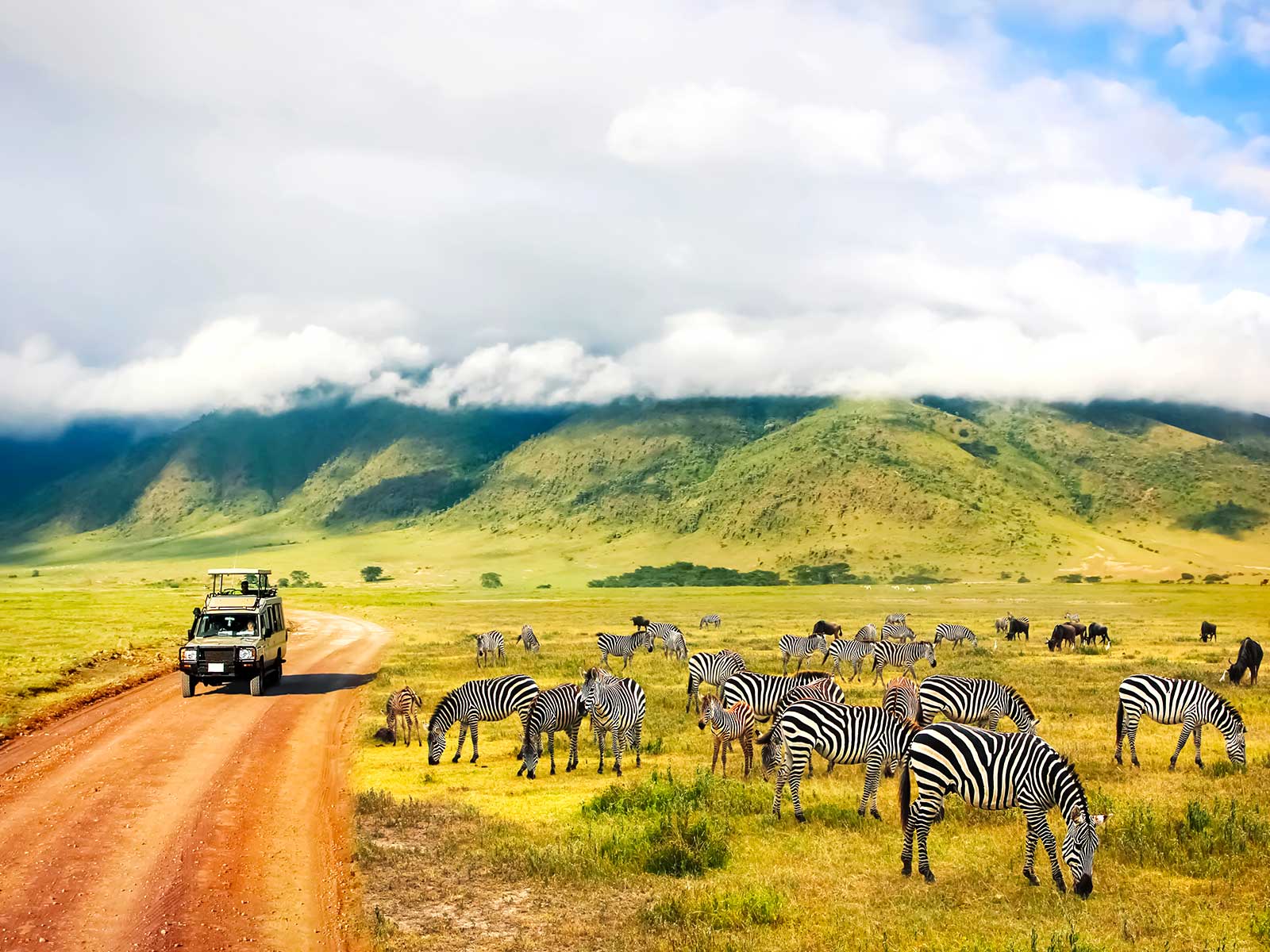
Consider extending your trip with a wildlife safari in the iconic Serengeti National Park or exploring the unique ecosystem of the Ngorongoro Conservation Area. For relaxation and recovery, the pristine beaches and underwater wonders of Mafia Island or Pemba Island offer a perfect escape. You might even soothe those tired muscles at the nearby Kikuletwa Hotsprings before heading home.
Conclusion
Climbing Kilimanjaro is a profound and rewarding experience. By carefully considering the characteristics of each route – from the scenic Lemosho to the challenging Machame, the hut-based Marangu, the remote Rongai, the extensive Northern Circuit, or the formidable Umbwe – you can make an informed decision that sets you up for the best possible adventure. Choose wisely, prepare thoroughly, and get ready to stand on top of Africa.