
Is Tanzania Safe for Tourists? Essential Safety Tips for Travelers
Tanzania, a jewel of East Africa, beckons travelers with its breathtaking landscapes, abundant wildlife, and vibrant culture. From the vast plains of the Serengeti to the towering peak of Mount Kilimanjaro, it’s a dream destination for many. A common and valid question for any prospective visitor, however, is:Is Tanzania safe for tourists?
Overall Safety Assessment: A Generally Safe Destination
The short answer is yes, Tanzania is generally safe for tourists. Millions visit each year without incident, enjoying world-class safaris, pristine beaches, and rich cultural experiences. Like any popular travel destination, it has its share of petty crime, particularly in urban areas, but violent crime against tourists is rare. The government is committed to protecting its tourism industry, implementing measures to ensure visitor safety.
Most of your time as a tourist will likely be spent in well-managed national parks and reserves, or on guided tours, which inherently offer a higher level of security. Awareness, common sense, and following local advice are your best defenses against potential issues.
Safety in National Parks & Safaris
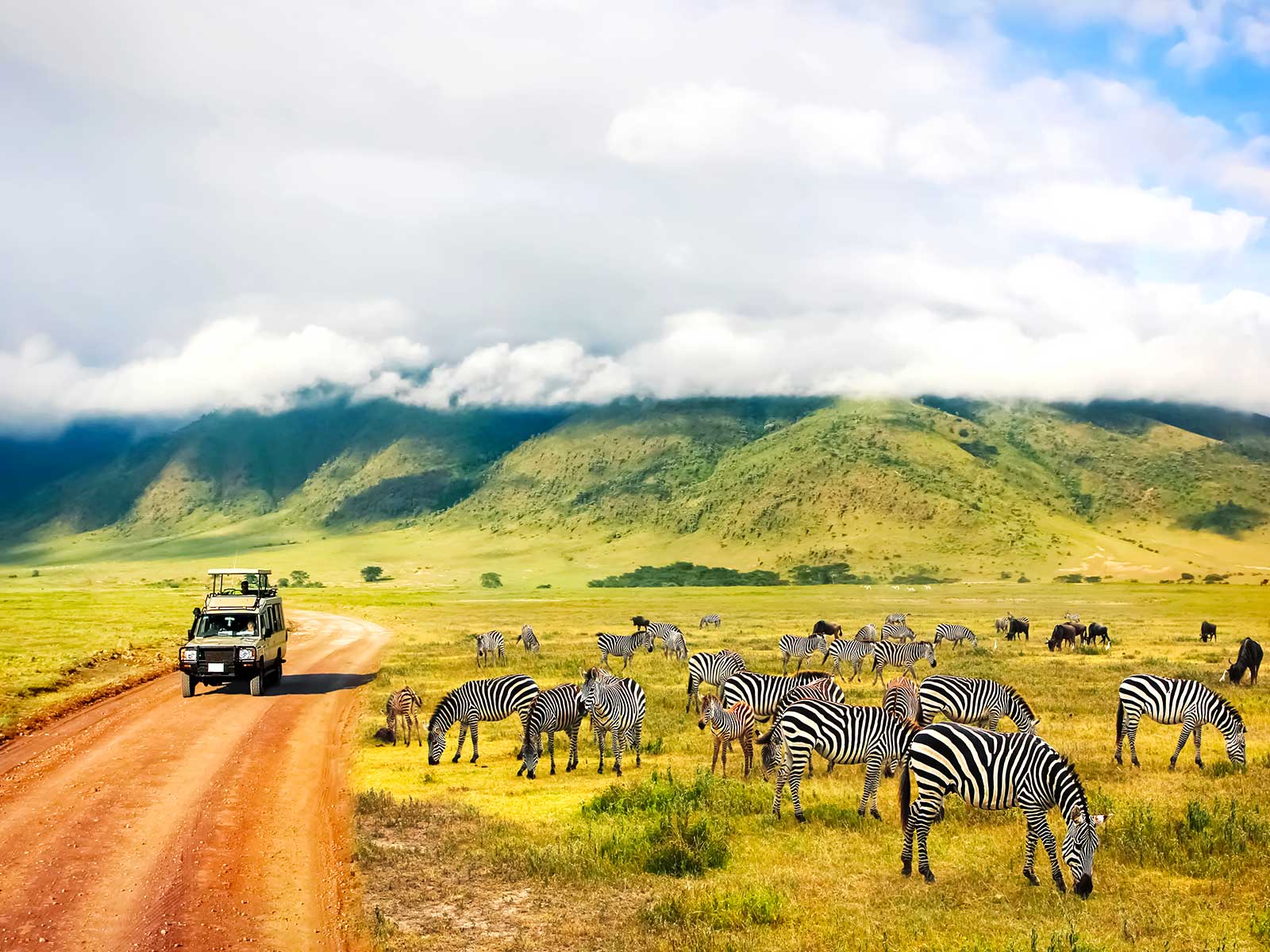
Safari adventures in places like Serengeti National Park,Ngorongoro Conservation Area,Ruaha National Park, or Katavi National Park are incredibly safe, primarily because you'll be with experienced guides and drivers. These professionals are highly trained in wildlife behavior and safety protocols. Your biggest risks here are often related to the wildlife itself, but guides know how to keep you at a safe distance.
- Listen to your guide:Always follow their instructions regarding animal encounters, getting out of vehicles, and camp rules.
- Stay in designated areas:Do not wander off alone, especially at night, in unfenced camps.
- Secure your belongings:Keep valuables out of sight, even in your safari vehicle or tent.
Safety in Cities & Towns
Urban centers like Dar Es Salaam or Arusha require a bit more vigilance. Petty crime, such as pickpocketing and bag snatching, can occur, particularly in crowded markets or bus stations. Violent crime is less common but not unheard of, especially at night.
- Be discreet:Avoid openly displaying expensive jewelry, cameras, or large amounts of cash.
- Use reputable transport:Opt for registered taxis or ride-sharing apps, especially after dark. Ask your hotel for recommendations.
- Stay aware of your surroundings:Avoid walking alone at night, particularly in poorly lit or unfamiliar areas.
- Guard your phone:Phone snatching from pedestrians or open vehicle windows is a known issue.
"A common misconception is that all of Africa is dangerous. Tanzania, like many other African nations, is overwhelmingly welcoming and peaceful for tourists, especially when basic travel precautions are observed."
Health & Medical Safety
Health is a significant aspect of safety when traveling to Tanzania. Malaria, dengue fever, and other mosquito-borne diseases are present, along with concerns about food and water safety.
- Consult your doctor:Before your trip, discuss necessary vaccinations (e.g., Yellow Fever, Hepatitis A & B, Typhoid) and malaria prophylaxis.
- Mosquito protection:Use repellent containing DEET, wear long sleeves and pants at dawn/dusk, and sleep under mosquito nets.
- Food and Water:Drink only bottled or filtered water. Be cautious with street food; stick to well-cooked meals from reputable establishments. "Boil it, peel it, cook it, or forget it" is a good mantra.
- Travel Insurance:Absolutely essential. Ensure it covers emergency medical evacuation, as medical facilities outside major cities can be limited.
Specific Travel Scenarios
Solo Female Travelers
Tanzania can be a rewarding destination for solo female travelers, but it requires extra caution and cultural awareness. Harassment is generally mild but can be persistent, especially in urban areas.
- Dress modestly:Especially outside of beach resorts. Covering shoulders and knees shows respect for local customs.
- Avoid isolated areas:Do not walk alone at night or in deserted places.
- Be assertive:A firm "no" is usually understood.
- Trust your instincts:If a situation feels uncomfortable, remove yourself from it.
LGBTQ+ Travelers
Tanzania has conservative laws regarding homosexuality, and same-sex relationships are illegal. While tourists generally face less scrutiny than locals, discretion is highly advisable.
- Exercise extreme caution:Public displays of affection, regardless of orientation, are generally frowned upon, but particularly so for same-sex couples.
- Be discreet:Avoid discussing your sexual orientation openly with strangers.
- Choose accommodations carefully:Opt for international hotel chains or reputable tour operators who are more accustomed to diverse clientele.
Children & Families
Tanzania is a fantastic destination for families, offering incredible educational and adventurous experiences. Safari lodges and tour operators are often well-equipped to cater to families.
- Plan for comfort:Long safari drives can be tiring; choose age-appropriate itineraries.
- Health precautions:Be extra diligent with vaccinations, malaria prevention, and sun protection for children.
- Supervision:Never leave children unsupervised, especially near wildlife or water bodies like Lake Victoria, or in busy urban areas like the Village Museum in Dar es Salaam.
General Safety Tips for a Smooth Trip
- Research and Plan Ahead:Understand the areas you'll be visiting and choose reputable tour operators and accommodations.
- Keep Valuables Secure:Use hotel safes, carry minimal cash, and distribute your money. Consider a money belt.
- Stay Connected:Have a local SIM card or ensure your phone works internationally for emergencies. Share your itinerary with someone back home.
- Be Wary of Scams:Be cautious of overly friendly strangers offering unsolicited help or "special deals."
- Respect Local Laws and Customs:Ignorance is not an excuse. Familiarize yourself with local etiquette, especially regarding dress and public behavior.
- Travel Insurance:Cannot stress this enough. Ensure it covers medical emergencies, evacuation, trip cancellations, and lost luggage.
- Copy Important Documents:Keep digital and physical copies of your passport, visa, and insurance details separate from the originals.
- Learn Basic Swahili Phrases:"Jambo" (hello), "Asante" (thank you), "Pole pole" (slowly slowly) can go a long way in building rapport and navigating.
- Mind Your Belongings on Beaches:While stunning, areas like Mafia Island or Pemba Island(home to resorts like The Manta Resort) can still see petty theft if items are left unattended.
Cultural Sensitivity and Respect
Beyond personal safety, demonstrating cultural respect is vital for a positive experience. Tanzania is a predominantly conservative country with a strong sense of community and tradition.
- Dress Code:Modest attire is appreciated, especially outside of beach resorts. For women, this means covering shoulders and knees.
- Photography:Always ask permission before photographing people, especially children. Some people may expect a small tip.
- Bargaining:It's common in markets (like near the Cultural Heritage Centre), but do so respectfully and good-naturedly.
- Left Hand:Avoid using your left hand for eating, greeting, or passing items, as it's traditionally considered unclean.
Emergency Contacts
It's always wise to have emergency numbers readily available:
- Police:112
- Ambulance:112
- Fire:112
- Your Embassy/Consulate:Keep their local contact information handy.
- Tour Operator/Lodge:Ensure you have their 24-hour emergency contact.
Enjoy Your Tanzanian Adventure!
Tanzania offers an unparalleled travel experience, rich in natural beauty and vibrant culture. While safety should always be a consideration, with proper planning, awareness, and adherence to local advice, you can confidently embark on an incredible journey. Focus on the wonder of the wildlife, the warmth of the people, and the majesty of the landscapes – from the vast plains to the tranquil Kikuletwa Hotsprings– and create memories that will last a lifetime.