
Getting Around Tanzania: Transportation Options for Tourists
Navigating Tanzania is an adventure in itself, offering a diverse array of transportation options to suit every budget, itinerary, and desired experience. From soaring over vast plains to traversing bustling city streets, understanding these choices is key to unlocking the full potential of your Tanzanian journey. This guide will help you plan seamless travel across this magnificent East African nation.
Arriving in Tanzania: International Gateways
Most international visitors arrive in Tanzania via one of its major airports. The primary entry points are Julius Nyerere International Airport (DAR) in Dar Es Salaam, Kilimanjaro International Airport (JRO) near Arusha (serving Mount Kilimanjaro and safari circuits), and Abeid Amani Karume International Airport (ZNZ) on Zanzibar. From these hubs, you can connect to various domestic destinations or begin your ground adventure.
Exploring the Mainland: Air, Road, and Rail
Domestic Flights: Speed and Convenience
For covering vast distances quickly, domestic flights are often the preferred choice, especially for those on safari or with limited time. Regional airlines and charter companies offer scheduled flights connecting major cities and popular tourist destinations.
- Safari Circuit Flights:Small bush planes are invaluable for reaching remote airstrips within or near national parks like Serengeti National Park,Ruaha National Park,Katavi National Park, and the Ngorongoro Conservation Area. These flights offer incredible aerial views and save significant travel time compared to driving.
- Coastal and Island Connections:Flights also connect Dar Es Salaam and Arusha to Zanzibar,Mafia Island, and Pemba Island, making island escapes much more accessible.
While more expensive than ground transport, domestic flights maximize your time for game drives, relaxation, or climbing Mount Kilimanjaro.
Road Travel: The Heartbeat of Tanzania
Road travel offers a more immersive experience, allowing you to witness Tanzania's diverse landscapes and vibrant local life up close. Options range from private safari vehicles to bustling public transport.
Safari Vehicles (4x4s)
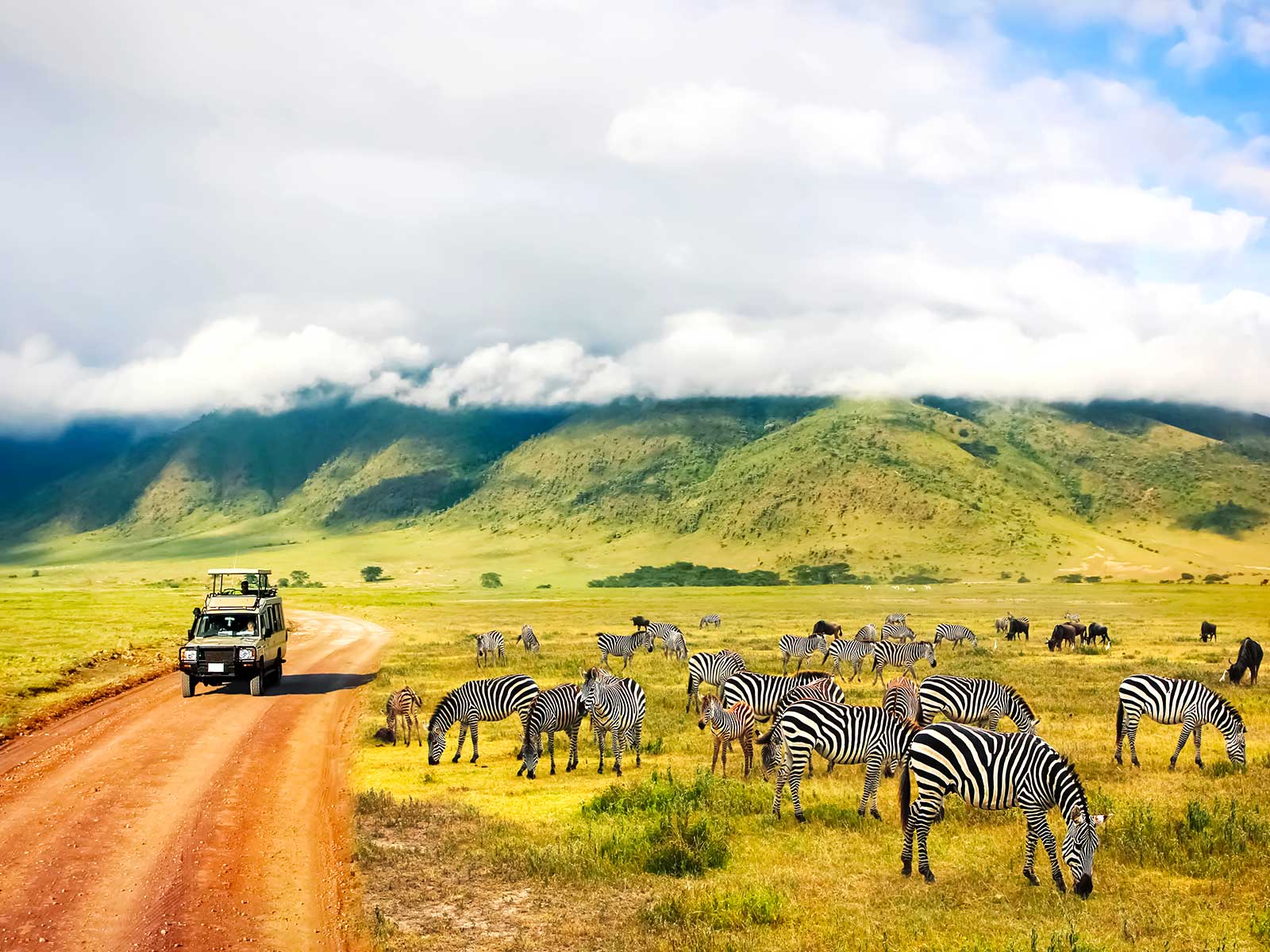
For safaris, a sturdy 4x4 vehicle is essential. Most safari packages include a dedicated vehicle with an experienced driver-guide. These custom-built vehicles are designed to handle rough terrain and offer excellent viewing opportunities with pop-up roofs.
- Guided Safaris:The most common and recommended option. Your tour operator arranges the vehicle and a knowledgeable guide, ensuring a safe and informative journey through national parks like Serengeti National Park and the Ngorongoro Conservation Area.
- Self-Drive Safaris:While possible, this is generally not recommended for first-time visitors or those unfamiliar with Tanzanian roads and wildlife regulations. It requires significant planning, a reliable vehicle, and excellent navigation skills.
Buses: Intercity and Long-Distance
Buses are the backbone of intercity travel in Tanzania, connecting major urban centers like Dar Es Salaam, Arusha, Mwanza (near Lake Victoria), and Dodoma. They are an economical way to travel long distances.
- Types:Options range from basic local buses to more comfortable express coaches. For longer journeys, it's advisable to choose reputable companies known for better maintenance and safety records.
- Experience:Bus travel offers a genuine local experience, complete with vibrant interactions and often stunning scenery, though journeys can be long and sometimes unpredictable.
Dala-dalas (Minibuses): Local & Lively
Dala-dalas are the ubiquitous local minibuses serving shorter routes within cities and towns, and between nearby villages. They are the cheapest form of public transport and provide an authentic, albeit crowded, experience.
Travel Tip:Dala-dalas can be overwhelming for first-timers due to their crowded nature and lack of fixed schedules. They are best used for short distances when you're feeling adventurous and flexible. You can often catch one to places like Kikuletwa Hotsprings from nearby towns.
Taxis and Ride-Sharing
Taxis are readily available in urban areas like Dar Es Salaam and Arusha. It's always best to negotiate the fare before starting your journey. Ride-sharing apps are also gaining popularity in larger cities, offering a convenient way to get around with upfront pricing.
Boda-bodas (Motorbike Taxis) and Bajajis (Tuk-tuks)
For short distances, especially in smaller towns or to navigate traffic in larger cities, boda-bodas and bajajis are common. Boda-bodas (motorbike taxis) are fast but carry higher safety risks. Bajajis (three-wheeled auto-rickshaws) are a safer alternative for quick, local trips.
- Safety First:Always ensure your boda-boda driver provides a helmet. For both, agree on the fare beforehand.
- Urban Exploration:These can be fun ways to visit local attractions like the Cultural Heritage Centre in Arusha or the Village Museum in Dar Es Salaam.
Rail Travel: A Scenic Journey
Tanzania has a railway network, primarily consisting of the TAZARA (Tanzania-Zambia Railway Authority) line and the Central Line. While not the fastest option, train travel can be a unique, leisurely way to see the country.
- TAZARA Line:Connects Dar Es Salaam with Kapiri Mposhi in Zambia, passing through diverse landscapes.
- Central Line:Links Dar Es Salaam to Kigoma on Lake Tanganyika and Mwanza on Lake Victoria.
Train journeys are often long (days, not hours) and subject to delays, but they offer an authentic local experience and a chance to interact with Tanzanians.
Island Escapes: Water Transport
Tanzania's coastline and islands offer beautiful opportunities for water travel, primarily via ferries and traditional dhows.
- Ferries to Zanzibar:High-speed ferries are the most popular way to travel between Dar Es Salaam and Zanzibar. Several companies operate daily services, offering both economy and VIP classes.
- Island Hopping:Ferries and smaller boats also connect Zanzibar to Pemba Island and Mafia Island, home to unique resorts like The Manta Resort.
- Lake Ferries:On vast inland lakes like Lake Victoria, ferries connect various towns and communities, often serving as vital transport links for locals and a scenic option for tourists.
- Dhows:Traditional sailing vessels, dhows are primarily used for short excursions, snorkeling trips, or leisurely cruises, offering a taste of historical seafaring.
Essential Tips for Getting Around Tanzania
- Book Ahead:Especially for domestic flights and popular safari tours, booking in advance is crucial, particularly during peak season.
- Flexibility is Key:While planning is important, travel in Tanzania can sometimes be unpredictable. Embrace delays and unexpected detours as part of the adventure.
- Safety First:For local transport, be aware of your surroundings. Avoid traveling alone at night in unfamiliar areas. If using boda-bodas, always wear a helmet.
- Bargain Respectfully:For taxis, bajajis, and sometimes even dala-dalas (if you're unsure of the local fare), negotiate the price before you start your journey.
- Carry Small Bills:Many local transport options operate on cash, and change for large denominations can be scarce.
- Stay Hydrated:Especially during long journeys, keep plenty of water with you.
Tanzania offers a wealth of experiences, and how you choose to get around will significantly shape your journey. Whether you opt for the efficiency of a plane, the rugged adventure of a safari vehicle, or the vibrant pulse of local transport, each mode provides a unique window into the heart of this incredible country. Plan wisely, but be ready to embrace the unexpected – that's often where the best memories are made.