
Beyond the Big Five: Unique Wildlife Encounters in Tanzania
Tanzania is globally renowned for its iconic Big Five safaris, drawing countless adventurers to witness lions, leopards, elephants, rhinos, and buffalo in their natural habitats. However, this magnificent East African nation offers a spectacular array of wildlife experiences that extend far beyond these celebrated creatures. Venture deeper, and you'll discover a world of rare, elusive, and utterly captivating animals, offering truly unique encounters for the discerning traveler.
Why Look Beyond the Big Five?
While the thrill of spotting a lion or a rhino is undeniable, focusing solely on the Big Five overlooks the incredible biodiversity that makes Tanzania a true natural paradise. From painted wolves to graceful antelopes and the gentle giants of the ocean, exploring these less-trodden paths reveals a richer, more nuanced understanding of the country's ecosystems. It also often leads you to more remote and pristine wilderness areas, enhancing the sense of discovery and connection with nature.
Uncommon Mammals: A Safari of Surprises
The Elusive Painted Wolf (African Wild Dog)
Often considered one of Africa's most endangered and captivating predators, the African Wild Dog, or Painted Wolf, is a true spectacle to behold. Known for their intricate coat patterns and highly social pack dynamics, these canids are incredibly efficient hunters. Spotting a pack on the move or interacting with each other is a rare and thrilling experience.
- Where to Find Them:Ruaha National Park is arguably one of the best places in East Africa to see wild dogs, boasting a significant and healthy population.Katavi National Park also offers excellent opportunities, particularly due to its remote and untouched wilderness.
The Graceful Gerenuk (Giraffe Gazelle)
With its exceptionally long neck and delicate features, the Gerenuk, meaning "giraffe-necked" in Somali, is a fascinating antelope. Unlike most other antelopes, the Gerenuk often stands on its hind legs to reach higher leaves and branches, a distinctive browsing habit that makes it a memorable sight.
- Where to Find Them:While not abundant, Gerenuks can sometimes be sighted in the northern parks, particularly in the drier bushlands and acacia woodlands of areas adjacent to Serengeti National Park and Tarangire National Park.
Magnificent Antelopes: Sable and Roan
Beyond the common impalas and wildebeest, Tanzania is home to some truly majestic antelopes. The Sable Antelope, with its impressive scimitar-shaped horns and striking black and white markings, is a sight of pure elegance. The Roan Antelope, equally large and robust, possesses a distinctive reddish-brown coat and a prominent facial mask.
- Where to Find Them:Ruaha National Park is a prime location for both Sable and Roan Antelopes, thriving in its diverse habitats. Selous Game Reserve also offers good chances.
The Enigmatic Lesser Kudu
A smaller, more elusive cousin of the Greater Kudu, the Lesser Kudu is a master of camouflage. With its spiraling horns, striking white stripes, and reddish-brown coat, it blends seamlessly into the dense bush. Spotting one requires patience and a keen eye, making the reward even greater.
- Where to Find Them:These shy creatures prefer thickets and dense woodlands, often found in parks like Tarangire, Ruaha, and sometimes in the more remote areas of Serengeti National Park.
Tree-Climbing Lions
While lions are part of the Big Five, the behavior of tree-climbing lions offers a unique twist. These magnificent predators are not typically known for their arboreal skills, making this particular habit a captivating spectacle.
- Where to Find Them:The famous tree-climbing lions are most commonly associated with Lake Manyara National Park. However, they are also occasionally spotted in the Ishasha sector of Serengeti National Park, particularly during the hotter parts of the day when seeking respite from insects or the sun.
Primates Beyond Baboons
Tanzania’s Western Circuit is world-renowned for its primate populations.
- Chimpanzees:For an unforgettable, intimate wildlife encounter, trekking to see chimpanzees in their natural habitat is unparalleled. The opportunity to observe these intelligent primates up close, witness their complex social structures, and hear their calls echoing through the forest is truly special.
- Where to Find Them:Mahale Mountains National Park and Gombe Stream National Park, both situated on the shores of Lake Tanganyika, are the premier destinations for chimpanzee trekking in Tanzania.
- Colobus Monkeys:Look out for the striking Black and White Colobus monkeys, with their long, flowing tails, often seen gracefully leaping through the canopy in various forest reserves and national parks.
Avian Wonders: A Birder's Paradise
Tanzania is a dream destination for birdwatchers, boasting over 1,100 species, including numerous endemics and migratory visitors. The diversity of habitats, from wetlands and forests to open savannas, supports an incredible array of feathered friends.
- Key Species:Keep an eye out for vibrant species like the Lilac-breasted Roller, various hornbills, colourful bee-eaters, and raptors such as martial eagles. Endemic species like Fischer's Lovebird and the Rufous-tailed Weaver are particularly special finds.
- Prime Birding Locations:Virtually every national park offers excellent birding.Lake Victoria and its surrounding areas are fantastic for waterbirds, while Ruaha National Park and Serengeti National Park provide a vast range of savanna and woodland species.
Aquatic & Marine Life: Beneath the Waves
Tanzania’s Indian Ocean coastline and islands offer a completely different spectrum of unique wildlife encounters, far removed from the savanna plains.
Whale Sharks: Gentle Ocean Giants
Swimming alongside the world's largest fish, the majestic Whale Shark, is an awe-inspiring experience. These filter-feeding giants are completely harmless and offer an incredible opportunity for respectful interaction.
- Where to Find Them:Mafia Island is one of the most reliable places globally to swim with whale sharks, typically between October and March.Pemba Island also offers seasonal sightings.
Dolphins and Sea Turtles
The warm waters around Tanzania's islands are home to several species of dolphins, including bottlenose and humpback dolphins, often seen playing in pods. The coastal areas are also vital breeding grounds for various species of sea turtles, including Green, Hawksbill, and Leatherback turtles.
- Where to Find Them:Dolphin tours are popular around Zanzibar and Mafia Island. Turtle nesting and hatching can be witnessed on various protected beaches along the coast and islands, with Mafia Island having a particularly strong conservation program.
Hippos and Crocodiles
While common, observing large pods of hippos in their aquatic habitats and massive Nile crocodiles basking on riverbanks or hunting offers raw, primal wildlife viewing. Their sheer power and presence are captivating.
- Where to Find Them:Virtually any major water body in the national parks, including the Rufiji River in Selous, the Mara River in Serengeti National Park, and the many lakes and rivers of Ruaha National Park and Katavi National Park.Lake Victoria, Africa's largest lake, also hosts significant populations.
Expert Tip:For truly unique encounters, consider visiting during the shoulder seasons. While weather might be less predictable, there are fewer crowds, and wildlife behavior can be more varied and natural.
Nocturnal Encounters: The Night's Hidden Gems
As the sun sets, a different world awakens. Night drives (where permitted) offer a chance to spot nocturnal creatures rarely seen during the day.
- What to Look For:Keep an eye out for elusive civets, genets, bushbabies (galagos), porcupines, and even the rare aardvark. The glowing eyes in the darkness add an extra layer of excitement to these unique safaris.
Responsible Tourism and Conservation
When seeking out these unique encounters, it’s crucial to do so responsibly. Support tour operators committed to ethical wildlife viewing practices and conservation. Many of these less common species are vulnerable, and your visit can directly contribute to their protection and the sustainability of their habitats. Choosing eco-friendly lodges and guides who prioritize animal welfare ensures that these incredible creatures can thrive for generations to come.
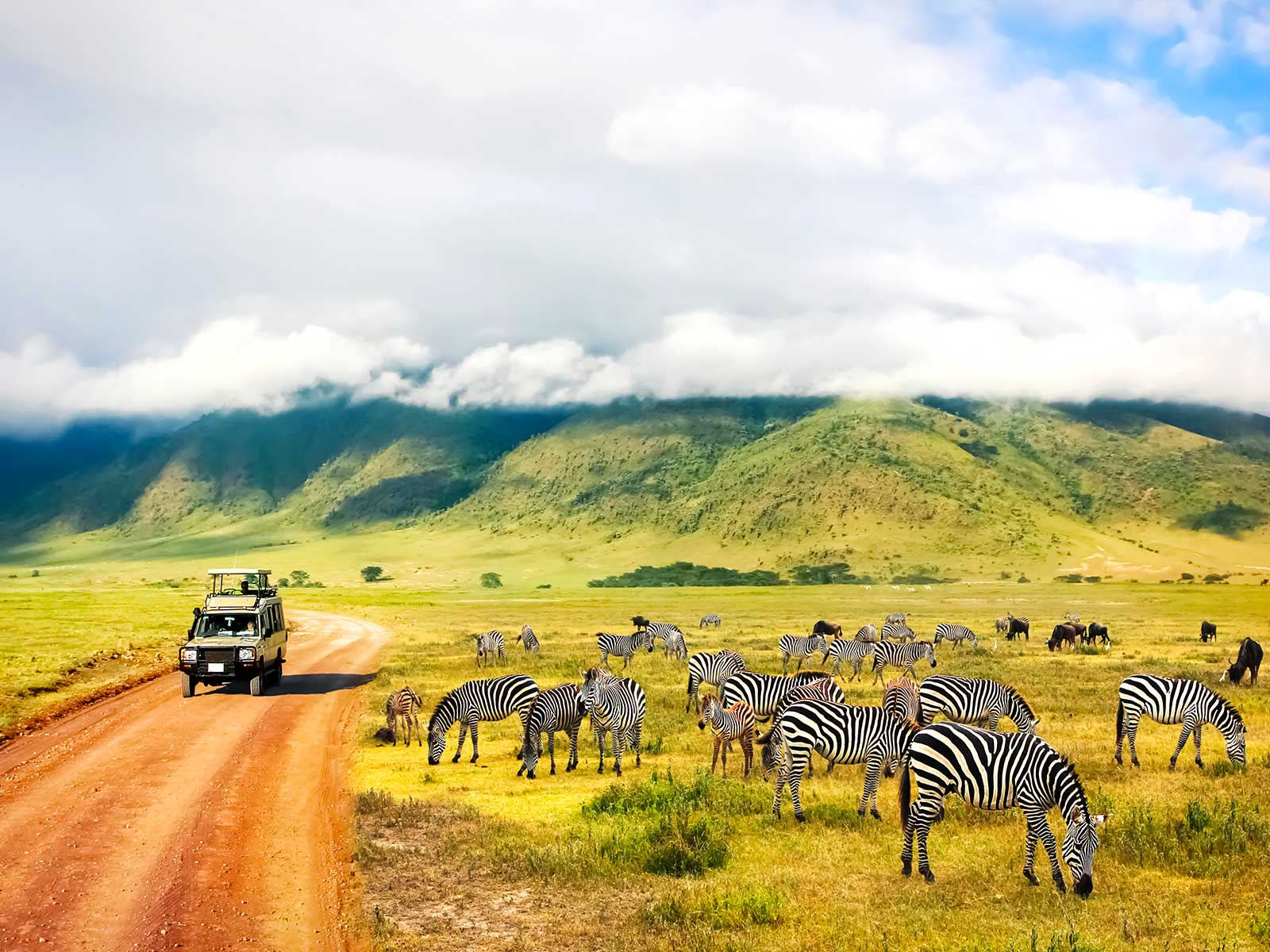
Did You Know?Tanzania is home to the largest terrestrial mammal migration in the world, the Great Migration, which, while focusing on wildebeest and zebra, also draws numerous predators providing unique hunting spectacles. While famous, it's just one facet of Tanzania's incredible biodiversity.
Planning Your Unique Tanzanian Adventure
To truly go beyond the Big Five, consider these tips:
- Choose Diverse Parks:Combine well-known parks like Serengeti National Park and Ngorongoro Conservation Area with lesser-visited gems such as Ruaha National Park,Katavi National Park, or the Western Circuit parks for chimpanzees.
- Allocate Enough Time:Unique sightings often require patience. A longer safari increases your chances of encountering these elusive animals.
- Engage Expert Guides:Experienced local guides possess an intimate knowledge of animal behavior and habitats, significantly increasing your chances of spotting rare species.
- Consider Marine Extensions:Don't forget the coast! Combining a safari with a visit to Mafia Island or Pemba Island offers a fantastic land-to-sea wildlife experience.
Tanzania’s wildlife tapestry is rich and varied, offering endless opportunities for discovery. By looking beyond the Big Five, you unlock a deeper, more profound appreciation for its natural wonders, creating memories that are truly one-of-a-kind. From the vast plains to the depths of the Indian Ocean, a unique wildlife adventure awaits.