
Best Time to Visit Tanzania for Safari, Beaches & Kilimanjaro
Tanzania, a land of unparalleled natural beauty and diverse experiences, beckons travelers with its iconic wildlife safaris, pristine Indian Ocean beaches, and the majestic peak of Mount Kilimanjaro. Understanding the country's distinct seasons is key to planning your perfect adventure, ensuring you witness the Great Migration, conquer Africa's highest mountain, or simply relax on sun-drenched sands at the optimal moment.
Understanding Tanzania's Seasons
Tanzania generally experiences two main seasons: the dry season and the wet season, each offering unique advantages and challenges for different types of travel. The climate varies across its vast landscapes, from the humid coast to the cooler highlands and the arid plains of the safari parks.
- Dry Season (June - October):Characterized by minimal rainfall, cooler temperatures (especially at night), and clear skies. This is generally considered peak tourist season.
- Short Rains (November - December):A brief period of intermittent rainfall, often occurring in the late afternoon. Landscapes begin to green up.
- Dry Spell (January - February):A mini-dry season separating the short and long rains, offering good conditions across the country.
- Long Rains (March - May):The heaviest rainfall period, with consistent showers, particularly in April and May. This is often considered the 'green season' or off-peak.
Safari: When to Witness the Wild
For many, a Tanzanian safari is a once-in-a-lifetime dream. The timing of your visit significantly impacts wildlife viewing, especially if you hope to witness the spectacular Great Migration.
The Dry Season (June - October): Peak Safari
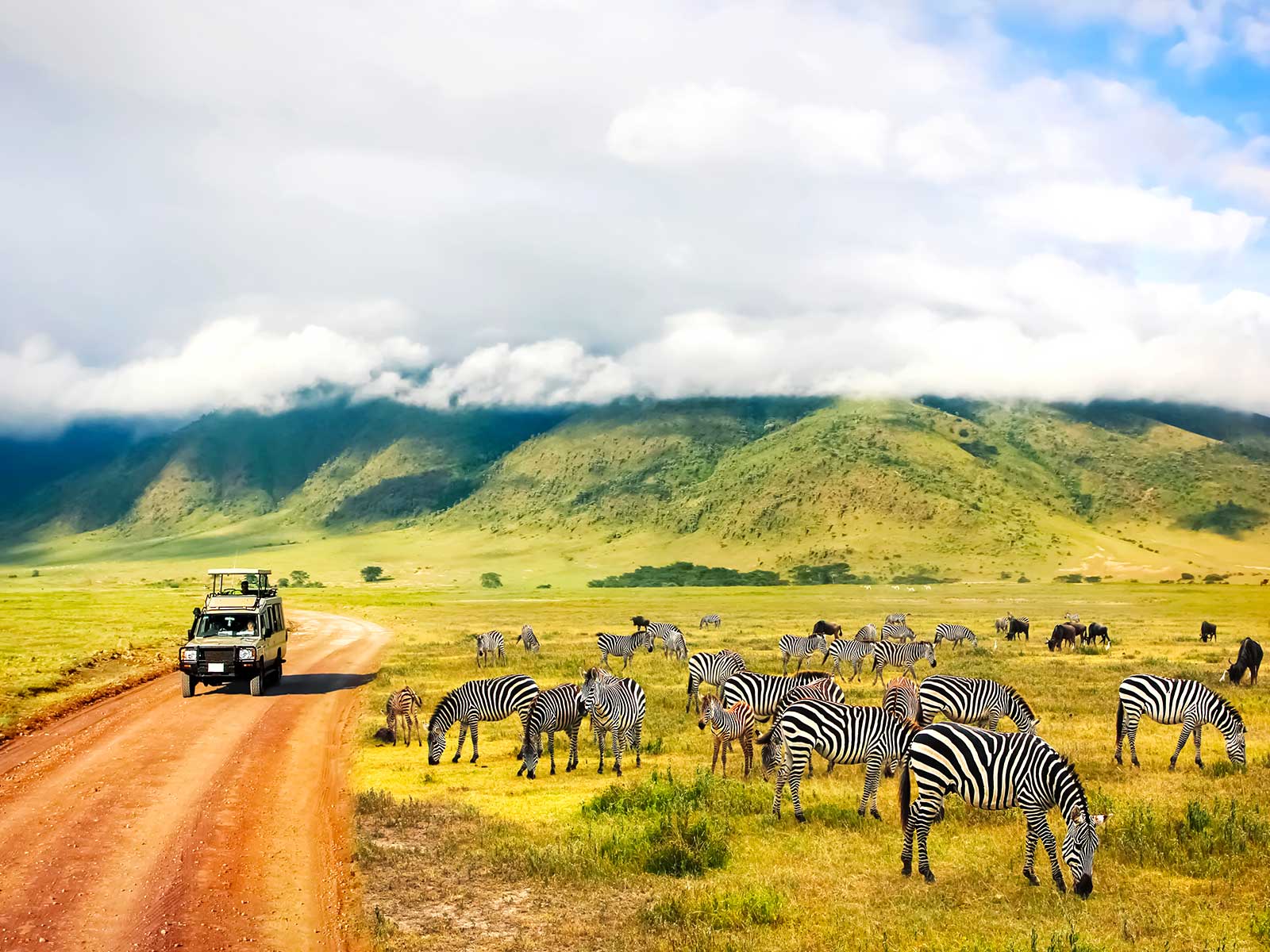
This is widely considered the best time for wildlife viewing across most of Tanzania's national parks. Water sources become scarce, forcing animals to congregate around permanent rivers and waterholes, making them easier to spot. Vegetation is sparser, further enhancing visibility.
- The Great Migration:During these months, the wildebeest herds of the Serengeti National Park are often found in the Western Corridor (June-July) or moving north towards the Maasai Mara (August-September), culminating in dramatic river crossings. By October, they typically move south again.
- Northern Circuit:Parks like Ngorongoro Conservation Area, Tarangire, and Lake Manyara offer excellent year-round viewing, but the dry season brings incredible concentrations of animals. Tarangire, in particular, becomes a haven for elephants.
- Southern & Western Parks:Remote parks like Ruaha National Park and Katavi National Park are also fantastic during the dry season, with exceptional predator-prey interactions around shrinking water sources.
Tip:While the dry season offers incredible wildlife density, it's also the busiest time. Book accommodations and flights well in advance, especially for prime Great Migration viewing.
The Short Rains (November - December): Shoulder Season
This period offers a refreshing change. The landscape transforms into a lush, green paradise, and while there are daily showers, they are usually short and localized. Wildlife viewing remains excellent, especially in the northern parks.
- Fewer Crowds:You'll encounter fewer tourists compared to peak dry season.
- Migratory Birds:A fantastic time for birdwatching as migratory species arrive.
- Photography:The green landscapes and dramatic skies provide stunning photographic opportunities.
The Green Season / Long Rains (March - May): Off-Peak
While often overlooked, the long rains offer a unique safari experience for intrepid travelers.
- Calving Season:February to March in the Southern Serengeti National Park is the calving season for wildebeest, a truly heartwarming and dramatic spectacle as thousands of newborns enter the world, attracting predators.
- Birdwatcher's Paradise:The absolute best time for birdwatching, with resident and migratory species in full breeding plumage.
- Lush Landscapes:The parks are vibrant green and beautiful.
- Potential Downsides:Heavy rains can make some roads challenging to navigate, and some smaller camps may close. Visibility for spotting distant animals can be reduced by thick vegetation.
Kilimanjaro: Conquering Africa's Highest Peak
Climbing Mount Kilimanjaro is a challenging but rewarding endeavor. Weather plays a crucial role in the success and enjoyment of your trek.
The best times to climb are during Tanzania's two dry seasons:
- January - March:Generally colder on the summit but offers clear skies and good visibility.
- June - October:Drier conditions, which are popular but can lead to more crowded trails.
Avoid the heavy rains of April-May and the short rains of November-December if possible, as trails can be muddy and slippery, and visibility is often poor. However, climbing is possible year-round, and less popular months can offer a more solitary experience for those prepared for wet weather.
Beach Escapes: Sun, Sand & Serenity
Tanzania's Indian Ocean coastline and islands, including Zanzibar,Mafia Island, and Pemba Island, offer idyllic beach holidays. The best time for beach activities largely aligns with the dry seasons.
- June - October:This is the ideal time for beach holidays. Expect sunny skies, pleasant temperatures, and calm seas perfect for swimming, snorkeling, and diving.
- January - February:Another excellent period, offering warm, dry weather before the long rains begin.
- Whale Sharks:For those hoping to swim with whale sharks off Mafia Island, the season typically runs from October to March.
The long rainy season (April-May) is generally not recommended for beach holidays, as heavy downpours can occur daily, affecting water clarity for snorkeling/diving and making beach relaxation less enjoyable. Some resorts may also close during this period.
Other Experiences & Considerations
Birdwatching
While good year-round, the green season (November - April) is exceptional for birdwatching, with migratory species swelling the resident populations. The landscapes are lush, and many species are in breeding plumage.
Cultural Experiences
Tanzania's rich cultural heritage can be explored year-round. Visit the Cultural Heritage Centre near Arusha, the Village Museum in Dar Es Salaam, or immerse yourself in local life at any time. The Kikuletwa Hotsprings offer a refreshing dip no matter the season.
Photography
The dry season offers clear light and dramatic wildlife action. The green season, however, provides incredibly vibrant landscapes, dramatic storm clouds, and beautiful soft light, perfect for landscape and portrait photography.
Lake Victoria
Visiting Lake Victoria, Africa's largest lake, is a year-round activity, offering fishing, cultural interactions, and birdwatching.
Choosing Your Ideal Time: A Quick Guide
To help you decide, here's a summary based on your priorities:
- For prime wildlife viewing and the Great Migration river crossings:July - October (Dry Season)
- For calving season and exceptional birdwatching:January - March (Short dry spell / early Long Rains)
- For the fewest crowds and lush landscapes on safari:November - December (Short Rains) or March - May (Long Rains)
- For climbing Mount Kilimanjaro:January - March or June - October
- For a perfect beach holiday:June - October or January - February
- For swimming with whale sharks off Mafia Island:October - March
- For budget-conscious travelers:March - May (Green Season) generally offers lower rates and fewer tourists.
Ultimately, Tanzania is a phenomenal destination throughout the year, with each season presenting its own unique charm and opportunities. By aligning your travel dates with your priorities, you can ensure a truly unforgettable Tanzanian adventure.