
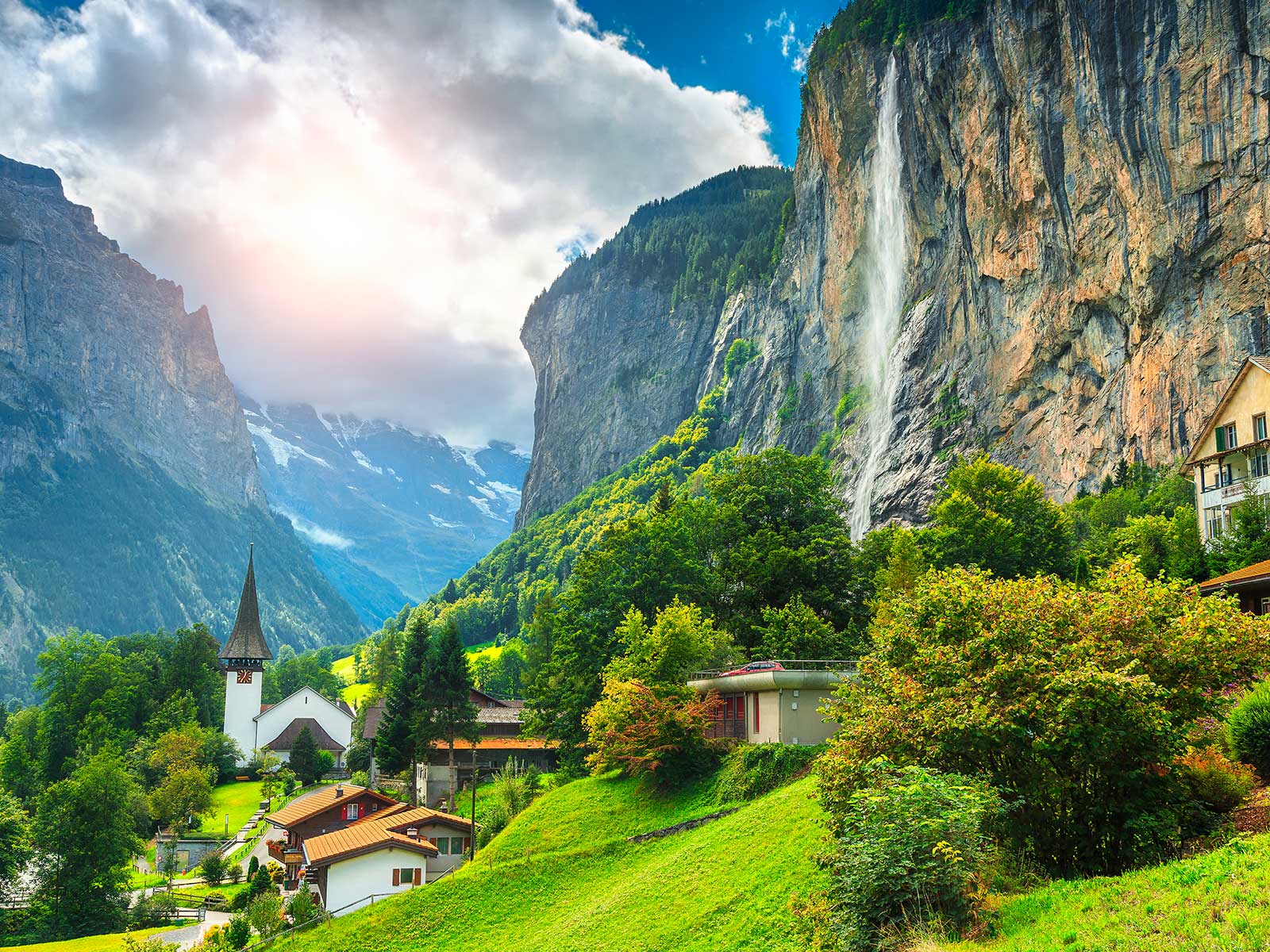
Understanding Swiss Culture: Customs, Etiquette & Local Insights
Switzerland, a land of breathtaking landscapes and pristine cities, offers an experience unlike any other. To truly appreciate its beauty and richness, understanding Swiss culture, its customs, and etiquette is paramount. This guide will help you navigate local interactions and traditions, ensuring a respectful and memorable journey.
Core Swiss Values & General Demeanor
At the heart of Swiss culture lies a deep appreciation for order, precision, and respect. These values are reflected in nearly every aspect of daily life, from meticulously maintained public spaces to efficient services.
Punctuality is Paramount
Time is highly valued in Switzerland. Whether it's a business meeting, a dinner invitation, or catching a train, being on time is not just good manners, it's expected. Arriving late without prior notification is considered disrespectful. Swiss public transport, renowned globally for its efficiency, operates with remarkable precision, so plan your journeys accordingly.
Order, Cleanliness & Respect for Rules
You'll notice an exceptional level of cleanliness and order throughout the country. Littering is rare and frowned upon. Swiss society thrives on clear rules and regulations, which are generally adhered to by everyone. This respect for order extends to public spaces, queuing, and even noise levels, particularly during designated quiet hours.
Reserve & Privacy
Swiss people can initially appear reserved, especially in urban areas like Zürich or Bern. They value their personal space and privacy. While friendly, they may not engage in small talk as readily as people in other cultures. A warm, polite demeanor is always appreciated, but avoid overly boisterous behavior or prying personal questions.
Multilingualism: A Cultural Tapestry
Switzerland boasts four official languages: German, French, Italian, and Romansh. This linguistic diversity significantly shapes the country's cultural landscape. While English is widely spoken in tourist areas, especially in cities like Lucerne or Interlaken, making an effort to learn a few phrases in the local language of the region you're visiting is a sign of respect and can greatly enhance your experience.
Social Etiquette & Interactions
Navigating social situations in Switzerland is straightforward once you understand a few key customs.
Greetings & Farewells
When meeting someone for the first time, a firm handshake is the standard greeting, accompanied by direct eye contact. Among friends and family, three kisses on alternating cheeks (starting with the right) are common in French and Italian-speaking regions. For verbal greetings, use "Grüezi" (German Swiss), "Bonjour" (French Swiss), or "Buon Giorno" (Italian Swiss). Always offer a polite "Adieu" or "Auf Wiedersehen" when departing.
Dining Etiquette
- Table Manners:Keep both hands visible above the table, but don't rest your elbows on it. Wait for the host to say "En Guete!" (enjoy your meal) or "Bon appétit" before starting to eat.
- Toasting:If you're offered a toast, make eye contact with everyone at the table before and after clinking glasses.
- Paying the Bill:It's common for each person to pay for their own meal, or for one person to treat the group. Splitting the bill evenly is also acceptable.
- Tipping:Service charges are typically included in the bill, so tipping is not obligatory but appreciated for excellent service. A small amount, usually rounding up to the nearest franc or 5-10%, is customary.
Local Insight:When invited to a Swiss home, it’s polite to bring a small gift for the host, such as flowers, chocolates, or a bottle of wine. Remember to remove your shoes upon entering, unless told otherwise.
Public Conduct & Local Norms
Swiss public spaces reflect the country's emphasis on order and tranquility.
Public Transport & Quiet Hours
Public transport is efficient and generally quiet. People usually refrain from loud conversations or phone calls. Quiet hours are strictly observed, typically from 10 PM to 7 AM, and all day on Sundays. This means no loud music, DIY projects, or noisy activities that might disturb neighbors. Sundays are traditionally a day of rest, with most shops closed, offering a peaceful atmosphere perfect for enjoying nature, perhaps in the Lauterbrunnen Valley or around Lake Geneva.
Hiking & Outdoor Etiquette
With its stunning alpine landscapes, Switzerland is a hiker's paradise. When exploring trails near iconic sites like The Matterhorn or crossing the Charles Kuonen Suspension Bridge, adhere to marked paths, greet fellow hikers, and always practice "Leave No Trace" principles. Respect private property, designated nature reserves, and agricultural land. Keep noise to a minimum to preserve the tranquility of places like Valle Verzasca.
Regional Nuances: A Cultural Mosaic
Despite its small size, Switzerland's cultural landscape is wonderfully diverse, largely due to its linguistic regions.
German-speaking Switzerland
Encompassing cities like Zürich,Bern, and Lucerne, this region is known for its precision, efficiency, and a more direct communication style. Traditions often revolve around punctuality, order, and a strong sense of community. Here, you might also find the impressive The Rhine Falls.
French-speaking Switzerland (Romandie)
Including Geneva and Lausanne along Lake Geneva, this region has a distinct Romance influence. You might find a slightly more relaxed pace, a greater emphasis on culinary delights, and a more pronounced social etiquette in terms of greetings and interactions compared to their German-speaking counterparts.
Italian-speaking Switzerland (Ticino)
Centered around Lugano, this canton offers a Mediterranean flair. The pace of life can feel more leisurely, with a greater emphasis on family, food, and enjoying the outdoors. The architecture and lifestyle here often resemble that of northern Italy.
Romansh-speaking Switzerland (Grisons)
While a minority, the Romansh language and culture persist in the eastern canton of Graubünden, home to places like St. Moritz. Here, you'll encounter a rich tapestry of alpine traditions, folk music, and unique culinary specialties, often deeply rooted in agricultural heritage.
Practical Tips for Travelers
- Learn Basic Phrases:A simple "Grüezi" or "Bonjour" goes a long way.
- Observe and Adapt:Pay attention to local behavior and try to emulate it.
- Be Punctual:Always strive to be on time for appointments or meetings.
- Respect Quiet Hours:Especially during evenings and on Sundays.
- Embrace Efficiency:Appreciate the well-organized systems and services.
By understanding and respecting Swiss customs and etiquette, you'll not only avoid cultural missteps but also gain a deeper appreciation for this fascinating nation. Embrace the order, enjoy the pristine environment, and immerse yourself in the rich tapestry of Swiss culture for an truly unforgettable experience.