
The Ultimate Guide to Swiss Food: From Fondue to Rösti & Beyond
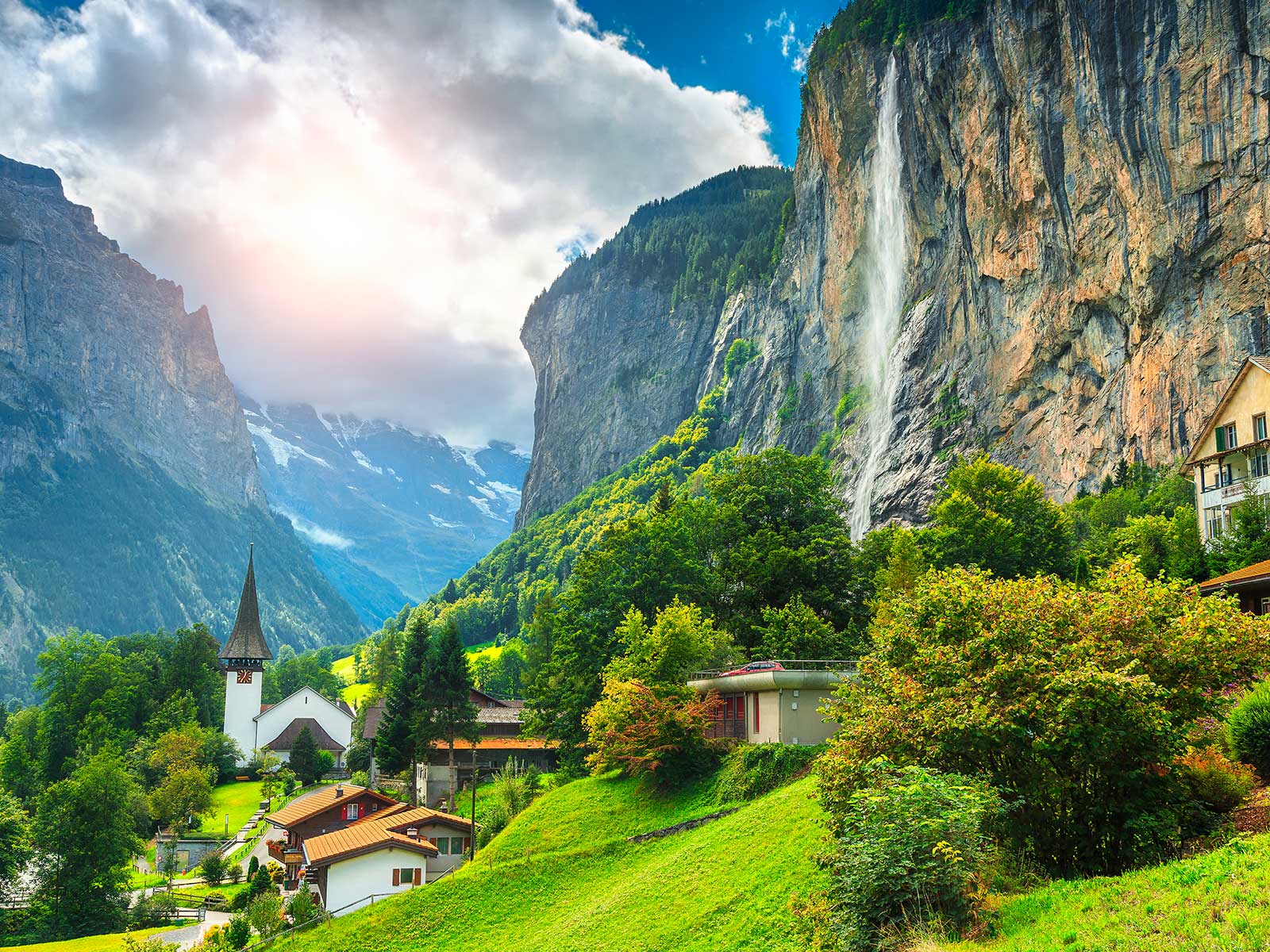
Switzerland, a land of breathtaking alpine vistas and pristine lakes, offers a culinary landscape as diverse and captivating as its scenery. Beyond the clichés of chocolate and cheese, Swiss cuisine is a hearty, comforting, and surprisingly varied tapestry of regional specialties, deeply rooted in its agricultural heritage and influenced by its German, French, and Italian-speaking neighbors.
Embark on a delicious journey through the traditional and modern flavors of Switzerland, discovering everything from iconic cheesy delights to robust meat dishes, delicate pastries, and unique beverages.
The Heart of Swiss Cuisine: Cheese, Glorious Cheese
Swiss cheese is world-renowned, and it forms the foundation of some of the country's most beloved dishes. Prepare for a rich, warm embrace of dairy goodness.
Fondue: A Communal Classic
Perhaps the most iconic Swiss dish, fondue is more than just melted cheese; it's a social ritual. Traditionally made with a blend of Emmental and Gruyère cheeses, white wine, garlic, and a touch of kirsch, it’s served in a ceramic pot (caquelon) over a small burner. Diners use long-stemmed forks to dip cubes of crusty bread into the bubbling mixture.
- Cheese Fondue:The classic, perfect for a cozy evening, especially after a day exploring places like Interlaken or the mountains around St. Moritz.
- Tomato Fondue:A tangy variation, popular in the French-speaking regions.
- Moitié-Moitié:A popular blend of Gruyère and Fribourg Vacherin.
Fondue Etiquette Tip:If you drop your bread into the fondue pot, tradition dictates you buy a round of drinks, or in some regions, kiss the person to your left!
Raclette: Scraped Perfection
Raclette offers another interactive and equally delicious cheese experience. A large wheel of Raclette cheese is traditionally heated over an open fire or under a special raclette grill, and the melted cheese is scraped directly onto plates. It's typically served with boiled potatoes, pickled gherkins, pearl onions, and various cured meats.
This dish originated in the canton of Valais but is enjoyed across Switzerland, offering a delightful contrast of warm, gooey cheese with crisp, tangy accompaniments.
Alplermagronen (Alpine Macaroni)
Often called "herdsman's macaroni," Alplermagronen is the Swiss answer to mac and cheese, but with a hearty alpine twist. This comforting dish combines pasta, potatoes, cream, cheese, and sometimes fried onions or bacon, often served with a side of apple sauce. It’s a staple for hikers and those seeking warmth after a day in the mountains.
Hearty Staples: Beyond the Cheese
While cheese is paramount, Swiss cuisine offers many other robust and satisfying dishes perfect for fueling adventures.
Rösti: The Golden Potato Pancake
Originating from the German-speaking cantons, Rösti is a simple yet incredibly satisfying dish made from grated, par-boiled or raw potatoes, pan-fried until golden brown and crispy. It can be a side dish to accompany sausages or meats, or a main course with fried eggs, bacon, or cheese. Its versatility makes it a beloved staple.
- Classic Rösti:Plain, crispy potato goodness.
- Zürcher Rösti:Often includes bacon and onions, popular in areas like Zürich.
- Berner Rösti:Frequently served with fried eggs and bacon, a hearty dish from the Bern region.
Zürcher Geschnetzeltes: Zürich-Style Ragout
A sophisticated yet comforting dish from Zürich, Zürcher Geschnetzeltes features thinly sliced veal sautéed with mushrooms, cream, and white wine. It is almost always served with a generous portion of Rösti, making for a truly iconic Swiss meal.
Berner Platte: The Bernese Platter
Originating from Bern, the Berner Platte is a grand feast of various meats and sausages. This hearty platter typically includes smoked pork, beef, bacon, tongue, sausage (like Berner Zungenwurst), sauerkraut, and green beans, all boiled together. It’s a testament to Switzerland's rich agricultural past and a dish designed for sharing.
Sausages & Cured Meats: Savory Delights
Swiss charcuterie is excellent, with regional specialties reflecting local traditions.
Cervelat: The National Sausage
Often called Switzerland's national sausage, Cervelat is a plump, smoked sausage made from beef, pork, and bacon. It's incredibly versatile: grilled, boiled, or even eaten raw. You'll find it at every barbecue and festival across the country.
Bündnerfleisch: Air-Dried Perfection
From the canton of Graubünden (home to places like St. Moritz), Bündnerfleisch is a lean, air-dried beef specialty. Seasoned with herbs and spices, it's cured for several weeks, resulting in a firm, flavorful meat that is typically served in wafer-thin slices as an appetizer or part of a platter.
Sweet Endings: Desserts & Chocolate
No culinary tour of Switzerland is complete without indulging in its world-famous sweets.
Swiss Chocolate: A Global Icon
Swiss chocolate is synonymous with quality and innovation. From milk chocolate perfected by pioneers like Lindt and Cailler to exquisite pralines and truffles, the country offers an unparalleled chocolate experience. Visit a chocolatier in Lucerne or Zürich to taste the difference, or explore a factory tour to learn about its rich history.
Meringue with Gruyère Double Cream
A deceptively simple yet utterly delightful dessert, meringue is light, crispy, and sweet. When paired with the rich, thick, and slightly nutty Gruyère double cream (Crème de la Gruyère), it becomes a truly heavenly experience, especially popular in the French-speaking regions.
Engadiner Nusstorte (Walnut Cake)
Hailing from the Engadine valley, near St. Moritz, this rich, sweet pastry features a shortcrust pastry filled with caramelized walnuts and cream. It's a dense, satisfying cake, perfect with a coffee or as an afternoon treat.
Swiss Beverages: From Alpine Wines to Refreshing Soft Drinks
Complement your meals with a selection of unique Swiss drinks.
Swiss Wine
While often overshadowed by its neighbors, Switzerland produces excellent wines, primarily for domestic consumption. The terraced vineyards above Lake Geneva(Lavaux region) are particularly famous for their white Chasselas wines, while the Valais region excels in both whites and reds. Look for local vintages in restaurants and specialized shops.
Rivella: The Iconic Soft Drink
A unique Swiss soft drink made from milk whey, Rivella is surprisingly refreshing and comes in several varieties (red, blue, green). It's a staple in every Swiss household and a must-try for visitors.
Kirsch & Schnapps
These strong fruit brandies are popular digestifs. Kirsch (cherry brandy) is particularly common and used in fondue, while various fruit schnapps are enjoyed throughout the country.
Eating Like a Local: Practical Tips for Your Culinary Journey
- Seek out local markets:Many towns, including Bern and Lucerne, have vibrant farmers' markets where you can sample regional cheeses, meats, and fresh produce.
- Dine in mountain huts (Hütten):For an authentic experience, especially when hiking near places like Lauterbrunnen Valley or The Matterhorn, stop at a mountain hut for a simple, hearty meal like Alplermagronen or a bowl of barley soup.
- Embrace seasonality:Swiss cuisine makes the most of seasonal ingredients. Look for asparagus in spring, berries in summer, and game dishes in autumn.
- Don't be afraid to try regional specialties:Each canton has its unique dishes. Be adventurous!
- Lunch is often the main meal:Many restaurants offer excellent value "Mittagsmenü" (lunch menus) that include a starter, main course, and sometimes a dessert.
Conclusion
The culinary landscape of Switzerland is a delightful blend of tradition, regional diversity, and comforting flavors. From the communal joy of a bubbling fondue to the crispy satisfaction of rösti, and the sweet indulgence of world-class chocolate, Swiss food offers an authentic taste of the country's rich culture and stunning landscapes. So, as you plan your Swiss adventure, be sure to set aside plenty of time to savor these unforgettable gastronomic experiences.