
The Complete Guide to Swiss German: Basic Phrases and Pronunciation
Venturing into the heart of Switzerland offers breathtaking landscapes and rich cultural experiences. While High German, French, Italian, and English are widely spoken, learning a few phrases of Swiss German can significantly enhance your trip, opening doors to warmer interactions and deeper immersion.
This guide will equip you with essential Swiss German phrases and pronunciation tips, helping you connect with locals and navigate your journey with confidence. Prepare to impress and delight with your efforts!
What is Swiss German?
Swiss German (SchwyzerdütschorSchweizerdeutsch) isn't a single language, but rather a collection of Alemannic dialects spoken across the German-speaking parts of Switzerland. Unlike High German, which is the standard written language taught in schools, Swiss German is primarily a spoken language, characterized by its unique vocabulary, grammar, and pronunciation.
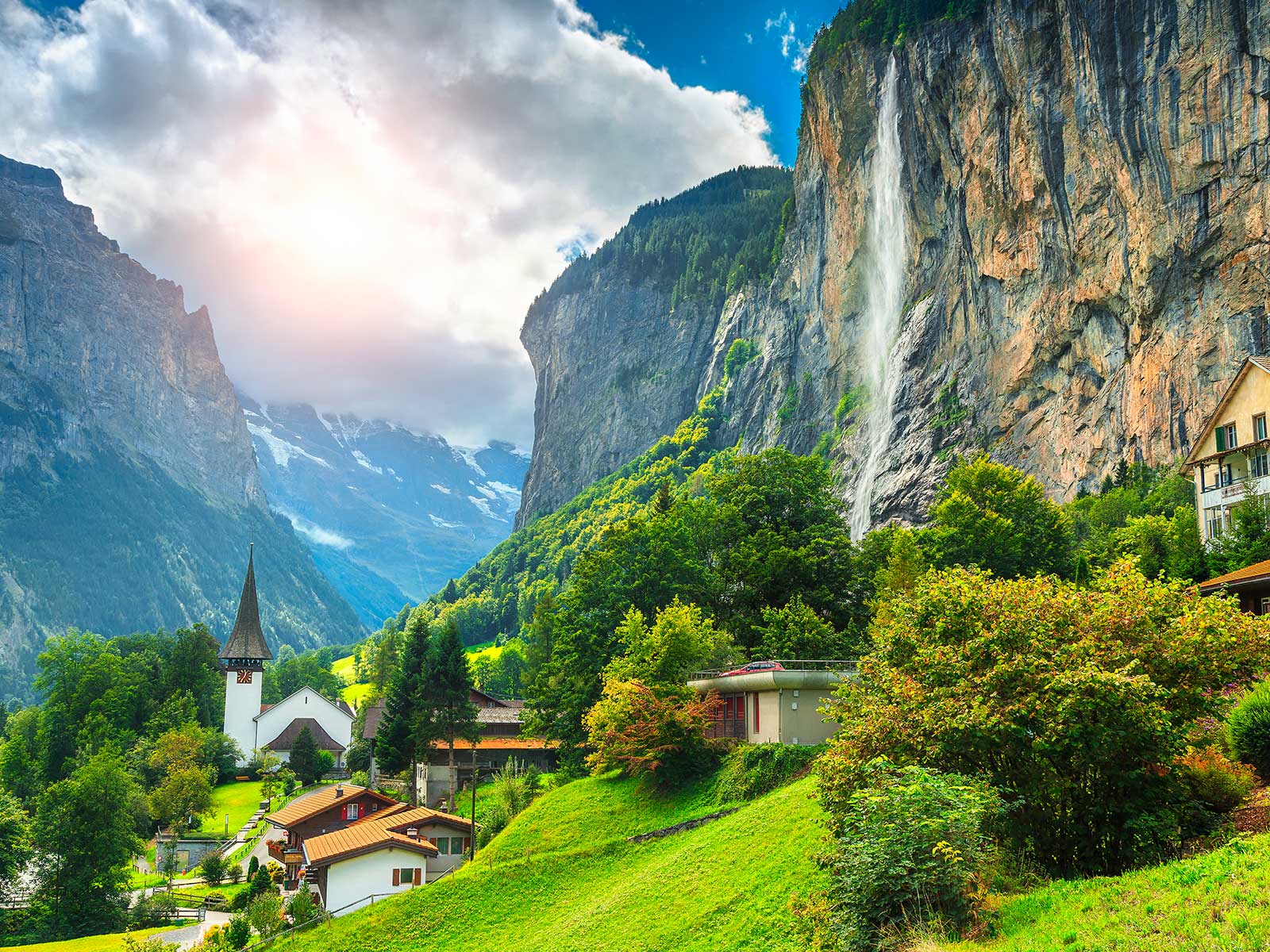
While High German is the official written language and understood by virtually all Swiss Germans, these local dialects are the heart language of daily life. From the bustling streets of Zürich to the serene Lauterbrunnen Valley, you'll hear variations of Swiss German everywhere.
Why Learn a Few Swiss German Phrases?
You might be wondering if it's truly necessary to learn Swiss German, especially since many Swiss people also speak High German and English. The answer is simple: it shows respect and appreciation for the local culture. Locals often appreciate the effort, even if your pronunciation isn't perfect.
Traveler's Tip:Attempting a simple "Grüezi" or "Merci" can often lead to a warmer reception, a friendly smile, and even a helpful conversation in English or High German if needed. It's a fantastic ice-breaker!
Swiss German Pronunciation: A Quick Primer
Swiss German pronunciation differs quite a bit from High German. Here are a few key points to keep in mind:
- The "ch" sound:This is one of the most distinctive sounds. It’s a softer, guttural sound, similar to the "ch" in the Scottish word "loch" or the German "ach." It's used in words like "Ich" (I) or "nacht" (night).
- The "r" sound:Often rolled or trilled, especially in some dialects, similar to Spanish or Italian 'r'. In others, it's softer.
- Vowel sounds:Many vowels are pronounced shorter and more open than in High German. Diphthongs like "ei" (like 'ai' in aisle) or "au" (like 'ow' in cow) are common.
- Regional Variation:Be aware that pronunciation can vary significantly between cantons. What sounds correct in Bern(Bärndüütsch) might be slightly different in Lucerne(Lozärnerdütsch) or Interlaken. Don't worry too much about perfection; effort counts!
Essential Swiss German Phrases for Travelers
Greetings & Introductions
Starting with a polite greeting is always a good idea.
- Hello:Grüezi(Gryeh-tzee) orGrüessech(Gryeh-sseh-kh).Grüeziis more formal and widely understood, whileGrüessechis common in many areas.
- Good Day:Guete Tag(Goo-teh Taag)
- Good Evening:Guete Abig(Goo-teh Aa-big)
- Goodbye:Uf Widerluege(Oof Vee-der-loo-geh). Often shortened toWiderluege. For informal goodbyes, especially with younger people,Ciao(Chow) is very common.
- My name is...:Mini Name isch...(Mee-nee Nah-meh ish...)
- How are you?:Wie gaats?(Vee gahts?)
- I'm fine, thank you:Es gaht mir guet, merci.(Es gaht meer goo-et, mehr-see)
- Pleased to meet you:Freut mi.(Froy-t mee)
Courtesy & Common Requests
Politeness goes a long way in Switzerland.
- Please:Bitte(Bit-teh)
- Thank you:Merci(Mehr-see). This French loanword is almost universally used in Swiss German. You might also hearVilmal(Feel-mahl) for "many times," often used as a more emphatic thank you.
- You're welcome:Gern gscheh(Gairn gsh-eh)
- Excuse me / Pardon me:Entschuldigung(Ent-shool-dee-goong) or simplyPardon(Par-dong)
- Sorry:Pardon(Par-dong) orEs tuet mir leid(Es too-et meer lied)
- Yes:Jo(Yo)
- No:Nei(Nigh)
- I don't understand:Ich verstah nöd.(Eekh fair-stah nuhd)
- Do you speak English?:Reded Si Änglisch?(Reh-ded See Ang-leesh?)
Getting Around
Navigating public transport or asking for directions becomes easier with these phrases.
- Where is...? / How do I get to...? :Wo isch...? / Wie chumm ich uf...?(Voh ish...? / Vee khoom eekh oof...?)
- Train station:Bhf(Bay-ha-eff) – short for Bahnhof (Bahn-hohf). You'll see this abbreviation on signs in cities like Zürich and Bern.
- Bus:Bus(Boos)
- Right:Rächt(Rakh-t)
- Left:Links(Links)
- Straight ahead:Graduus(Grah-doos)
Dining & Shopping
From a cozy restaurant in St. Moritz to a local shop in Lucerne, these will come in handy.
- The menu, please:D'Speisekartä, bitte.(D'Shpy-zeh-kar-tah, bit-teh)
- Water:Wasser(Vass-er)
- Coffee:Kafi(Kah-fee)
- Beer:Bier(Beer)
- Cheers!:Proscht!(Prosht!)
- How much is it?:Wie vil choschtet's?(Vee feel khosh-tets?)
- The bill, please:D'Rechnig, bitte.(D'Rehkh-nig, bit-teh)
Emergencies & Help
While hopefully not needed, it's good to know these.
- Help!:Hälf!(Hal-f!)
- Doctor:Dokter(Dok-ter)
- Hospital:Spital(Shpee-tahl)
Regional Dialects: A Brief Note
As mentioned, Swiss German encompasses many dialects. From the more guttural Walliserdütsch spoken near The Matterhorn to the lilting Bärndüütsch in Bern or the sharper Züritüütsch in Zürich, the differences can be significant. However, don't let this deter you! Basic phrases like "Grüezi" and "Merci" are universally understood and appreciated across all German-speaking cantons, including popular tourist destinations like Interlaken and Lauterbrunnen Valley.
Tips for Practicing Swiss German
- Don't Be Shy:The Swiss appreciate the effort. Don't worry about making mistakes; it's part of learning.
- Listen Actively:Pay attention to how locals speak. You'll pick up on rhythms and common phrases.
- Use Online Resources:Many apps and websites offer basic Swiss German lessons.
- Watch Swiss TV/Films:If you can find Swiss German media, it's a great way to immerse yourself in the sounds and context.
- Engage with Locals:When ordering coffee or buying a souvenir, try out a phrase. Even a simple "Grüezi" can open the door to a friendly interaction.
Beyond the Basics: Cultural Nuances
Understanding a bit about Swiss communication culture can also be helpful. The Swiss are generally known for their politeness, punctuality, and a certain directness in communication, often valuing clarity over excessive flowery language. The distinction between formal "Sie" (you, plural/formal) and informal "Du" (you, singular/informal) is also present, though when in doubt, "Sie" is always the safer and more respectful option for adults you don't know well.
Remember that in regions like Lake Geneva,Lausanne, or the Valle Verzasca, French and Italian are the primary languages, so your Swiss German phrases will be less applicable there.
Embracing a few Swiss German phrases will not only make your trip smoother but also allow you to experience the authentic charm of Switzerland on a more personal level. So go ahead, give it a try – you'll be glad you did!