
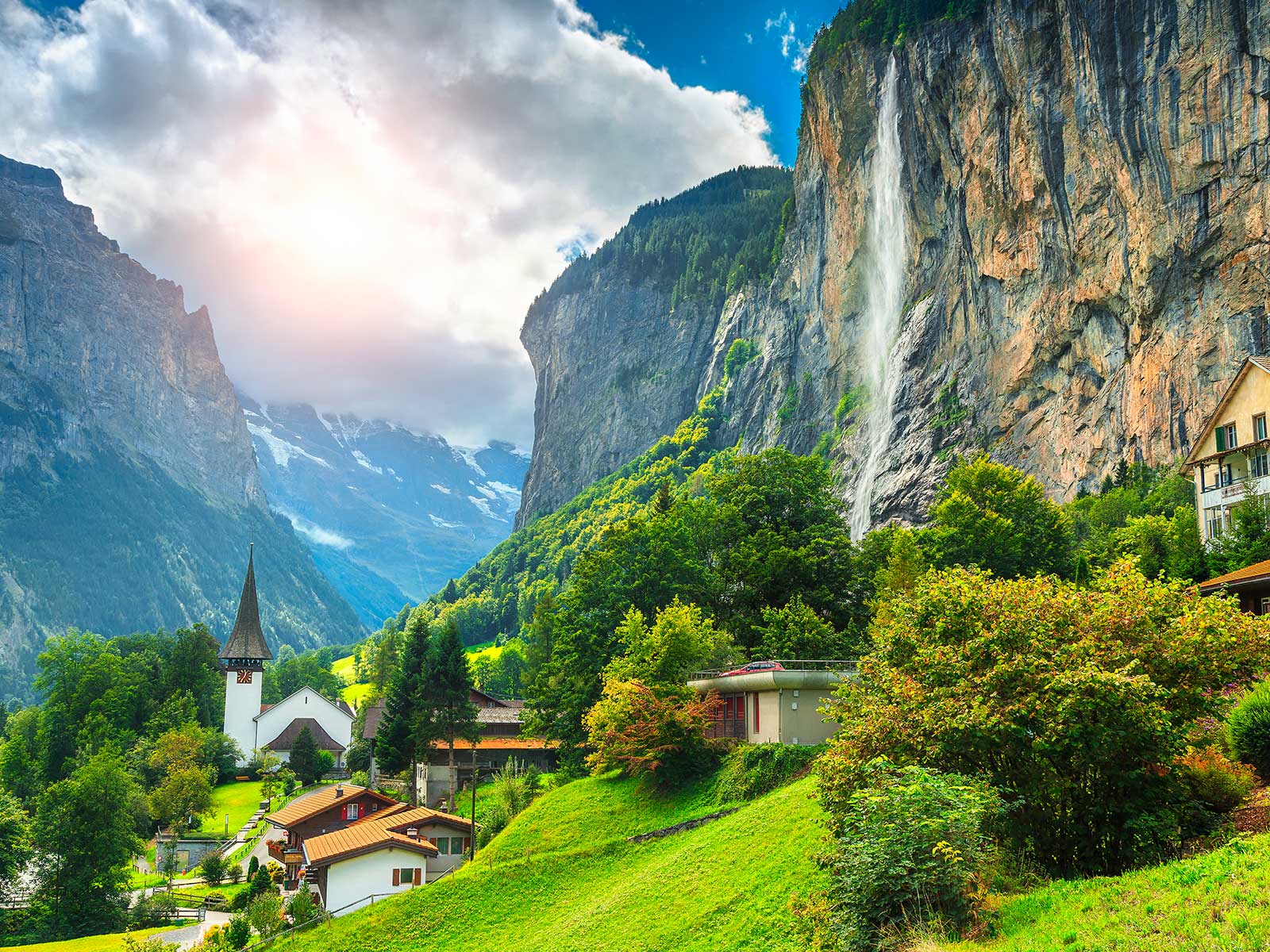
Switzerland Visa Requirements: Schengen Zone Entry
Planning a breathtaking trip to Switzerland, with its majestic Alps, pristine lakes, and charming cities, requires more than just booking flights and hotels. Understanding the Switzerland visa requirements, particularly its role within the Schengen Zone, is a crucial first step for many international travelers. This guide will walk you through everything you need to know to ensure a smooth entry into this stunning European gem.
Understanding the Schengen Zone
Switzerland is a proud member of the Schengen Area, a zone comprising 29 European countries that have abolished passport and all other types of border control at their mutual borders. This means that once you enter the Schengen Area, you can travel freely between member states without further immigration checks, making multi-country European itineraries incredibly convenient.
For travelers, this is a significant advantage: a single Schengen visa allows you to visit Switzerland and other Schengen countries like France, Germany, or Italy within the validity period of your visa. However, it also means that Switzerland adheres to the common visa policy of the Schengen Area, impacting visa requirements for non-Schengen citizens.
Do You Need a Visa for Switzerland?
Whether you need a visa to enter Switzerland depends primarily on your nationality and the intended duration and purpose of your stay. The general rule for short stays (tourism, business, visiting family) is that citizens of certain countries are visa-exempt, while others must obtain a Schengen visa.
Visa-Exempt Nationalities
Many nationalities can enter Switzerland (and the entire Schengen Zone) for short stays of up to 90 days within any 180-day period without a visa. This typically includes citizens from the European Union (EU), European Economic Area (EEA), Switzerland, as well as countries like the United States, Canada, Australia, the United Kingdom, Japan, and many others. Even if you are visa-exempt, you must still meet certain entry conditions:
- A passport valid for at least three months beyond your intended departure date from the Schengen Area, issued within the last 10 years.
- Sufficient financial means to cover your stay.
- A confirmed onward or return ticket.
- Proof of accommodation (e.g., hotel bookings in Zürich,Lucerne, or Interlaken).
- A clear purpose for your visit (tourism, business, family visit).
Important Note:The European Travel Information and Authorisation System (ETIAS) is expected to be implemented in the coming years. Once operational, visa-exempt travelers will need to obtain an ETIAS authorization prior to their trip. Stay updated with official Swiss and EU immigration websites for the latest information.
Visa-Required Nationalities
If your country is not on the visa-exempt list, you will need to apply for a Schengen visa to enter Switzerland. This applies to citizens of countries such as India, China, Russia, South Africa, and many others. The most common type of visa for tourism and short visits is the Short-Stay Schengen Visa (Type C).
Types of Schengen Visas for Switzerland
For most travelers looking to explore Switzerland's stunning landscapes and vibrant cities, a short-stay visa will suffice. However, it's important to understand the different categories.
Short-Stay (Type C) Visa
This is the visa most tourists, business travelers, and individuals visiting family or friends will apply for. It permits stays of up to 90 days within any 180-day period. The 90-day count restarts only after you have been outside the Schengen Area for 90 consecutive days. This visa can be issued for a single entry, double entry, or multiple entries.
- Tourism:For leisure travel, sightseeing, and exploring destinations like Lauterbrunnen Valley or The Matterhorn.
- Business:For attending meetings, conferences, or negotiations.
- Visiting Family/Friends:For travelers with an invitation from a resident in Switzerland.
- Medical Reasons:For receiving medical treatment.
- Cultural/Sports Events:For participation in specific events.
Long-Stay (Type D) Visa
If you intend to stay in Switzerland for more than 90 days (e.g., for work, study, or family reunification), you will need to apply for a national Long-Stay (Type D) visa. This type of visa is subject to Swiss national law and procedures, distinct from the Schengen short-stay visa. The application process is generally more complex and requires specific documentation tailored to the purpose of your extended stay.
General Requirements for a Schengen Visa Application
Applying for a Schengen visa involves submitting a comprehensive set of documents. While specific requirements may vary slightly based on your country of residence and the Swiss embassy/consulate, the following are generally mandatory:
- Schengen Visa Application Form:Duly filled out, dated, and signed.
- Valid Passport:Your passport must be valid for at least three months beyond your intended departure date from the Schengen Area, contain at least two blank pages, and have been issued within the last 10 years.
- Passport-Sized Photographs:Two recent photos adhering to Schengen visa photo specifications (e.g., plain white background, clear facial features).
- Travel Itinerary:
- Flight Reservations:Round-trip flight itinerary, including booking confirmation.
- Proof of Accommodation:Confirmed hotel bookings for the entire duration of your stay in Switzerland, or an invitation letter if staying with a host (e.g., exploring the vibrant streets of Bern or the serene shores of Lake Geneva).
- Proof of Financial Means:Bank statements for the last three to six months, showing sufficient funds to cover your expenses during your stay. Alternatively, a sponsorship letter and financial proof from a host in Switzerland.
- Travel Medical Insurance:Mandatory for the entire duration of your stay in the Schengen Area. It must have a minimum coverage of €30,000 for medical emergencies, hospitalization, and repatriation, and be valid in all Schengen states.
- Proof of Purpose of Travel:
- For Tourism:A detailed itinerary of your planned activities, potentially including reservations for tours or attractions like The Rhine Falls.
- For Business:An invitation letter from the Swiss company you are visiting and a letter from your employer.
- For Visiting Family/Friends:An invitation letter from your host in Switzerland, along with a copy of their passport/ID and proof of residence.
- Proof of Ties to Home Country:Documents like employment contracts, property deeds, marriage certificates, or birth certificates of dependents to demonstrate your intent to return home.
- Visa Fee:A non-refundable application fee must be paid during the submission process.
The Application Process
Applying for a Schengen visa to Switzerland typically involves these steps:
- Determine Your Visa Need:Use official Swiss government websites to confirm if your nationality requires a visa.
- Choose Your Visa Type:For most tourists, this will be a Short-Stay (Type C) visa.
- Gather Required Documents:Collect all necessary documents as outlined above, ensuring they are complete and accurate.
- Book an Appointment:Schedule an appointment at the Swiss embassy, consulate, or an authorized visa application center (VAC) in your country of residence.
- Attend the Interview:Submit your application in person, provide biometric data (fingerprints and a digital photo), and attend a short interview.
- Pay the Visa Fee:Pay the non-refundable visa fee at the time of your appointment.
- Await Decision:Processing times can vary, but generally take between 15 to 45 days. It's advisable to apply well in advance of your travel date.
- Collect Your Passport:Once a decision is made, you will be notified to collect your passport. If your visa is granted, carefully check all details on the visa sticker.
Important Tips for a Smooth Application
Pro Tip:Always apply for your Schengen visa at the embassy or consulate of the country where you intend to spend the majority of your time. If your trip involves multiple Schengen countries with no clear main destination, apply to the embassy of the country where you will first enter the Schengen Area.
- Apply Early:Submit your application at least 3 weeks but no more than 6 months before your intended travel date.
- Accuracy is Key:Ensure all information provided is truthful and consistent across all documents. Any discrepancies can lead to delays or rejection.
- Originals and Copies:Always bring original documents along with photocopies as required.
- Travel Insurance:Do not underestimate the importance of valid travel insurance. It's a mandatory requirement and provides essential peace of mind.
- The 90/180-Day Rule:Keep track of your stays within the Schengen Area, especially if you travel frequently. Overstaying can lead to severe penalties.
Extending Your Stay in Switzerland
Extending a short-stay Schengen visa in Switzerland is generally very difficult and only permitted under exceptional circumstances, such as humanitarian reasons, force majeure, or serious personal reasons. It is not possible to extend a tourist visa simply to prolong your vacation. Overstaying your visa can lead to fines, deportation, and a ban from future entry into the Schengen Area.
Exploring Switzerland with Your Visa
Once you have successfully obtained your Switzerland Schengen visa, a world of incredible experiences awaits. From the bustling streets of Zürich to the serene beauty of Lake Geneva and the iconic peaks around Interlaken, Switzerland offers an unforgettable journey. Imagine hiking near The Matterhorn, exploring the charming Old Town of Bern, or marveling at the natural splendor of Lauterbrunnen Valley.
Whether you're seeking adventure on the Charles Kuonen Suspension Bridge, a tranquil escape in Valle Verzasca, or the luxury of St. Moritz, your visa is your gateway to discovering the diverse wonders of this magnificent country.
Navigating the Switzerland visa requirements for the Schengen Zone might seem daunting at first, but with careful preparation and attention to detail, you can ensure a smooth application process. Start early, gather all necessary documents, and soon you'll be ready to immerse yourself in the unparalleled beauty and culture of Switzerland.