
Swiss Culture: Punctuality, Languages & Social Customs
Switzerland, a land synonymous with stunning alpine landscapes and pristine lakes, offers more than just breathtaking scenery. Delving into Swiss culture reveals a society deeply rooted in precision, multilingualism, and a unique set of social customs that shape daily life. Understanding these nuances will enrich your visit and help you connect more authentically with this fascinating country.
The Precision of Swiss Punctuality
Punctuality is not merely a courtesy in Switzerland; it's a fundamental aspect of the national character, deeply ingrained in everything from public transport to social engagements. The Swiss value efficiency and respect for others' time, making timeliness a hallmark of their society.
You'll notice this commitment to precision immediately, particularly with the country's renowned public transportation system. Trains, trams, and buses run with an impressive accuracy that is the envy of many nations. If a train is scheduled for 10:07, it will almost certainly depart at 10:07.
When it comes to social and business appointments, arriving on time, or even a few minutes early, is expected. Being late, even by a few minutes, can be perceived as disrespectful. This applies whether you're meeting friends for coffee in Zürich, attending a business meeting in Bern, or joining a guided tour in Lucerne. Plan your travel accordingly, allowing extra time, especially if navigating unfamiliar areas.
Tip for Travelers:When making plans, always aim to arrive 5-10 minutes early. If an unavoidable delay occurs, communicate it as soon as possible with a sincere apology.
A Mosaic of Languages: Switzerland's Linguistic Landscape
One of the most striking features of Swiss culture is its linguistic diversity. Switzerland officially recognizes four national languages, each dominating different regions of the country, reflecting its historical and geographical tapestry. While English is widely spoken in tourist areas and among younger generations, knowing which language is primary in a region can enhance your experience.
German (Swiss German)
Approximately two-thirds of the Swiss population speaks German, predominantly in the central and eastern parts of the country. However, what you'll hear in daily life is typicallySwiss German(Schweizerdeutsch), a collective term for various Alemannic dialects that differ significantly from High German. While High German is used in written communication, media, and formal settings, everyday conversations are in dialect. Major cities like Zürich,Bern, and Lucerne are in the German-speaking region.
French
In western Switzerland, bordering France, French is the dominant language. This region, often called "Romandie," encompasses beautiful areas around Lake Geneva and cities like Lausanne and Geneva. The French spoken here is very similar to standard Parisian French, with only minor regional variations.
Italian
The southern canton of Ticino and parts of Graubünden speak Italian, reflecting their proximity to Italy. The Italian spoken in Switzerland is standard Italian, though with some regional influences.Lugano is the largest city in this Italian-speaking region, offering a distinct Mediterranean flair and access to picturesque spots like Valle Verzasca.
Romansh
The fourth national language, Romansh, is spoken by a small minority in the canton of Graubünden. It's a Romance language derived from Vulgar Latin, and while it has official status, its use is declining. Efforts are continually made to preserve this unique linguistic heritage.
Don't feel pressured to be fluent in all four languages. A few basic greetings in the local language (e.g.,Grüeziin German Swiss,Bonjourin French,Buongiornoin Italian) will go a long way in showing respect and can often elicit a warm response.
Navigating Swiss Social Customs
Beyond punctuality and language, understanding common social customs is key to a harmonious visit. The Swiss are generally reserved and polite, valuing discretion and order.
Greetings and Introductions
When meeting someone for the first time, a firm handshake is the standard greeting, accompanied by direct eye contact. Among friends and family, three kisses on alternating cheeks are common, particularly in French and Italian-speaking regions. When addressing people, especially in formal settings or with elders, use titles (e.g., "Herr" for Mr., "Frau" for Mrs./Ms.) followed by their last name until invited to use first names.
Dining Etiquette
Swiss dining etiquette is generally formal and polite. Wait to be seated and keep your hands visible on the table (not in your lap). It's customary to wait for everyone to be served before starting to eat. When toasting, make eye contact with everyone whose glass you clink. Tipping is not mandatory as service charges are included in prices, but rounding up the bill or leaving a small amount (e.g., 5-10%) for excellent service is appreciated.
Public Behavior & Respect
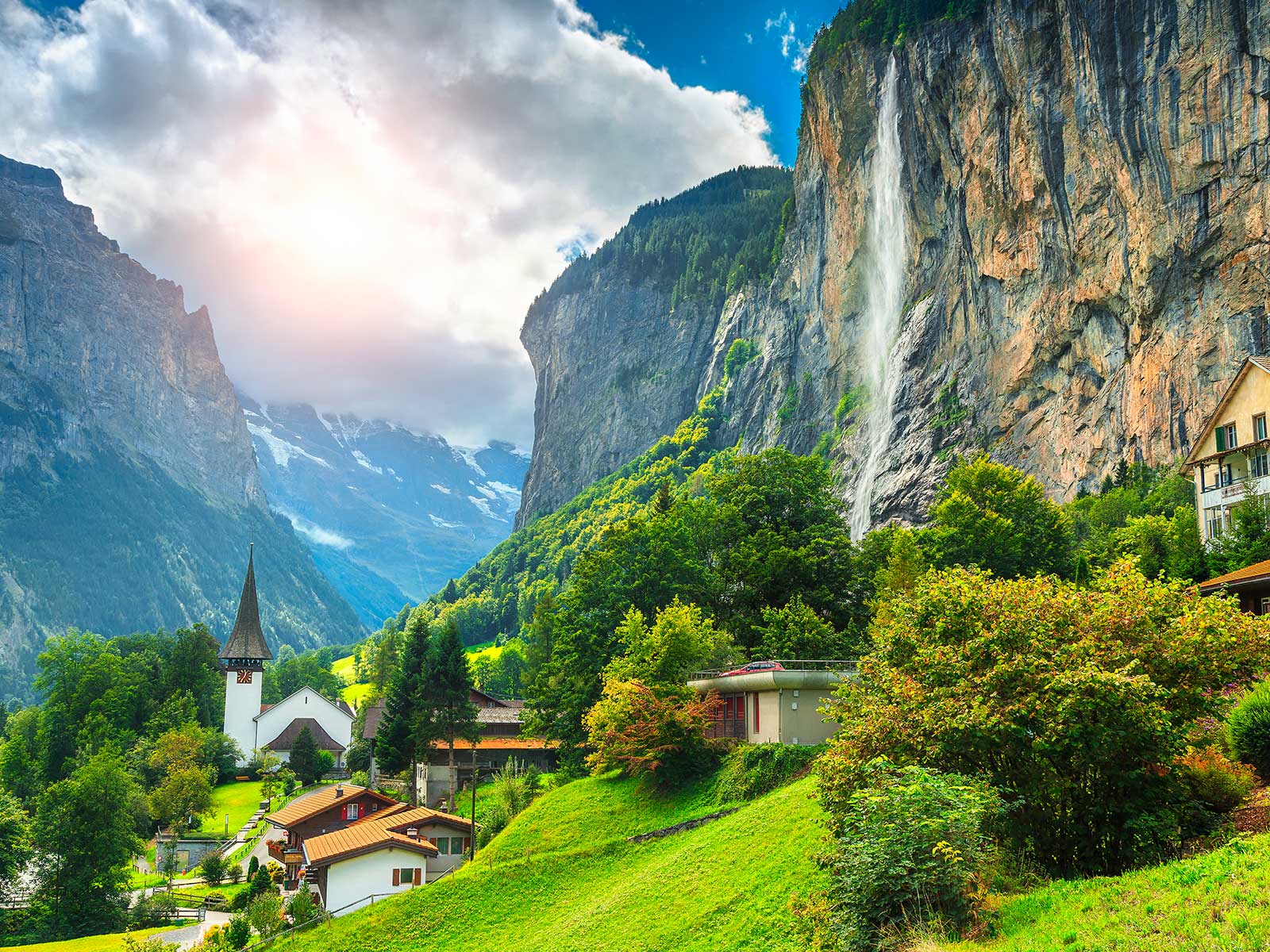
The Swiss value order, cleanliness, and quietude. Littering is rare and frowned upon. Public spaces, including trains and buses, are generally quiet, especially during off-peak hours. Loud conversations or boisterous behavior can be seen as impolite. Respect for nature is also paramount, particularly in popular hiking areas like the Lauterbrunnen Valley or near iconic peaks like The Matterhorn. Stick to marked trails, take all your rubbish with you, and avoid disturbing wildlife.
Swiss Value:Respect for the environment is deeply embedded. When exploring Switzerland's natural beauty, remember to leave no trace and protect its pristine landscapes.
Privacy and Personal Space
The Swiss tend to be a reserved people who value their privacy and personal space. Avoid overly personal questions, especially with new acquaintances. While they are friendly and helpful, deep personal conversations are usually reserved for close friends and family. Small talk is generally kept light and polite.
Shopping & Service
Service in shops and restaurants is typically efficient and professional. Queuing is orderly, and patience is appreciated. Many shops, especially outside major cities, may close for a lunch break or have limited Sunday hours, so it's wise to check opening times in advance.
Beyond the Stereotypes: Embracing Swiss Diversity
While these cultural insights provide a general framework, it's important to remember that Switzerland is a diverse country. Each canton and region has its own subtle variations in customs and traditions. For instance, the vibrant carnival traditions in Lucerne differ greatly from the more reserved atmosphere of a banking district in Zürich. Observing local behavior and adapting accordingly is always the best approach.
By understanding and respecting Swiss punctuality, navigating its linguistic tapestry, and appreciating its social customs, you'll not only have a smoother trip but also gain a deeper appreciation for the rich and diverse culture of Switzerland. Enjoy your journey of discovery!