
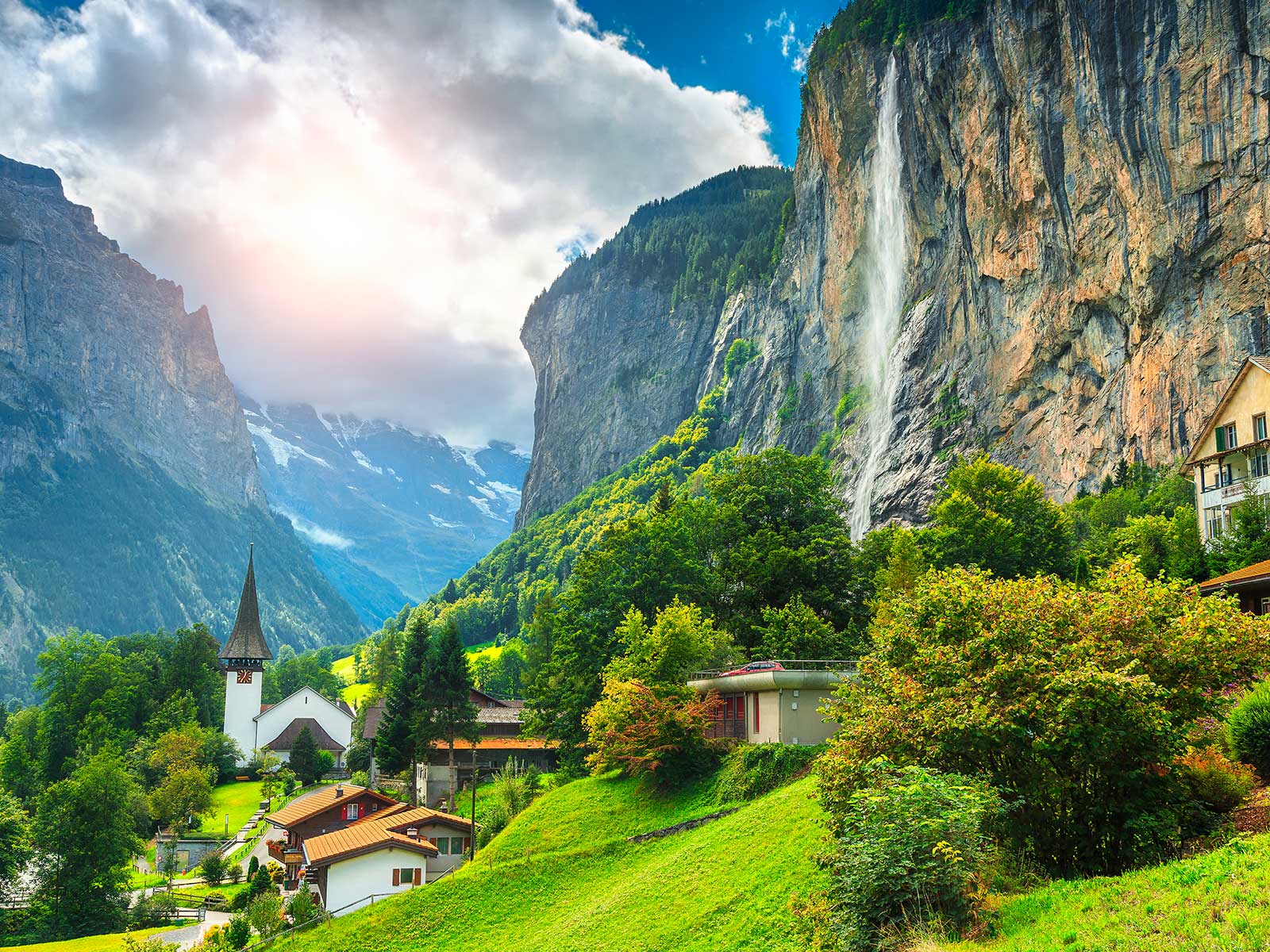
Getting Around Switzerland: Your Guide to Trains, Buses, and Cars
Switzerland, a land of majestic Alps, pristine lakes, and charming cities, offers an unparalleled travel experience. Navigating this stunning country is surprisingly easy, thanks to an impeccably organized and efficient transportation network. Whether you prefer the panoramic views from a train, the flexibility of a bus, or the freedom of a car, Switzerland has options to suit every traveler.
The Swiss Public Transport System: An Overview
Switzerland boasts one of the world's most comprehensive and reliable public transport systems, seamlessly integrating trains, buses, boats, and even mountain railways and cable cars. This intricate network, often referred to as "Swiss Travel System," connects virtually every town and village, making car-free travel not just possible, but often preferable.
The system is renowned for its punctuality, cleanliness, and efficiency. Services run frequently, even to remote mountain regions, ensuring you can reach your desired destination with ease. Planning your journey is simplified by integrated timetables and ticketing options, accessible online or through dedicated apps.
Did you know?The Swiss public transport system is so integrated that a single ticket or pass can often cover multiple modes of transport across different operators, offering incredible convenience.
Navigating Switzerland by Train
Trains are the quintessential Swiss travel experience. With scenic routes winding through valleys, alongside glittering lakes, and up into the mountains, rail travel offers breathtaking views and a relaxed journey. The Swiss Federal Railways (SBB) is the backbone of this system, connecting major cities and towns across the country.
Why Choose Trains?
- Scenic Beauty:Many routes are considered some of the most beautiful in the world, like the journey along Lake Geneva or through the heart of the Alps towards destinations like St. Moritz or the region around The Matterhorn.
- Efficiency and Punctuality:Swiss trains are famous for running on time, ensuring smooth connections.
- Comfort:Modern trains offer comfortable seating, dining cars, and often large panoramic windows.
- Accessibility:Major cities like Zürich,Bern,Lucerne, and Lausanne are all incredibly well-connected by rail. Even popular tourist hubs like Interlaken are easily accessible.
- Eco-Friendly:Traveling by train is a more sustainable way to explore Switzerland.
The Swiss Travel Pass and Other Tickets
For visitors, theSwiss Travel Passis often the most cost-effective and convenient option. It offers unlimited travel on trains, buses, and boats, free entry to over 500 museums, and discounts on most mountain railways and cable cars. There are various versions available, from consecutive day passes to flexible options. For shorter trips or specific routes, individual tickets are readily available at stations or via the SBB mobile app.
Planning your train journeys is simple with the SBB website or app, which provides real-time timetables, platform information, and even seat reservations for popular scenic routes.
Exploring by Bus and PostBus
While trains connect the major arteries, Switzerland's extensive bus network, especially the iconic yellow PostBuses (PostAuto), fills in the gaps, reaching remote villages, mountain passes, and scenic viewpoints not accessible by train.
The PostBus Network
- Mountain Access:PostBuses are indispensable for reaching high-altitude destinations and trailheads in areas like the Lauterbrunnen Valley or even more secluded spots like Valle Verzasca.
- Scenic Routes:Many PostBus routes are renowned for their incredible scenery, traversing dramatic mountain passes and offering unique photo opportunities.
- Integration:PostBuses are fully integrated into the Swiss public transport system. Your Swiss Travel Pass or other public transport tickets are typically valid on PostBus routes, making seamless transfers from trains possible.
Beyond the PostBuses, urban areas have their own local bus networks, complementing trams and regional trains to provide excellent inner-city mobility in places like Lugano or for connecting to attractions like The Rhine Falls.
Driving in Switzerland: Freedom on Four Wheels
For those who value ultimate flexibility, driving in Switzerland offers the freedom to explore at your own pace, stopping wherever a view catches your eye. Switzerland boasts an excellent network of well-maintained roads, from fast motorways to winding mountain passes.
Renting a Car and Road Conditions
- Car Rental:Major international car rental companies operate throughout Switzerland, with pick-up points at airports and large cities.
- Vignette:If you plan to use Swiss motorways, you'll need a motorway vignette (a sticker for your windshield). Rental cars typically come with one already affixed.
- Mountain Roads:Be prepared for narrow, winding roads and sharp turns in mountainous areas. Some passes are closed in winter.
- Driving in Winter:Winter tires are highly recommended or legally required in certain conditions, and snow chains may be necessary for some mountain passes.
Advantages and Disadvantages of Driving
- Advantages:
- Flexibility:Stop whenever you wish, explore off-the-beaten-path locations like the access roads near the Charles Kuonen Suspension Bridge(though the bridge itself requires hiking).
- Luggage:Easier to transport bulky luggage or ski equipment.
- Remote Access:Some truly remote spots are only accessible by car or a specific PostBus route.
- Disadvantages:
- Cost:Car rental, fuel, parking fees, and the vignette can add up.
- Parking:Can be expensive and difficult to find in city centers.
- Traffic:Cities can experience rush hour traffic.
- Navigation:Mountain roads can be challenging for inexperienced drivers.
Choosing Your Best Transport Option
The "best" way to get around Switzerland depends on your travel style, budget, and itinerary.
- For City-Hopping & Scenic Routes:Trainsare usually the superior choice. They are fast, comfortable, and offer incredible views without the stress of driving. A Swiss Travel Pass can be incredibly economical.
- For Mountain Exploration & Remote Villages:PostBusesare invaluable for reaching trailheads and smaller, picturesque communities. They integrate perfectly with train travel.
- For Ultimate Freedom & Off-the-Beaten-Path Adventures:Acargives you the most independence, particularly if you're planning to visit very specific, less-touristed locations or carry a lot of gear.
Essential Tips for Getting Around Switzerland
- Check Timetables:Always verify schedules, especially for mountain transport, as they can vary seasonally. The SBB website and app are your best friends.
- Tickets and Passes:Consider a Swiss Travel Pass if you plan extensive travel. Otherwise, purchase individual tickets. Remember to validate tickets if required.
- Luggage:On public transport, you are responsible for your own luggage. Consider the SBB luggage service for seamless transfers of your bags between stations.
- Be Punctual:Swiss public transport runs like clockwork. Arrive at your platform a few minutes early to avoid missing your connection.
- Learn Basic Phrases:While English is widely spoken in tourist areas, knowing a few German, French, or Italian phrases (depending on the region) can enhance your interactions.
No matter which mode of transport you choose, getting around Switzerland is an experience in itself. Its world-class infrastructure ensures that your journey will be as smooth and enjoyable as the destination itself, allowing you to focus on the breathtaking beauty around you.