
Best Time to Visit Switzerland: Summer Hiking or Winter Skiing?
Switzerland, a land of breathtaking alpine vistas and charming villages, beckons travelers year-round with its distinct seasonal charms. Deciding thebesttime to visit often boils down to a fundamental choice: do you dream of sun-drenched mountain trails or snow-covered slopes?
From the lush green valleys of summer to the pristine white wonderland of winter, Switzerland transforms dramatically with the seasons, each offering a unique array of experiences. While summer hiking and winter skiing are the iconic drawcards, the shoulder seasons also present compelling reasons to explore this majestic country.
Summer in Switzerland: The Hiking Haven (June - August)
When the snow melts and the alpine meadows burst into bloom, Switzerland transforms into a hiker's paradise. Summer, typically from June to August, offers long daylight hours, pleasant temperatures, and unparalleled access to the country's extensive network of trails.
Weather and Landscape
Summer brings warmer temperatures, ranging from comfortable lows in the valleys to crisp, cooler air at higher altitudes. The landscape is vibrant green, adorned with wildflowers, and crystal-clear lakes glisten under the sun. While rain showers can occur, they often clear quickly, revealing stunning rainbows.
Activities
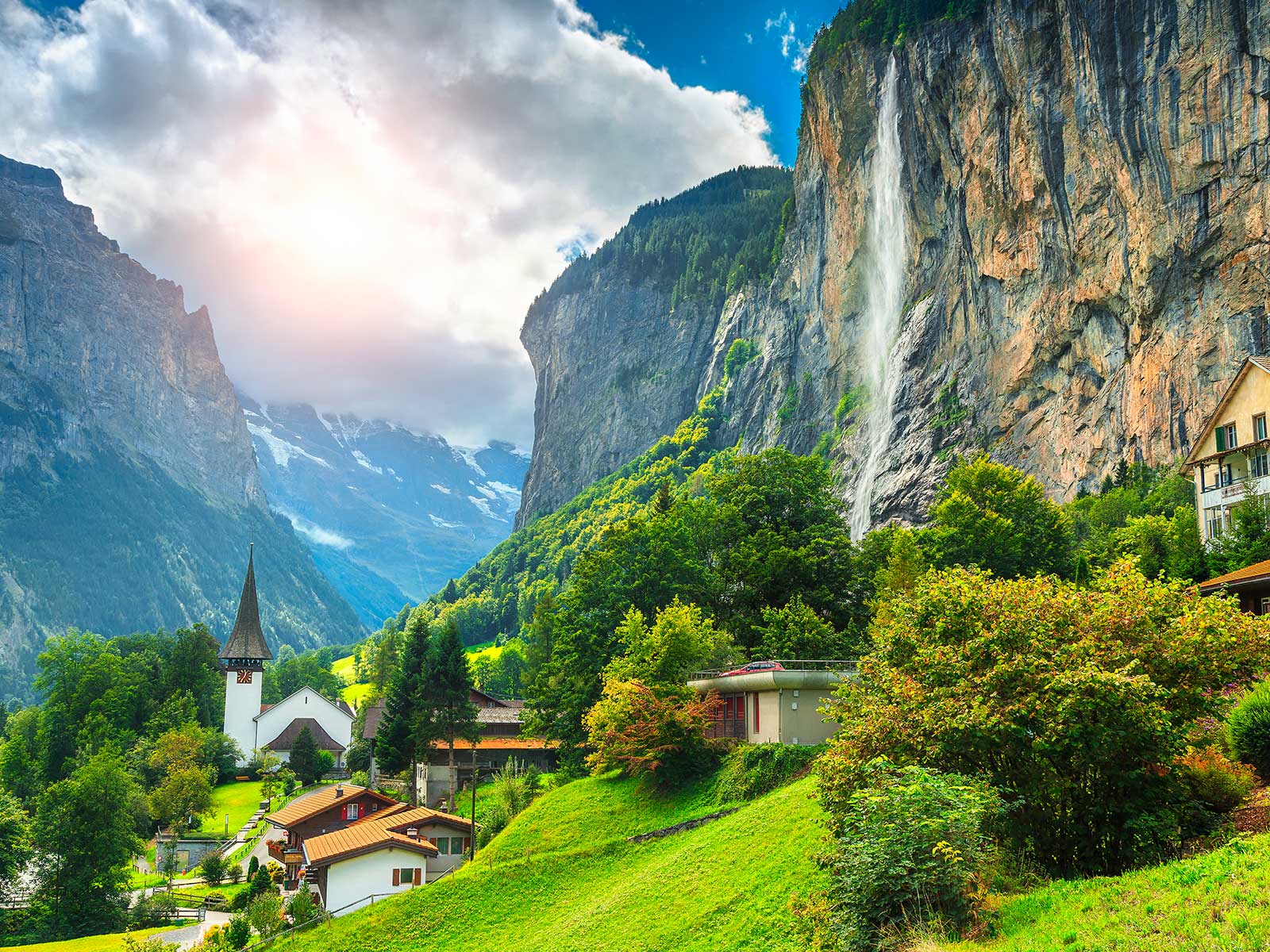
- Hiking and Trekking:This is the prime season for exploring thousands of kilometers of marked trails. From leisurely strolls through Lauterbrunnen Valley to challenging multi-day treks around The Matterhorn, options abound for all fitness levels. Don't miss the thrill of crossing the Charles Kuonen Suspension Bridge for breathtaking views.
- Mountain Biking:Numerous resorts open their lifts for mountain bikers, offering thrilling downhill descents and scenic cross-country routes.
- Water Sports:Switzerland's pristine lakes become hubs of activity. Enjoy swimming, paddleboarding, kayaking, or scenic boat cruises on Lake Geneva, Lake Lucerne near Lucerne, or Lake Thun and Lake Brienz surrounding Interlaken. The turquoise waters of Valle Verzasca are also a unique summer highlight.
- City Exploration:Cities like Zürich,Bern, and Lausanne come alive with outdoor cafes, festivals, and lakeside promenades.
- Scenic Train Journeys:Iconic routes like the Glacier Express or Bernina Express offer spectacular views of the summer landscape.
Travel Tip:While summer offers the best access to high-altitude trails, always check local weather forecasts and trail conditions before heading out, as mountain weather can change rapidly.
Pros of Summer
- Maximum accessibility to hiking trails and mountain passes.
- Long daylight hours for extended exploration.
- Vibrant green landscapes and blooming wildflowers.
- Wide range of activities beyond hiking, including water sports and city festivals.
Cons of Summer
- Peak tourist season, leading to more crowds at popular attractions and trails.
- Accommodation can be more competitive to book.
- Higher temperatures, especially in valleys.
Winter in Switzerland: The Skiing Paradise (December - March)
As winter descends, Switzerland transforms into a magical wonderland, blanketed in snow and sparkling ice. From December to March, the country is a premier destination for winter sports enthusiasts, offering world-class skiing, snowboarding, and a cozy, festive atmosphere.
Weather and Landscape
Winter in Switzerland is characterized by cold temperatures and abundant snowfall, especially at higher elevations. The landscape is breathtakingly beautiful, with snow-capped peaks, frozen lakes, and charming villages dusted in white. Sunny days are crisp and clear, providing perfect conditions for outdoor activities.
Activities
- Skiing and Snowboarding:Switzerland boasts some of the best ski resorts in the world, catering to all skill levels. Famous destinations like St. Moritz and the resorts surrounding The Matterhorn offer extensive pistes, breathtaking scenery, and excellent facilities.
- Snowshoeing and Winter Hiking:For those who prefer a slower pace, marked snowshoe trails and groomed winter hiking paths offer serene ways to experience the snowy landscape.
- Ice Skating:Many towns and cities set up outdoor ice rinks, adding to the festive winter charm.
- Christmas Markets:In the lead-up to Christmas, cities like Zürich and Bern host enchanting Christmas markets, perfect for finding unique gifts and enjoying seasonal treats.
- Cozy Retreats:Winter is ideal for enjoying the warmth of a traditional Swiss chalet, savoring fondue, and taking in the stunning snowy views from a comfortable indoor setting.
- Scenic Train Journeys:Witnessing the snow-laden landscapes from the warmth of a panoramic train is an unforgettable experience.
- The Rhine Falls:While magnificent year-round, seeing The Rhine Falls partially frozen or surrounded by snow offers a unique perspective.
Pros of Winter
- World-class skiing, snowboarding, and other winter sports.
- Magical, snow-covered landscapes and festive atmosphere.
- Opportunity to experience traditional Swiss hospitality in cozy settings.
- Fewer crowds in cities compared to summer.
Cons of Winter
- Limited access to some high-altitude areas and hiking trails.
- Shorter daylight hours.
- Colder temperatures, requiring warmer clothing.
- Some popular ski resorts can be very busy, especially during peak holiday periods.
The Allure of the Shoulder Seasons
While summer and winter draw the biggest crowds, Switzerland's shoulder seasons—spring (April-May) and autumn (September-November)—offer a unique charm, often with fewer tourists and distinct natural beauty.
Spring's Awakening (April - May)
Spring is a season of transformation. The valleys begin to shed their snow, giving way to lush green pastures and vibrant wildflowers. Higher altitudes still retain snow, but lower-elevation hiking trails open up. It's an excellent time for lake cruises and exploring cities like Lugano in the warmer south, or Lucerne and Bern before the summer rush. You might even catch the tail end of the ski season at very high-altitude resorts.
Autumn's Golden Glow (September - November)
Autumn is arguably one of Switzerland's most visually stunning seasons. The larch forests turn brilliant shades of gold, orange, and red, creating a spectacular backdrop for hiking. The air is crisp and clear, often providing excellent visibility for photography. It's an ideal time for hiking without the summer heat or crowds, and for enjoying wine festivals in regions like Lake Geneva. Mid-September to mid-October is generally considered the sweet spot for autumn foliage.
Why Consider Shoulder Seasons?
- Fewer crowds at popular attractions.
- Often more value for accommodation.
- Unique natural beauty (wildflowers in spring, foliage in autumn).
- A pleasant balance of good weather without extreme heat or cold.
Making Your Decision: Key Factors
Ultimately, the best time to visit Switzerland depends on your personal preferences and what you hope to experience.
Your Primary Activities
If your heart is set on extensive hiking, mountain biking, or water sports, summer is unequivocally your season. For skiing, snowboarding, or experiencing a quintessential snowy landscape, winter is paramount.
Crowd Aversion
If you prefer a quieter experience with fewer tourists, consider the shoulder seasons of late spring or early autumn. Even within peak seasons, choosing less famous regions or visiting during weekdays can help mitigate crowds.
Specific Regions
Some regions shine brighter in specific seasons. The Ticino region, including Lugano and Valle Verzasca, often enjoys milder weather, making it a great option for early spring or late autumn. Iconic ski resorts like St. Moritz are obviously best in winter, while areas like Interlaken and Lauterbrunnen Valley are summer adventure hubs.
Weather Preferences
Consider if you thrive in warm sunshine, crisp cold, or mild transitional weather. Switzerland offers a spectrum of climates throughout the year.
Conclusion
Switzerland is a truly remarkable destination that offers distinct and unforgettable experiences in every season. Whether you envision yourself conquering a challenging summer hike with panoramic views of The Matterhorn or gliding down pristine slopes in a winter wonderland, the country delivers. By considering your interests, desired activities, and tolerance for crowds, you can confidently choose the best time to embark on your Swiss adventure.