
Swedish Midsummer: Your Guide to Celebrating the Longest Day
As the Nordic sun barely dips below the horizon, Sweden bursts into life with its most cherished celebration: Midsummer. A time when nature is at its peak, and communities gather to revel in the endless daylight, Midsummer is an experience unlike any other. This guide will help you understand and participate in the magic of Sweden's longest day.
What is Midsummer? A Celebration of Light and Life
Midsummer, orMidsommarin Swedish, is an ancient festival deeply rooted in pagan traditions, celebrating the summer solstice – the longest day of the year. While its origins are tied to fertility rites and warding off evil spirits, today it's a joyous occasion for Swedes to come together with family and friends, embracing the vibrant summer and the promise of growth. It's a time for community, nature, and light, often considered even more important than Christmas for many Swedes.
When is Midsummer Celebrated?
Unlike a fixed date, Swedish Midsummer's Eve always falls on a Friday between June 19th and June 25th. The main celebrations occur on Midsummer's Eve, with Midsummer's Day (the Saturday) often a quieter day for recovery and continued relaxation. This ensures everyone can enjoy a long weekend dedicated to the festivities.
Key Traditions and How to Participate
Midsummer is rich with distinctive traditions that create its unique charm. Here’s what to expect and how you can join in:
The Midsummer Pole (Midsommarstång or Majstång)
The undisputed centerpiece of the celebrations is the Midsummer pole. This tall, leafy cross-shaped pole, often adorned with flowers and ribbons, is raised in an open field or park. Once it stands tall, people of all ages gather around it to dance traditional folk dances, the most famous being "Små Grodorna" (The Little Frogs), where participants mimic frogs jumping. It's an incredibly joyful and inclusive experience, often accompanied by live folk music.
Fun Fact:The Midsummer pole is often referred to as a "maypole" in English, though it's typically raised in June. Its design, with two rings extending from the top, is unique to Sweden.
Flower Wreaths (Blomsterkransar)
Before the festivities begin, a popular activity is to gather wildflowers and leaves to weave into beautiful wreaths. These are then worn on the head by both men and women, adding to the festive and natural atmosphere. Making a wreath is a relaxing and creative way to connect with nature and feel part of the tradition.
The Midsummer Meal (Midsommarmat)
Food plays a central role in Midsummer celebrations. The traditional feast is typically enjoyed outdoors, often as a picnic or at long tables. Key components include:
- Pickled Herring (Inlagd Sill):Served in various marinades, it's a staple.
- New Potatoes (Färskpotatis):Boiled and served with fresh dill, butter, and often sour cream.
- Gravlax or Smoked Salmon:Another popular fish dish.
- Köttbullar (Meatballs):A crowd-pleaser, especially for children.
- Crispbread (Knäckebröd):Essential for layering toppings.
- Fresh Strawberries (Jordgubbar):The absolute highlight for dessert, often served with cream or milk. Swedish strawberries are particularly delicious during this season.
Snapsvisor (Drinking Songs)
Accompanying the food and drinks are "snapsvisor," short, often humorous drinking songs sung before taking a shot of schnapps (usually aquavit). These songs add a lively and social element to the meal, with everyone joining in the choruses. Even if you don't know the words, the enthusiastic atmosphere is infectious.
Folklore and Magic
Midsummer's Eve is steeped in ancient folklore and magical beliefs. A popular tradition, especially among young women, is to pick seven different wildflowers in silence and place them under their pillow. It is said that in their dreams, they will then see their future spouse. The long, light nights also contribute to an ethereal, magical feeling, where the line between reality and myth seems to blur.
Where to Celebrate Midsummer in Sweden
While Midsummer is celebrated throughout Sweden, some places offer particularly iconic or accessible experiences:
Traditional Countryside Celebrations
For the most authentic and traditional experience, heading to the Swedish countryside is highly recommended. Dalarna county, particularly around Lake Siljan, is renowned for its elaborate and deeply rooted Midsummer festivities, often featuring folk costumes, parades, and larger-than-life Midsummer poles. Many smaller towns and villages across the country will have their own local celebrations.
Stockholm and Surroundings
Even if you're in the capital region, you can still immerse yourself in Midsummer traditions. Many parks host celebrations, but one of the best and most accessible places is Skansen, Stockholm's open-air museum.Skansen offers a truly traditional Midsummer experience with pole raising, folk dancing, and music in a beautiful historical setting.
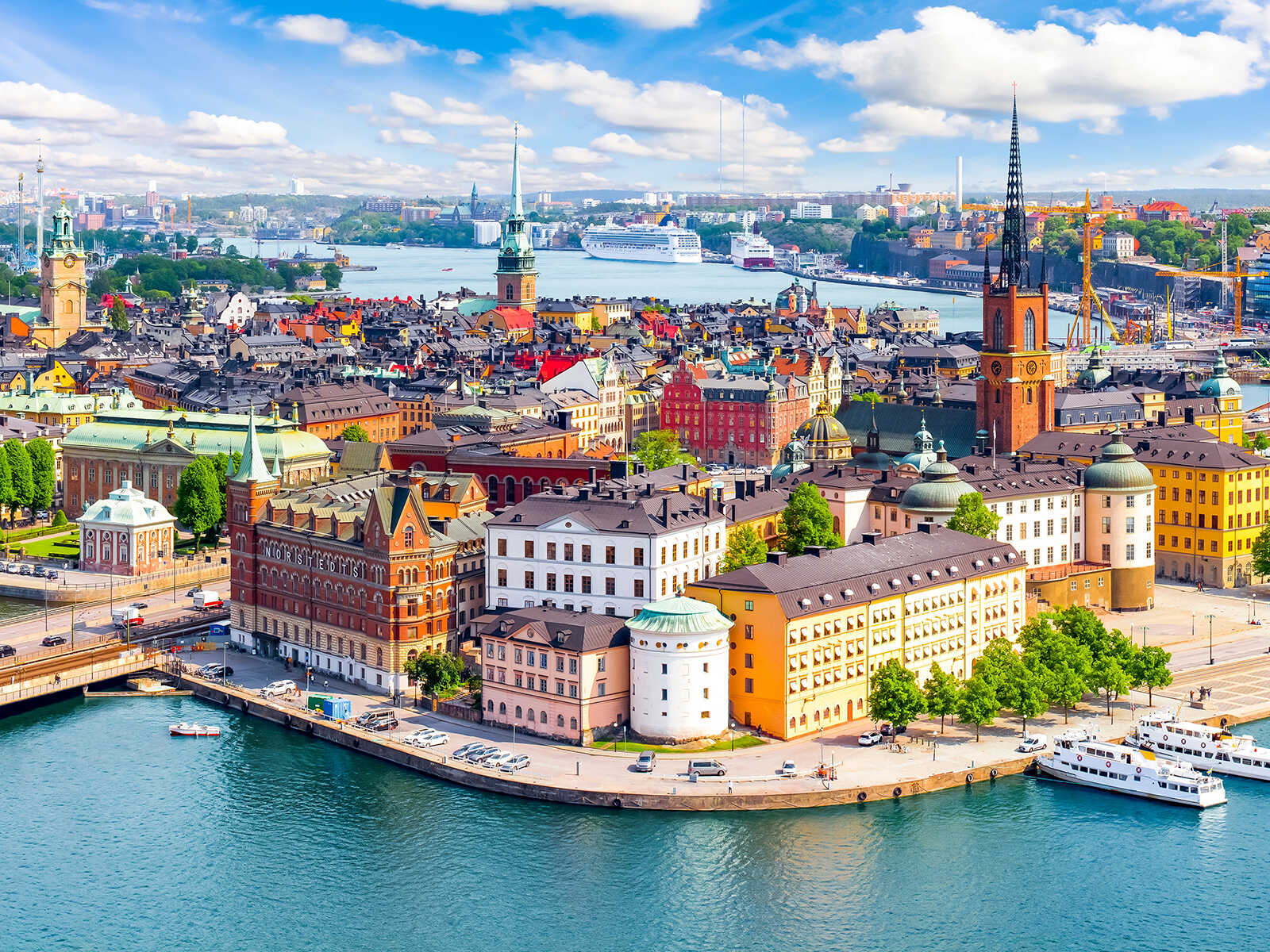
For a different kind of Midsummer, consider venturing into the Stockholm archipelago. Many islands host smaller, more intimate celebrations, or you can simply enjoy the endless evening light from a summer cottage by the sea. While Gamla Stan, Stockholm's old town, is charming, it's generally quieter on Midsummer's Eve as locals head out of the city.
Coastal Celebrations
Along Sweden's extensive coastline, including islands like Gotland, you'll find unique variations.Visby, the medieval town on Gotland, offers a historical backdrop to more relaxed coastal celebrations, sometimes with bonfires (though less common for Midsummer than for Walpurgis Night).
Tips for a Memorable Midsummer
- Book Accommodation Early:Midsummer is a hugely popular holiday, and many Swedes travel. If you plan to stay outside major cities, secure your lodging well in advance.
- Dress Comfortably and Festively:Light, summery clothing is standard. Many Swedes wear floral patterns, and a flower wreath is the perfect accessory.
- Embrace the Outdoors:Most celebrations happen outside. Be prepared for any weather, but hope for sunshine!
- Learn a Few Swedish Phrases:"Glad Midsommar!" (Happy Midsummer!) is essential. Learning a few lines of "Små Grodorna" will earn you extra points.
- Travel Smart:Roads can be busy on Midsummer's Eve as people head to their celebrations. Public transport schedules may also differ. Plan your journey accordingly.
- Respect Local Customs:Join in with enthusiasm, but always be mindful and respectful of the traditions and the local community.
Embrace the Magic of the Longest Day
Swedish Midsummer is more than just a public holiday; it's a profound cultural experience that encapsulates the Swedish spirit of connection to nature, community, and joy. From dancing around the flower-adorned pole to savoring fresh strawberries under a sky that never truly darkens, it's a celebration of light, life, and the sheer beauty of the Nordic summer. Prepare to be enchanted by the warmth, merriment, and unique magic of Sweden's longest day.