
Swedish Midsummer: Traditions & Where to Celebrate
Swedish Midsummer is arguably the most cherished holiday in Sweden, a vibrant celebration marking the summer solstice and the arrival of long, light-filled days. It's a time when Swedes flock to the countryside to embrace age-old traditions, from dancing around a maypole to feasting on seasonal delicacies. If you're planning to experience this magical time, here's everything you need to know.
What is Midsummer? A Brief Overview
Midsummer (Midsommar in Swedish) is an ancient festival deeply rooted in pagan traditions, celebrating the longest day of the year and the fertility of nature. While the summer solstice officially falls around June 20th or 21st, Swedish Midsummer is always celebrated on a Friday between June 19th and June 25th, with the following Saturday being Midsummer's Day. For many, it's a more significant holiday than Christmas, a time for family, friends, food, and the sheer joy of summer.
The essence of Midsummer lies in its connection to light and nature. After a long, dark winter, the endless daylight of summer is a cause for profound celebration, creating an atmosphere of pure bliss and communal festivity.
The Core Traditions of Swedish Midsummer
Raising and Dancing Around the Maypole (Midsommarstången)
The absolute centerpiece of any Swedish Midsummer celebration is the Maypole, ormidsommarstången. This tall, leafy pole, decorated with birch leaves, flowers, and ribbons, is raised in an open field, often to the cheers of onlookers. Once erect, people of all ages join hands to dance in circles around it. The most famous and often humorous dance is "Små Grodorna" (The Little Frogs), where participants mimic frogs by squatting and hopping without tails or ears.
The raising of the maypole is a communal effort, symbolizing fertility and new growth, and the dances are simple, inclusive, and designed for collective joy rather than intricate choreography. It's a truly heartwarming spectacle.
The Midsummer Feast (Midsommarbordet)
No Swedish celebration is complete without an elaborate feast, and Midsummer is no exception. Themidsommarbordetis a spread of classic Swedish summer dishes, often enjoyed outdoors, weather permitting. Key components include:
- Pickled Herring (Sill):Served in various marinades – mustard, dill, onion, garlic, or even curry. It’s a foundational dish.
- New Potatoes:Boiled and often seasoned with fresh dill, served with sour cream and chives.
- Gravlax or Smoked Salmon:Another popular fish dish.
- Meatballs (Köttbullar):A perennial favourite, especially for children.
- Crispbread (Knäckebröd):Always on the table.
- Cheese, Salads, and Fresh Vegetables:To round out the meal.
- Strawberries:The undisputed king of Midsummer dessert. Fresh Swedish strawberries with cream are a must, often accompanied by a strawberry cake.
Adults often accompany the meal with beer and snaps (aquavit), a potent spiced spirit. Each shot of snaps is typically preceded by asnapsvisa, a traditional drinking song, which adds to the festive and often boisterous atmosphere.
Floral Wreaths and Flower Power
Flowers play a significant role in Midsummer traditions. Women and children (and increasingly men) weave beautiful flower crowns (blomsterkransar) to wear in their hair. These crowns, made from freshly picked wildflowers and birch leaves, are not just decorative but carry symbolic weight, connecting wearers to nature and the season's bounty.
A charming Midsummer tradition dictates that single women should pick seven different types of wildflowers in silence and place them under their pillow on Midsummer's Eve. Legend says this will allow them to dream of their future spouse.
The entire setting, from tables to homes, is often decorated with flowers and birch branches, bringing the essence of summer indoors.
Bonfires and Nightless Nights (in some regions)
While bonfires are more commonly associated with Walpurgis Night (Valborg), some regions, particularly along the coasts, may still light smaller bonfires on Midsummer's Eve. However, the true magic of Midsummer, especially in central and northern Sweden, is the phenomenon of the "white nights." The sun barely dips below the horizon, bathing the landscape in an ethereal twilight, making for an unforgettable experience.
Where to Celebrate Swedish Midsummer
Midsummer is a nationwide celebration, and you'll find festivities almost everywhere. However, some places offer a particularly authentic or accessible experience.
Traditional Celebrations in Rural Settings
For the most traditional and authentic Midsummer experience, head to the Swedish countryside. Dalarna, in particular, is often considered the heartland of Swedish Midsummer. Villages like Leksand, Rättvik, and Mora are famous for their elaborate celebrations, often featuring traditional folk costumes, large maypoles, and lively music. These events are deeply rooted in local community, offering a genuine glimpse into Swedish culture.
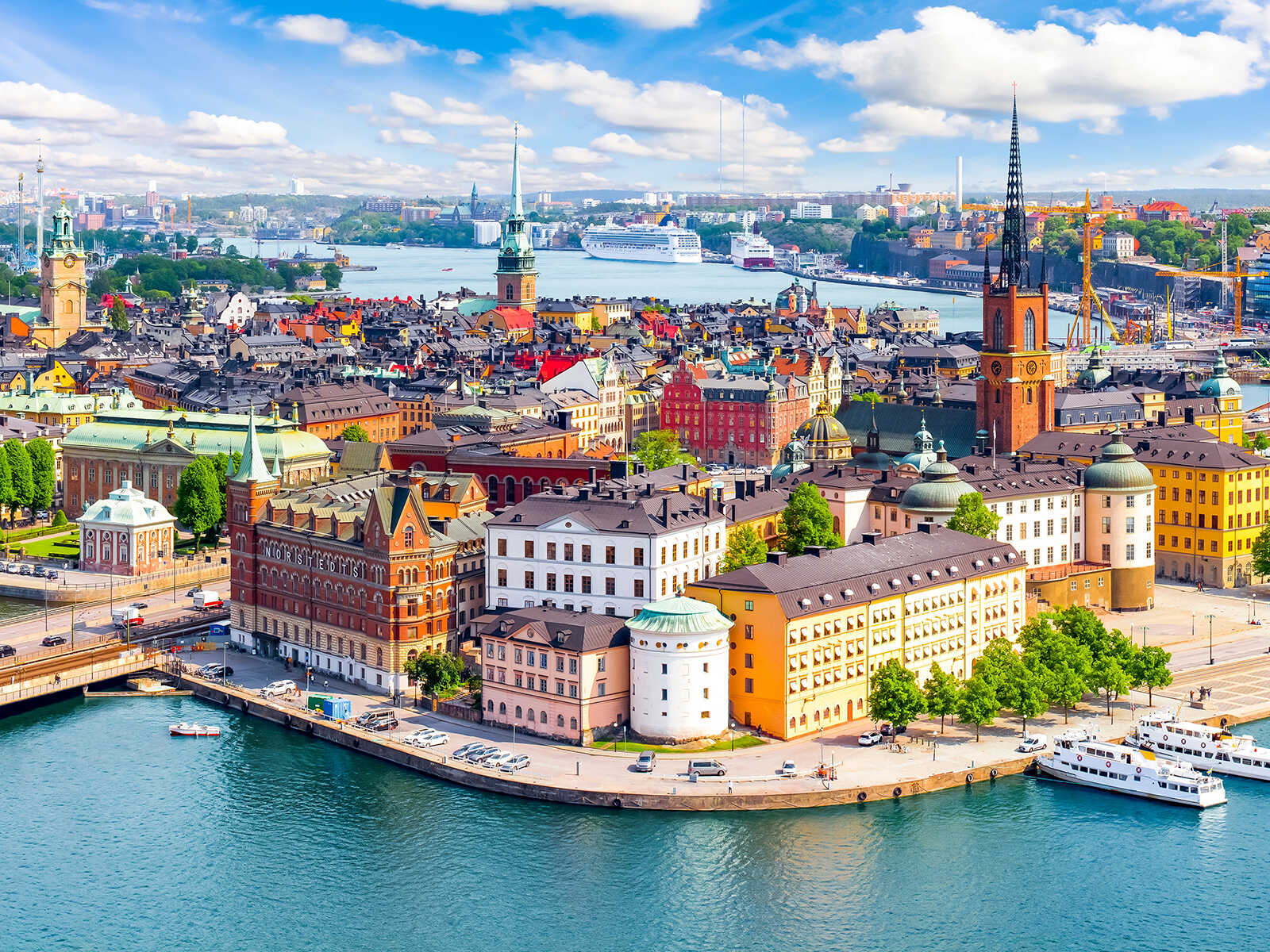
Midsummer in Stockholm and Surroundings
If you're based in the capital, you still have excellent options for celebrating Midsummer without venturing too far.
- Skansen:Stockholm's open-air museum and zoo hosts one of the largest and most beloved Midsummer celebrations. It's an ideal place to experience all the traditional festivities – maypole raising, folk dancing, music, and food – in a beautiful, historical setting. It's highly recommended for first-time visitors.
- Stockholm archipelago:Many islands in the Stockholm archipelago host their own local celebrations. Taking a ferry out to an island like Vaxholm, Grinda, or Sandhamn offers a picturesque and often more intimate experience, combining maritime charm with Midsummer joy.
- Local Parks:Smaller public parks in and around Stockholm will often have their own, more low-key, maypole celebrations.
Other Notable Regions and Towns
- Gotland:The island of Gotland, with its medieval town of Visby, offers a unique backdrop for Midsummer. While Visby itself is vibrant, local celebrations in smaller villages across the island provide a charming experience.
- Sigtuna:Sweden's oldest town,Sigtuna, just north of Stockholm, often hosts family-friendly Midsummer events, perfect for those seeking a blend of history and tradition.
- Across Sweden:From small villages to larger towns, you'll find local celebrations. The best way to find them is often to ask locals or check municipal websites closer to the date.
Tips for Joining a Celebration
- Book Accommodation Early:Midsummer is a very popular time, especially in rural areas and the archipelago. Hotels and guesthouses can fill up months in advance.
- Plan Transportation:Public transport schedules can be reduced over the holiday weekend, and roads to popular rural spots can get busy.
- Dress for the Weather:Despite being summer, Swedish Midsummer weather can be unpredictable. Be prepared for sunshine, but also for rain and cooler temperatures. Layers are key!
- Embrace the Spirit:Don't be shy! Participate in the dances, try the food, and learn a few Swedish phrases like "Glad Midsommar!" (Happy Midsummer!).
- Bring Flowers:If you want to make your own flower crown, consider picking flowers beforehand or bringing some from a market.
What to Expect: Atmosphere and Etiquette
Midsummer is a joyful, relaxed, and often boisterous affair. It's very family-friendly, with children happily running around. While adults might enjoy their snaps, the focus remains on communal enjoyment and celebrating the season. Swedes are generally happy to share their traditions, so don't be afraid to join in. A good-natured attitude and a willingness to participate are all you need.
A Note on the Weather
While the days are long, Midsummer isn't always scorching hot. Average temperatures can range from 15-22°C (59-72°F), but rain showers are not uncommon. Being prepared with a light jacket or umbrella will ensure nothing dampens your spirits.
Plan Your Midsummer Adventure
Experiencing Swedish Midsummer is an unforgettable journey into the heart of Swedish culture and the pure joy of summer. Whether you choose a grand celebration at Skansen, a quaint village gathering in Dalarna, or an island escape in the Stockholm archipelago, you're sure to create lasting memories. So pack your bags, prepare for endless daylight, and get ready to dance like a little frog!