
Swedish Culture: Traditions, Customs & Etiquette for Travelers
Venturing into Sweden offers a captivating journey through stunning landscapes and vibrant cities. To truly immerse yourself and make the most of your trip, understanding the rich tapestry of Swedish culture, its traditions, and social etiquette is invaluable. This guide will help you navigate Swedish customs with confidence and respect.
The Essence of Swedish Culture
Swedish culture is deeply rooted in principles of equality, modesty, and respect for nature. These values permeate daily life and social interactions.
Lagom: The Art of Just Enough
Perhaps the most quintessential Swedish concept islagom. It translates loosely to "just enough," "in moderation," or "not too much, not too little." Lagom is a philosophy that influences everything from design and consumption to work-life balance and social behavior. It encourages sustainability, modesty, and finding a happy medium in all aspects of life.
Jantelagen: The Law of Jante
While not a formal law,Jantelagen(the Law of Jante) is a sociological concept that subtly discourages individual boasting or standing out from the crowd. It emphasizes collective well-being over individual achievement and promotes humility and equality. While its influence has softened in modern Sweden, a general aversion to ostentation and self-promotion still exists.
Equality and Respect
Sweden is renowned for its commitment to equality, not just between genders but across all demographics. This translates into respectful interactions, a flat hierarchy in workplaces, and a general expectation of fairness. Travelers will notice a high degree of orderliness and a strong sense of community responsibility.
Connection to Nature
Swedes have a profound connection to nature, often spending significant time outdoors regardless of the season. The concept ofallemansrätten(the freedom to roam) allows everyone to access and enjoy natural landscapes, provided they "don't disturb, don't destroy." This respect for the environment is deeply ingrained and reflected in sustainable practices throughout the country. You can experience this connection firsthand by exploring areas like the Stockholm archipelago or one of Sweden's many national parks.
Social Etiquette & Interactions
Understanding basic social customs will ensure smoother and more enjoyable interactions with locals.
Greetings and Personal Space
- Handshakes:A firm handshake is the standard greeting when meeting someone new, both socially and professionally. Maintain eye contact.
- Personal Space:Swedes generally value personal space. Avoid standing too close or making excessive physical contact with strangers.
- Introductions:When introducing yourself, state your first name. Formal titles are rarely used outside of very specific professional contexts.
Punctuality is Key
Punctuality is highly valued in Sweden. Whether it's a social gathering or a business meeting, arriving on time (or even a few minutes early) is expected. If you anticipate being late, always inform the other party as soon as possible.
Conversation Styles
Swedes tend to be direct and honest in their communication but can also be reserved. Small talk might not be as prevalent as in some other cultures. Listen attentively, avoid interrupting, and don't be afraid of silences, which are often not seen as awkward but as reflective pauses. Topics like politics, religion, or personal finances are generally avoided in initial conversations.
Dining Etiquette
- Table Manners:Keep your hands visible (but not elbows on the table). Wait for the host to say "Smaklig måltid!" (Enjoy your meal!) before starting.
- Toasts (Skål!):If you're at a dinner party, a toast (skål!) is common. Make eye contact with everyone you're toasting before and after taking a sip.
- Offering to Pay:If invited to a restaurant, it's polite to offer to pay, but the inviter will usually insist on treating. If out with friends, splitting the bill is common.
Tipping Culture
Tipping is not as deeply ingrained or expected as in some other countries. Service charges are usually included in the bill. For good service, rounding up the bill or adding 5-10% is appreciated but entirely optional.
Key Swedish Traditions & Celebrations
Experiencing these traditions offers a wonderful insight into Swedish life.
Fika: More Than Just a Coffee Break
Fikais a cornerstone of Swedish culture. It's not just a coffee break; it's a social institution – a moment to pause, enjoy coffee (or tea) and pastries (like a cinnamon bun, orkanelbulle), and socialize with colleagues, friends, or family. Fika promotes connection and relaxation and is an essential part of the Swedish workday and social life. You can enjoy fika virtually anywhere, from a cozy café in Gamla Stan to a scenic spot in the countryside.
Did you know?Swedes are among the world's biggest coffee consumers, and fika plays a significant role in this!
Midsummer (Midsommar)
Midsummer is arguably the most celebrated holiday in Sweden, marking the summer solstice. It's a joyful occasion, typically celebrated outdoors with family and friends. Traditions include dancing around a maypole, singing traditional songs, wearing flower wreaths, and enjoying herring, new potatoes, and strawberries. The celebrations often last late into the bright Nordic night. Many towns, including open-air museums like Skansen in Stockholm, host public Midsummer festivities.
Lucia (St. Lucy's Day)
Celebrated on December 13th, Lucia brings light to the darkest time of the year. Processions led by a 'Lucia' (a girl wearing a white gown and a crown of candles) sing traditional songs. This beautiful, atmospheric tradition is observed in schools, churches, and workplaces across the country.
Christmas (Jul)
Swedish Christmas traditions include Advent calendars, gingerbread cookies, saffron buns, and a traditional Christmas Eve dinner featuring ham, lutfisk, and various cold dishes. Families often gather to watch Donald Duck cartoons on Christmas Eve!
Crayfish Parties (Kräftskiva)
A fun and uniquely Swedish tradition, crayfish parties take place in August. Friends and family gather outdoors, adorned with paper hats and lanterns, to feast on crayfish, often accompanied by schnapps and lively singing. It’s a delightful way to celebrate the end of summer.
Practical Tips for Travelers
A few practical considerations will enhance your travel experience.
- Cashless Society:Sweden is rapidly becoming a cashless society. Many places, especially in urban areas, prefer card payments or even accept only cards. It's wise to carry a debit or credit card.
- Public Transport:Swedish public transport is highly efficient, punctual, and clean. It’s an excellent way to get around cities like Stockholm, where you can easily reach attractions like the Vasa Museum or Drottningholm Palace.
- Alcohol Purchases:Alcohol stronger than 3.5% ABV can only be purchased at state-run Systembolaget stores, which have restricted opening hours. You must be 20 years old to buy alcohol there.
- Sustainability:Sweden is very environmentally conscious. Embrace recycling, conserve energy, and respect natural environments.
- Language:English is widely spoken, especially by younger generations and in tourist areas. However, learning a few basic Swedish phrases like "Hej" (Hello), "Tack" (Thank you), and "Ursäkta" (Excuse me) will be appreciated.
Exploring Swedish Heritage
To truly appreciate Swedish culture, consider visiting some of its iconic sites:
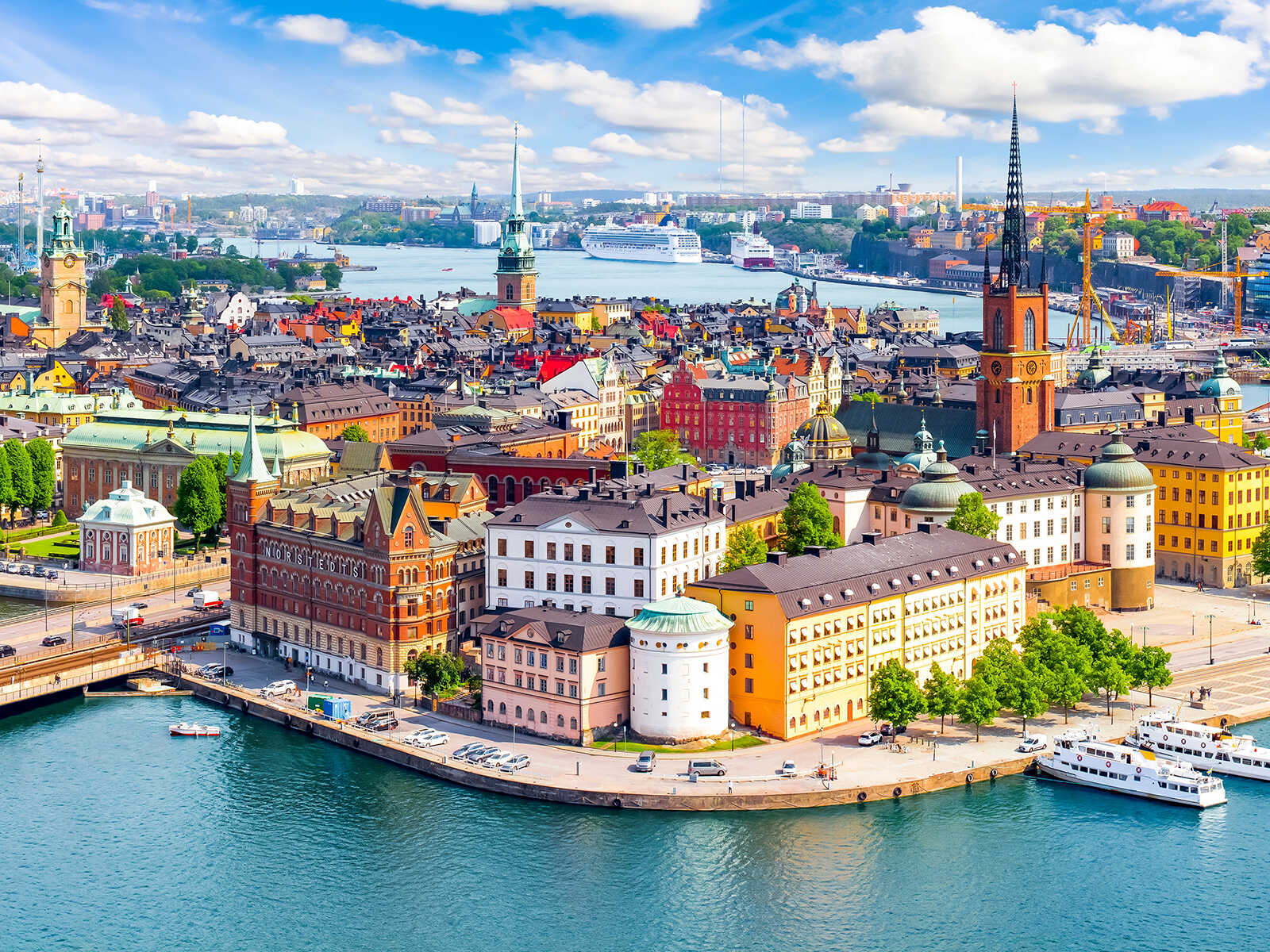
- For a journey back in time, wander through the cobblestone streets of Gamla Stan, Stockholm's charming old town.
- Experience traditional Swedish life and observe historical buildings at Skansen, the world's first open-air museum.
- Delve into Viking history and ancient roots by visiting Sigtuna, Sweden's oldest town.
- Discover a unique UNESCO World Heritage site at Gammelstad Church Town, a well-preserved example of a church town in northern Sweden.
- Marvel at the incredibly preserved 17th-century warship at the Vasa Museum.
- Explore the royal residence of Drottningholm Palace, another UNESCO World Heritage site, showcasing Swedish royal history and architecture.
By embracing these traditions and customs, you'll not only have a more authentic and respectful travel experience but also gain a deeper appreciation for the unique charm of Sweden and its people. Enjoy your cultural journey!