
Swedish Culture: Lagom, Fika Tradition & Social Norms
Sweden, a nation celebrated for its stunning landscapes and innovative spirit, offers visitors a unique cultural tapestry woven with distinctive traditions and social norms. Understanding key concepts likeLagomand the cherishedFikatradition is essential to truly appreciate the Swedish way of life and connect authentically with its people.
Lagom: The Philosophy of Just Enough
At the heart of Swedish culture liesLagom(pronounced "lah-gom"), a concept that defies direct translation but embodies the principle of "just enough," "not too much, not too little," or "in moderation." It's a philosophy that permeates every aspect of Swedish society, from design and consumption to work-life balance and social interaction.
Embracing Balance and Moderation
- Work-Life Harmony:Lagom encourages a healthy balance between professional responsibilities and personal life, leading to a focus on efficiency during work hours and ample time for leisure and family.
- Sustainable Living:This philosophy naturally extends to environmental consciousness. Swedes often prioritize sustainability, recycling, and responsible consumption, reflecting a desire for balance with nature. Many Swedes enjoy connecting with nature, whether it's hiking in Abisko National Park or exploring the vast wilderness of Sarek National Park.
- Design and Aesthetics:Swedish design is renowned for its functional simplicity and understated elegance, a direct manifestation of Lagom. It’s about creating beautiful, practical spaces without excess.
- Social Interactions:In social settings, Lagom translates to avoiding extremes. Swedes typically value modesty, humility, and equality, shying away from overt bragging or excessive displays.
Tip:To experience Lagom, observe the understated elegance in Swedish homes and public spaces, and notice the prioritization of efficiency and moderation in daily routines. It’s about finding a comfortable middle ground in all things.
Fika: More Than Just a Coffee Break
Perhaps the most delightful and accessible aspect of Swedish culture for visitors isFika(pronounced "fee-ka"). Far from being a mere coffee break, Fika is a deeply ingrained social institution – a ritual pause in the day dedicated to connection, conversation, and enjoying a warm beverage with a sweet treat.
The Ritual of Connection
- What it Is:Fika typically involves coffee (though tea or other drinks are common) and a pastry, most famously the cinnamon bun (kanelbulle), often shared with colleagues, friends, or family.
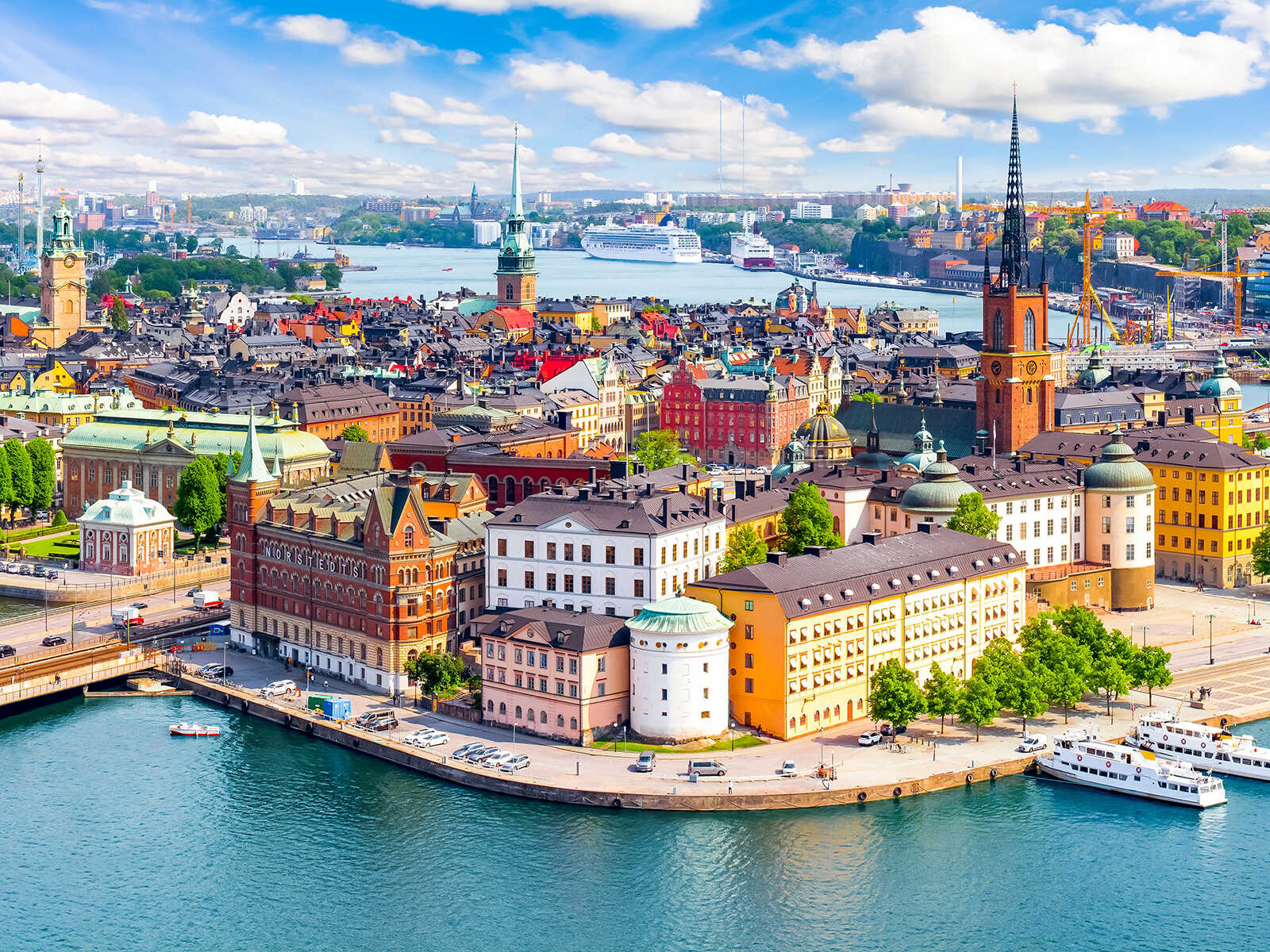
- When it Happens:Fika can occur multiple times a day. It's a structured break in the workplace, a casual catch-up with friends, or a cherished moment with family. You might enjoy a Fika after visiting historical sites like Gamla Stan or exploring the cultural heritage at Skansen.
- Why it Matters:Fika is crucial for building relationships, fostering a sense of community, and de-stressing. It’s a moment to slow down, reflect, and engage in meaningful conversation, reinforcing social bonds and contributing to overall well-being. It embodies the Lagom principle of balancing work with essential social connection.
Fun Fact:Swedes are among the world's biggest coffee drinkers! This high consumption is undoubtedly fueled by the widespread and beloved Fika tradition.
Understanding Swedish Social Norms
Beyond Lagom and Fika, a few key social norms shape interactions in Sweden. Being aware of these can greatly enhance your visit and help you navigate Swedish society with ease.
Punctuality and Directness
- Punctuality:Swedes value punctuality highly. Arriving on time for appointments, meetings, or social gatherings is considered a sign of respect. If you anticipate a delay, it's polite to inform the other party as soon as possible.
- Directness:Swedes are generally direct and straightforward in their communication. This isn't intended as rudeness but rather as efficiency and honesty. They appreciate clear, unambiguous language. Small talk might be less common than in some other cultures, but conversations are often genuine and to the point.
Personal Space and Quiet Respect
- Personal Space:Swedes tend to appreciate personal space. Avoid standing too close to someone during a conversation or touching them unnecessarily. Queuing (lining up) is also an orderly affair, with people maintaining respectful distances.
- Quiet Demeanor:Public spaces in Sweden are often surprisingly quiet. Swedes generally speak softly and avoid loud conversations, especially on public transport or in cafes. This quietness is a form of respect for others' peace and privacy.
Egalitarianism and Nature Connection
- Egalitarianism:Equality is a cornerstone of Swedish society, encompassing gender equality, social equality, and a general lack of ostentation. The informal "du" (you) form is used universally, regardless of age or status, reflecting this egalitarian spirit.
- Law of Jante (Jantelagen):While not an official law, the "Law of Jante" is a cultural code of conduct emphasizing collective well-being over individual achievement. It discourages bragging or thinking you are better than others, reinforcing humility and modesty.
- Nature Connection (Allemansrätten):The "Right of Public Access" (Allemansrätten) is enshrined in Swedish law, allowing everyone to roam freely across most land, even private land, provided they do not disturb or destroy. This fosters a deep connection to nature, evident in the popularity of outdoor activities and the pristine state of areas like the Stockholm archipelago.
Navigating Swedish Society: Practical Tips for Visitors
To make the most of your cultural immersion in Sweden, keep these practical tips in mind:
- Be Punctual:Always aim to be on time for any scheduled activity or meeting.
- Embrace Fika:Don't miss the opportunity to partake in Fika. It's a fantastic way to connect with locals and experience a vital part of their daily rhythm.
- Respect Personal Space:Give people room and avoid overly boisterous behavior in public.
- Appreciate Directness:Don't be offended by direct communication; it's a cultural trait of honesty.
- Connect with Nature:Take advantage of Allemansrätten. Explore a national park, hike, or simply enjoy a quiet walk.
- Learn a Few Phrases:A simple "Tack" (thank you) and "Hej" (hello) go a long way.
From the minimalist elegance of Lagom to the warm embrace of Fika, Swedish culture offers a thoughtful and balanced approach to life. By understanding and respecting these traditions and social norms, you'll not only enrich your travels but also gain a deeper appreciation for this fascinating Nordic nation. Whether you're exploring the historic streets of Visby or marveling at the unique architecture of the Icehotel, these cultural insights will enhance every moment of your Swedish adventure.