
Getting Around Sweden: A Guide to Transportation Options
Navigating Sweden's vast and varied landscapes, from its bustling cities to the serene Arctic north, is a surprisingly seamless experience thanks to its efficient and well-developed transportation network. Whether you're planning an urban adventure, a coastal escape, or a wilderness expedition, understanding your travel options will ensure a smooth and enjoyable journey across this beautiful Scandinavian nation.
Public Transportation: Your Eco-Friendly Choice
Sweden boasts an excellent public transport system, making it a sustainable and often cost-effective way to travel. From high-speed trains to local buses, you can reach most destinations with ease.
Trains: Connecting the Nation
Trains are a popular choice for intercity travel in Sweden, offering comfort, reliability, and stunning scenic views. The national rail operator, SJ, provides extensive services, including high-speed trains (X2000), regional trains, and comfortable night trains. Booking tickets in advance, especially for popular routes or during peak season, is highly recommended to secure better prices and availability.
- Intercity Routes:Connect major cities like Stockholm, Gothenburg, and Malmö.
- Night Trains:Ideal for long journeys, such as heading north to experience the magic of Swedish Lapland, often serving destinations near Abisko National Park or the Icehotel.
- Regional Lines:Supplement national routes, reaching smaller towns and rural areas.
Consider a Eurail or Interrail Pass if you plan extensive train travel, though individual tickets can be competitive for shorter trips.
Buses: Filling the Gaps
Buses complement the train network, often serving areas not directly accessible by rail or providing more direct routes between certain towns. Companies like FlixBus and Vy bus4you offer long-distance services, while local and regional buses connect smaller communities and act as feeders to train stations.
- Long-Distance Coaches:A budget-friendly alternative for cross-country travel.
- Regional Buses:Essential for exploring the countryside and reaching national parks.
- City Buses:The backbone of urban public transport, running frequently within cities.
Trams and Metro: Urban Mobility
Sweden's larger cities offer excellent local transport networks. Stockholm boasts the Tunnelbana(metro), famous for its "world's longest art gallery" with unique artwork in many stations. Gothenburg and Norrköping operate extensive tram networks, providing an efficient way to navigate these cities.
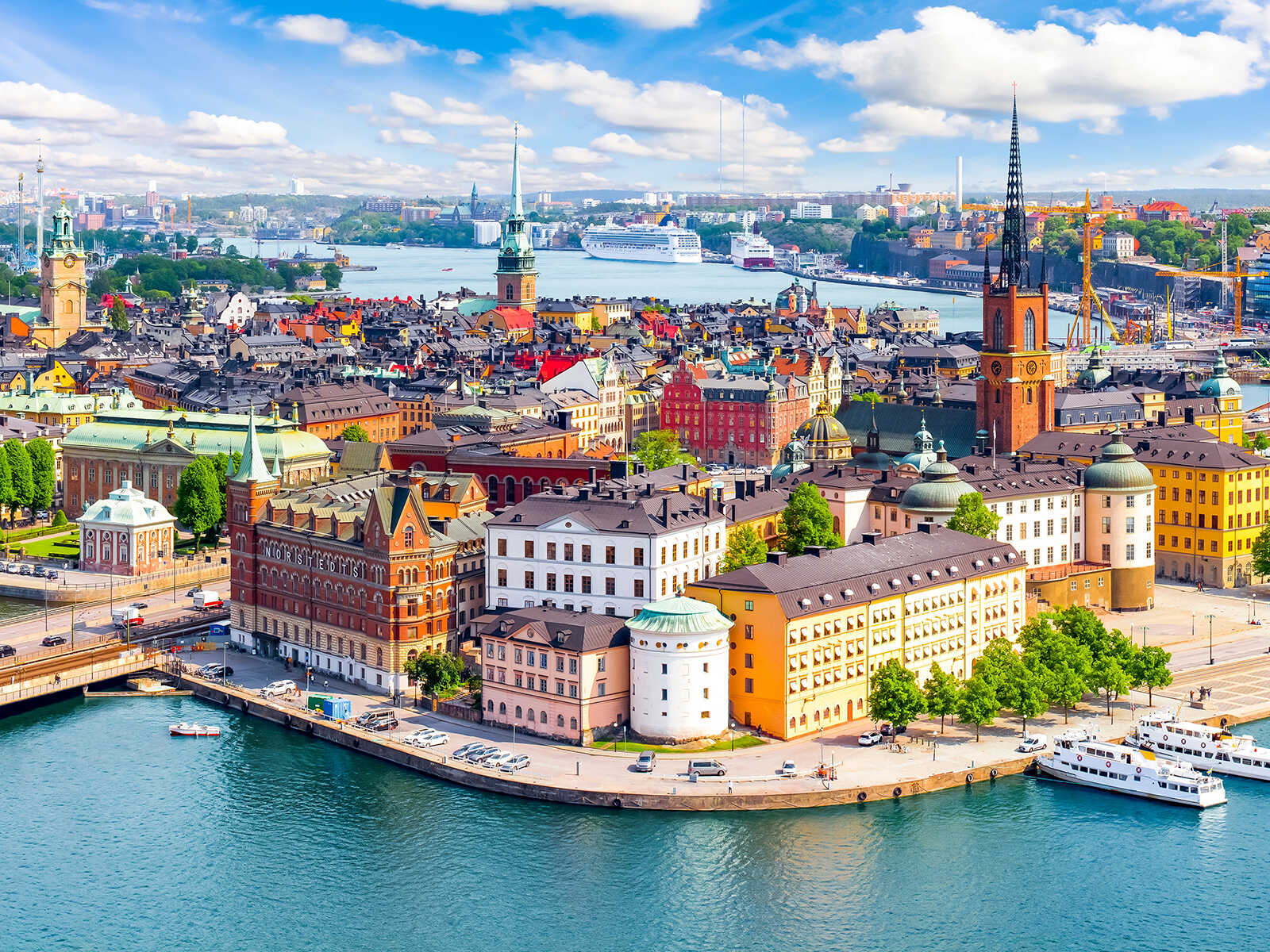
These systems are perfect for reaching popular attractions such as the Vasa Museum, exploring the charming streets of Gamla Stan, or visiting the open-air museum at Skansen. They also connect seamlessly to other transport hubs, making it easy to reach destinations like Drottningholm Palace or the Stockholm City Hall.
Ferries and Boats: Island Hopping and Coastal Charms
Given Sweden's extensive coastline and numerous islands, ferries and boats are an integral part of its transportation system. They are essential for exploring archipelagos and reaching islands.
- Archipelago Ferries:Explore the stunning Stockholm archipelago with regular services to various islands.
- Coastal Routes:Longer ferry routes connect mainland Sweden to islands like Gotland, home to the medieval city of Visby.
- City Ferries:In cities like Stockholm, local ferries are often part of the public transport network, offering scenic commutes.
Travel Tip:Many Swedish public transport systems use a cashless ticketing approach. Purchase tickets via mobile apps, contactless cards, or dedicated travel cards at kiosks. Always check the local transport authority's website (e.g., SL in Stockholm, Västtrafik in Gothenburg) for the latest information.
Driving in Sweden: Freedom and Flexibility
Renting a car offers unparalleled freedom to explore Sweden at your own pace, especially if you plan to venture into more remote areas or visit multiple destinations off the main public transport routes. It's ideal for discovering places like the vast wilderness of Sarek National Park or the ancient stone ship setting of Ales Stenar.
Car Rental
Major international and local car rental companies operate throughout Sweden, with pick-up locations at airports and in city centers. While convenient, be aware that rental costs can be higher than in some other countries, and fuel prices are significant.
- Road Conditions:Roads are generally well-maintained. Outside major cities, traffic is usually light.
- Winter Driving:If traveling in winter (roughly December to March), ensure your rental car has winter tires (often studded) and be prepared for snowy and icy conditions, especially in the north.
Driving Rules & Regulations
Familiarize yourself with Swedish driving laws:
- Drive on the right.
- Headlights must be on at all times, day or night.
- Speed limitsare strictly enforced (generally 50 km/h in urban areas, 70-100 km/h on rural roads, and 110-120 km/h on motorways).
- Alcohol limit:Sweden has a very strict drink-driving limit (0.02% BAC).
- Congestion Charges:Stockholm and Gothenburg operate congestion charges in their city centers on weekdays.
Cycling: An Active Way to Explore
With its beautiful landscapes and commitment to sustainability, Sweden is a fantastic destination for cycling. Many cities are bike-friendly, and there are numerous well-maintained cycling paths.
City Cycling
In cities like Lund, Malmö, and Stockholm, bike lanes are common, and bike rental services are readily available. Cycling is an excellent way to see local sights and immerse yourself in the urban environment, or explore charming smaller towns like Sigtuna.
Long-Distance Routes
For more ambitious cyclists, Sweden offers several scenic long-distance routes, such as the Kattegattleden along the west coast, providing a unique perspective on the country's diverse scenery.
Air Travel: For Distances and Speed
For covering vast distances quickly, especially between the south and the far north, domestic flights are an efficient option. Major airports include Stockholm Arlanda (ARN), Gothenburg Landvetter (GOT), and Malmö Airport (MMX).
- Popular Routes:Stockholm to Kiruna is a common route for those heading to Lapland.
- Considerations:While fast, flying is typically the most expensive option and has a higher carbon footprint.
Taxis & Ride-Sharing: Convenience at a Price
Taxis are readily available in Swedish cities, particularly at airports, train stations, and popular tourist spots. While convenient, they are generally more expensive than public transport. Ride-sharing apps like Uber also operate in major cities like Stockholm, Gothenburg, and Malmö, offering an alternative.
- Reliable Services:Always use reputable taxi companies. Taxi prices are not regulated, so confirm the estimated fare before starting your journey.
Specialized Transportation
Depending on your destination and the season, you might encounter unique forms of transport.
Dog Sledding & Snowmobiles
In the northern regions, particularly during winter, dog sledding and snowmobiles are popular activities and sometimes even a mode of transport, especially around attractions like the Icehotel.
Horse & Carriage
In historical settings such as the Gammelstad Church Town or within the medieval walls of Visby, horse and carriage rides offer a charming and nostalgic way to experience the local heritage.
Fun Fact:Sweden's high latitude means parts of the country experience the Midnight Sun in summer and polar night in winter, which can significantly impact travel plans and activities, especially in the north.
Choosing Your Mode of Transport
When planning your Swedish adventure, consider these factors:
- Budget:Public transport (trains, buses) is generally the most economical. Car rental offers flexibility but comes with higher costs (rental, fuel, parking).
- Time:Flights are fastest for long distances. High-speed trains are efficient for intercity travel.
- Destination:Cities are best explored by public transport, bike, or on foot. Remote areas often require a car. Islands necessitate ferries.
- Season:Winter travel to the north might involve specialized transport like snowmobiles.
Sweden's comprehensive and efficient transportation network ensures that whether you're chasing the northern lights, exploring ancient castles like Kalmar Castle, or simply enjoying the urban buzz, you'll find a convenient way to reach your destination. Plan ahead, embrace the journey, and prepare for an unforgettable Swedish experience!