
Unique Things to Do in Suriname: Off-the-Beaten-Path Experiences
Suriname, a vibrant tapestry of cultures and untamed rainforest, remains one of South America's best-kept secrets. For the intrepid traveler seeking genuine immersion and unparalleled natural beauty away from crowded tourist trails, this Dutch-speaking gem offers a wealth of truly unique experiences.
Beyond the charming colonial architecture of its capital, Paramaribo, lies a vast interior brimming with ancient traditions, diverse ecosystems, and adventures waiting to be discovered. Prepare to delve into a country where indigenous and Maroon communities thrive, where rivers are highways, and where the Amazon rainforest reveals its most spectacular secrets.
Journeying into the Maroon Interior: A Cultural Immersion
One of Suriname's most profound and unique offerings is the opportunity to connect with its Maroon communities. Descendants of enslaved Africans who escaped plantations and established independent societies deep in the rainforest, the Maroons have preserved rich cultural traditions, languages, and ways of life.
Village Stays and River Expeditions
Forget typical resorts; instead, opt for a guided multi-day trip up the Suriname River or Cottica River. These expeditions typically involve staying in guesthouses within traditional Maroon villages, such as those of the Saramaccaner or Aucaner people. Here, you can:
- Witness traditional woodcarving and textile artistry.
- Learn about Maroon history and their struggle for freedom.
- Experience local cooking and enjoy authentic Surinamese meals.
- Participate in river activities like swimming or paddling in a dug-out canoe (korjaal).
- Enjoy evenings filled with storytelling, drumming, and dance, often by firelight.
These experiences offer an invaluable insight into a living culture that has maintained its heritage against all odds, providing a truly off-the-beaten-path cultural exchange.
Travel Tip:When visiting Maroon communities, always go with a reputable local guide. Respect local customs and traditions, and ask permission before taking photographs of people.
Untamed Rainforest Adventures: Beyond the Trails
Suriname boasts one of the highest percentages of forest cover in the world, making it a prime destination for eco-tourism. While Brownsberg Nature Park is a popular and accessible rainforest experience, venturing deeper offers even more exclusive encounters.
Wildlife Tracking in Remote Reserves
For serious wildlife enthusiasts, consider a trip to more remote reserves like the Central Suriname Nature Reserve, a UNESCO World Heritage site. Access is often by small plane or a combination of river and jeep, leading to lodges deep within pristine primary forest. Here, the chances of spotting elusive creatures like jaguars, giant river otters, tapirs, and numerous monkey species are significantly higher.
- Night Walks:Explore the jungle after dark to encounter nocturnal creatures, from various frog species to kinkajous and caimans.
- Birdwatching:Suriname is a birder's paradise, home to vibrant macaws, toucans, and the national bird, the Guianan cock-of-the-rock.
- Canopy Tours:Some lodges offer canopy walkways or ziplines, providing a unique perspective of the rainforest ecosystem from above.
These adventures require a spirit of adventure and a willingness to embrace basic accommodations, but the rewards of untouched nature are immense.
Coastal Conservation and Turtle Nesting
Suriname’s coastline, particularly the eastern parts, is crucial for several species of sea turtles. While Galibi is the most well-known nesting site, focusing on the broader conservation efforts adds a unique dimension to the visit.
Witnessing Sea Turtle Nesting in Galibi
During nesting season (typically February to August, with peak months from April to June), a trip to the Galibi Nature Reserve at the mouth of the Marowijne River is unforgettable. Here, you can witness four species of sea turtles – the giant leatherback, green, olive ridley, and hawksbill – come ashore to lay their eggs. This natural spectacle is closely monitored by local indigenous Carib communities who play a vital role in conservation.
It's an emotionally powerful experience to watch these ancient mariners continue their life cycle, highlighting Suriname's commitment to protecting its natural heritage.
Exploring Plantation History in Commewijne
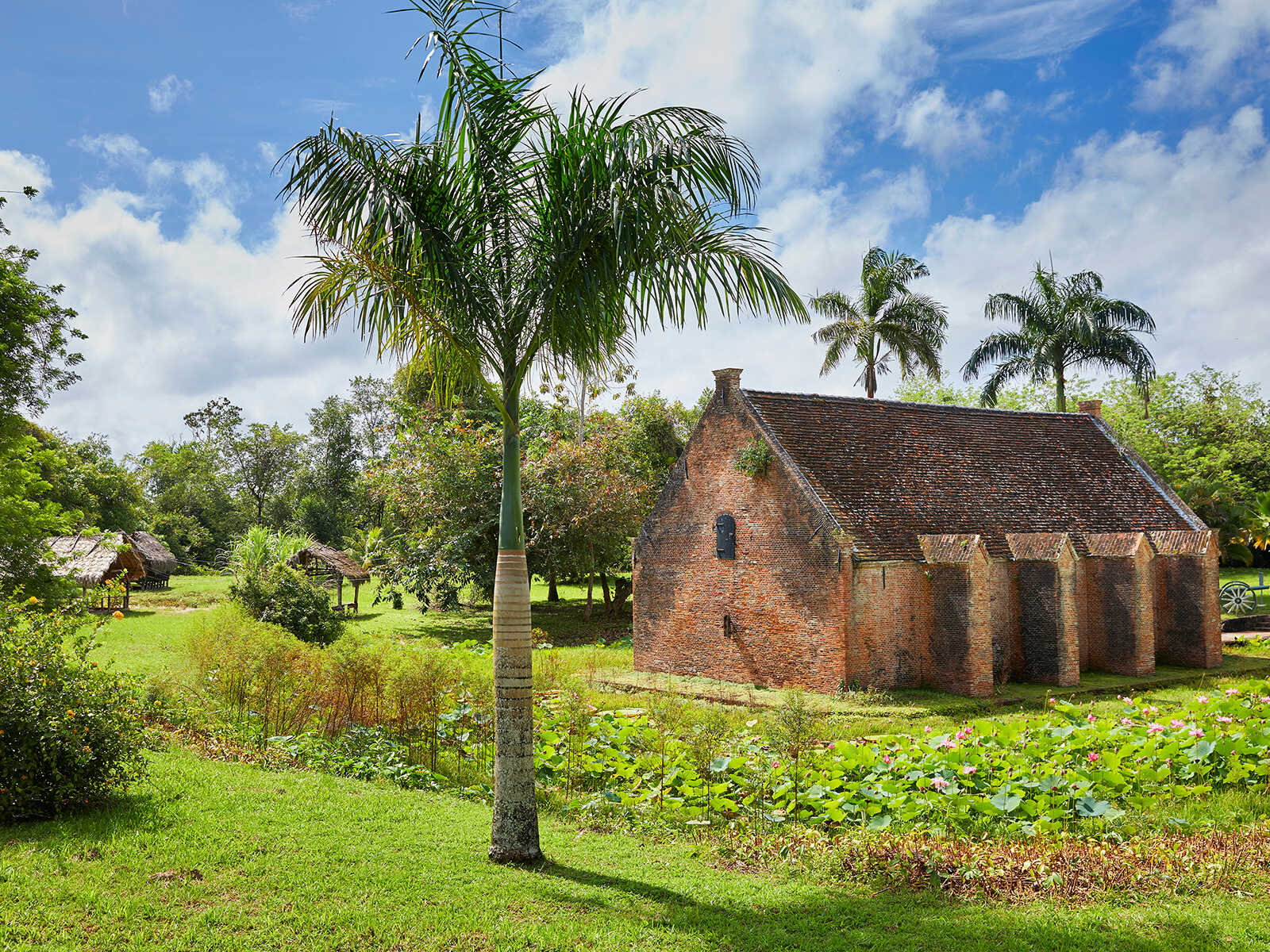
Just a short ferry ride or car trip from Paramaribo, the Commewijne district offers a fascinating glimpse into Suriname's colonial past and its impact on the landscape. Unlike visiting a single museum, exploring Commewijne is an immersive journey through history.
Cycling Through Historical Plantations
Rent a bicycle and spend a day cycling along the dikes that crisscross the former plantations. Many old plantation houses and factories still stand, some beautifully restored, others slowly reclaimed by nature. You can visit:
- Mariënburg:A former sugar factory and plantation, offering a poignant look at industrial slavery.
- Peperpot Nature Park:A former coffee and cocoa plantation now transformed into a accessible nature park, perfect for birdwatching and spotting monkeys, with remnants of its agricultural past still visible.
The flat terrain makes cycling enjoyable, and the blend of history, culture, and nature along the Commewijne River is truly distinctive.
Paramaribo's Lesser-Known Gems and Culinary Diversity
While the UNESCO-listed historic inner city of Paramaribo is a must-see, don't miss its less-trodden paths and vibrant culinary scene, which truly reflect Suriname's multicultural fabric.
Beyond the Historic Core
Explore the unique religious harmony by visiting the S.I.V. Mosque and the Neveh Shalom Synagogue, famously standing side-by-side. Wander through local markets, not just for souvenirs, but to experience the daily life and diverse produce. While the Palmtree Garden offers a tranquil escape, venturing into neighborhoods like Kwatta or Rainville reveals more local eateries and everyday life.
A Culinary Journey for the Senses
Surinamese cuisine is a delicious fusion of Hindustani, Javanese, Creole, Chinese, and Indigenous flavors. Beyond restaurants, seek out:
- Warungs:Traditional Javanese eateries serving dishes likesaoto soupandbami/nasi goreng.
- Roti Stalls:Sample authentic Indian-Surinamese roti with various curries.
- Street Food:Try local snacks likebara(fried savory dough) or fresh fruit juices from roadside vendors.
The sheer variety and quality of the food reflect Suriname's rich history of immigration and cultural exchange, making every meal an adventure.
Suriname offers an unparalleled opportunity to step away from mass tourism and engage with a country that cherishes its natural beauty and diverse heritage. From the rhythmic sounds of Maroon villages deep in the rainforest to the poignant history of its plantations and the vibrant flavors of its capital, unique experiences await at every turn. Embrace the journey, and Suriname will undoubtedly leave an indelible mark on your soul.
For more insights into Paramaribo's historical sites, consider visiting Fort Zeelandiaweg or admiring the stunning architecture of the Saint-Peter-and-Paul Basilica of Paramaribo.