
Understanding Suriname's Multi-Cultural Heritage: A Guide for Visitors
Suriname, a small nation nestled on the northeastern coast of South America, offers a cultural experience unlike any other. Its unique history has forged a remarkable mosaic of traditions, languages, and cuisines, making it a truly captivating destination for curious travelers seeking authentic cultural immersion.
A Tapestry Woven by History: Suriname's Diverse Origins
Suriname's rich cultural fabric is a direct result of its complex colonial past. Originally inhabited by indigenous peoples, the country became a Dutch colony relying heavily on enslaved African labor for its lucrative plantation economy. Following the abolition of slavery, indentured laborers were brought in from British India, the Dutch East Indies (Java), and China, each group contributing distinct elements to the Surinamese identity. This historical migration created a society where multiple ethnic groups live side-by-side, preserving their ancestral traditions while also contributing to a uniquely Surinamese way of life.
The Foundation: Indigenous Peoples
The original inhabitants of Suriname, including the Arawak, Carib, Trio, and Wayana peoples, have a deep spiritual connection to the land and its vast rainforests. While their numbers are smaller today, their influence is still felt, particularly in the interior, where their knowledge of the Amazonian ecosystem and traditional crafts remain vital. Visitors can learn about their ancient customs and respect their way of life, which often prioritizes communal living and sustainable practices.
Afro-Surinamese: Creole and Maroon Cultures
Descendants of enslaved Africans form a significant part of Suriname's population, broadly categorized into two distinct groups:
- Creole:Primarily concentrated in urban areas like Paramaribo, Creole culture is a vibrant blend of African, European, and indigenous influences. Their contributions are evident in music (kaseko), dance, language (Sranan Tongo), and cuisine, forming a dynamic urban identity. Festivals like Keti Koti (Emancipation Day) are central to Creole heritage, celebrating freedom and resilience.
- Maroon:These are the descendants of enslaved Africans who escaped into the dense rainforests centuries ago, establishing independent communities and fiercely preserving their West African traditions. Groups like the Saramaka, Ndyuka, Matawai, and Kwinti live along the rivers, maintaining distinct languages, intricate wood carvings, textiles, and social structures. Experiencing Maroon culture often involves traveling deep into the interior, offering a glimpse into a remarkably resilient way of life.
East Indians (Hindustani): A Taste of India
The largest ethnic group in Suriname, the Hindustanis, are descendants of indentured laborers brought from British India starting in 1873. They brought with them Hinduism, Islam, Bhojpuri language (Sarnami HIndustani), and a rich culinary tradition. Their vibrant festivals, such as Phagwah (Holi) and Divali, are celebrated with enthusiasm across the country. The former plantations in areas like Commewijne showcase their historical presence and enduring agricultural legacy.
Javanese: Indonesian Influence
From the late 19th to early 20th century, indentured laborers from the Dutch East Indies (present-day Indonesia) arrived, primarily from the island of Java. The Javanese community has enriched Suriname with its unique cuisine (like nasi goreng and bami), traditional batik art, gamelan music, and the Javanese language. Their culture adds a distinctly Southeast Asian flavor to the Surinamese mosaic, particularly evident in specialized restaurants and cultural events.
Chinese: Entrepreneurship and Culinary Delights
Chinese immigrants first arrived in Suriname in the mid-19th century, initially as indentured laborers and later as free migrants. Today, they are a prominent force in business, trade, and especially, cuisine. Chinese restaurants are ubiquitous, offering a taste of Cantonese, Hakka, and other regional Chinese dishes that have become integral to the Surinamese diet. The Lunar New Year is also celebrated with dragon dances and firecrackers, adding to the nation's festive calendar.
Europeans and Others: Colonial Legacy and Modern Contributions
The Dutch colonialists left an indelible mark on Suriname, from the official language to the architectural style of Paramaribo's historic city center. The city's UNESCO World Heritage status is a testament to this unique blend of Dutch colonial architecture with local materials and techniques. Other European groups, including Portuguese and Jewish settlers, also contributed to the country's early development and cultural landscape. Paramaribo's Saint-Peter-and-Paul Basilica of Paramaribo and the nearby synagogue are prime examples of this historical European presence.
Smaller groups, such as the Lebanese and Brazilians, also add to the ongoing evolution of Suriname's cultural identity, particularly in trade and commerce.
Experiencing the Cultural Mosaic: A Visitor's Guide
Suriname's multiculturalism is not just a historical fact; it's a living, breathing reality that visitors can immerse themselves in.
Culinary Adventures
Surinamese cuisine is arguably the best way to experience its cultural fusion. Imagine a plate with Javanese noodles, Indian roti, Creole pom, and Chinese fried rice all sharing a table. From street-side vendors to upscale restaurants, the food scene is an incredible journey for the taste buds. Don't miss out on dishes likeroti(Indian flatbread with curry),pom(Creole chicken and tayer root casserole),moksi alesi(mixed rice), and Javanesesaoto soup.
Festivals and Celebrations
Throughout the year, Suriname bursts with festivals reflecting its diverse population. Witness the vibrant colors of Phagwah (Holi) or the solemnity of Eid al-Fitr. Experience the rhythmic drumming of Keti Koti or the spectacular firework displays of Pagara (Chinese New Year and New Year's Eve). Checking the local calendar for events during your visit is highly recommended.
Tip for Visitors:Many of Paramaribo's cultural landmarks are within walking distance. Explore Fort Zeelandiaweg, the Palmtree Garden, and the unique coexistence of a synagogue and the S.I.V. Mosque side-by-side, symbolizing religious harmony.
Architecture and Urban Exploration
Paramaribo's historic inner city is a UNESCO World Heritage site, celebrated for its unique wooden architecture that blends Dutch colonial style with local craftsmanship. Strolling through its streets offers a visual journey through time and cultures.
Language and Communication
While Dutch is the official language, Sranan Tongo, a creole language, serves as a common lingua franca among many Surinamese. English is also widely spoken in tourist areas. Learning a few basic phrases in Sranan Tongo will be greatly appreciated by locals.
Religious Harmony
Perhaps one of the most striking aspects of Suriname's multiculturalism is the peaceful coexistence of its many religions. Churches, mosques, Hindu temples, and synagogues stand as neighbors, a testament to the country's spirit of tolerance and mutual respect.
Beyond Paramaribo: Exploring the Interior
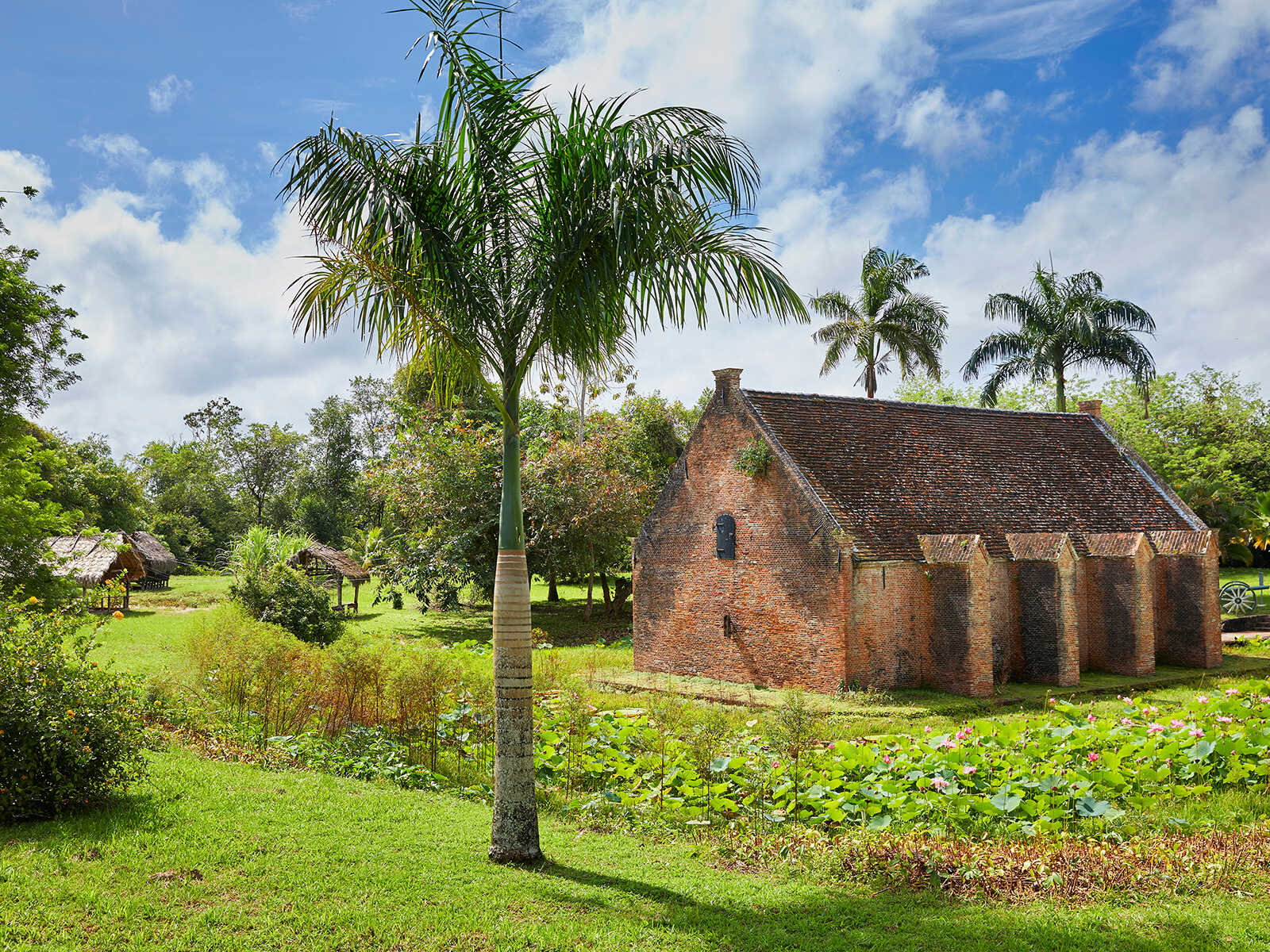
To truly understand the depth of Suriname's heritage, venture beyond the capital. A trip to Commewijne offers insights into the plantation history and the contributions of Hindustani and Javanese communities. Exploring the interior, whether through nature reserves like Brownsberg or Peperpot Nature Park, can lead to encounters with Maroon and indigenous villages, providing invaluable perspectives on their traditional ways of life.
Conclusion
Suriname is a living classroom, a place where history, culture, and nature intertwine to create an unforgettable experience. Its multi-cultural heritage is not merely a collection of distinct groups but a dynamic fusion that has shaped a truly unique national identity. For visitors, it offers a rare opportunity to witness and participate in a society that celebrates diversity as its greatest strength.