
Suriname's Unique Architecture: Exploring Paramaribo's Wooden City
Paramaribo, the vibrant capital of Suriname, beckons travelers with its distinct charm and a cityscape unlike any other. Recognized as a UNESCO World Heritage site, its historic inner city is a captivating tapestry of impressive wooden structures, blending Dutch colonial grandeur with unique local adaptations.
Step into Paramaribo, and you’re immediately transported to a bygone era, where centuries-old wooden buildings line the streets, exuding a captivating blend of history, culture, and tropical resilience. This "Wooden City" is a testament to Suriname’s rich past and its ingenious architectural legacy, offering a truly unique exploration for any visitor.
The Genesis of a Wooden Wonderland
The story of Paramaribo’s architecture begins with its colonial past. Founded by the English and later developed by the Dutch, the city grew along the Suriname River. While European colonial powers often brought their stone and brick building traditions, Suriname’s specific environment and available resources led to a remarkable adaptation: wood.
The dense tropical rainforests surrounding Paramaribo provided an abundant supply of sturdy hardwoods, making wood a practical and accessible building material. Moreover, the lightweight nature of wood was advantageous in a region prone to seismic activity (though infrequent), and its insulating properties offered some relief from the tropical heat. These practical considerations, combined with Dutch design principles and local craftsmanship, gave rise to the distinctive architectural style that defines Paramaribo today.
In 2002, the Historic Inner City of Paramaribo was inscribed on the UNESCO World Heritage List, a recognition of its outstanding universal value. UNESCO noted its "unique fusion of European architecture and local techniques and materials, which makes it a remarkable example of a multicultural settlement."
Key Architectural Characteristics
Paramaribo’s wooden architecture is characterized by several defining features that make it so visually striking and historically significant:
Dutch Colonial Influences with a Tropical Twist
- Gable Roofs:Many buildings feature steep, often ornate gable roofs, a clear nod to Dutch architectural traditions. These were adapted to shed heavy tropical rains efficiently.
- Raised Foundations:To protect against moisture, flooding, and insects, many houses are built on raised brick or stone foundations, creating a practical and aesthetically pleasing elevation.
- Verandas and Balconies:Essential for tropical living, wide verandas and spacious balconies are prevalent. These provide shaded outdoor living spaces, encouraging air circulation and offering relief from the heat. They also serve as social spaces, connecting inhabitants with street life.
- Shutters:Functional wooden shutters adorn windows, controlling light, privacy, and airflow, while also adding to the buildings' charm.
Creole Craftsmanship and Vibrant Hues
While the structural forms often reflect European influences, the intricate detailing and vibrant color palettes are distinctly Surinamese. Local artisans, often of Creole descent, infused the designs with unique decorative elements:
- Intricate Woodwork:Look closely at the facades, railings, and eaves, and you’ll discover delicate fretwork, gingerbread trim, and carved details that showcase exceptional craftsmanship.
- Bold Colors:Unlike the often muted tones of European cities, Paramaribo's wooden buildings burst with color. Bright blues, yellows, greens, and pinks are common, reflecting the vibrant spirit of the Caribbean and South America.
Did you know?The vibrant colors of Paramaribo's wooden houses often had practical origins too. Different colors of paint could indicate the status of the owner or even offer some degree of protection against specific types of wood-boring insects.
Iconic Structures and Must-See Sights
A walking tour through Paramaribo’s historic center is the best way to appreciate its architectural marvels. Here are some highlights:
The Historic Inner City: A Living Museum
The entire central district, especially around the Palmtree Garden, Waterkant, and Independence Square, is a treasure trove of wooden architecture. Wander through streets like Grote Combéweg, Gravenstraat, and Lim A Po Straat to discover beautifully preserved homes and public buildings.
The Presidential Palace
Standing majestically on Independence Square, the Presidential Palace is one of Paramaribo's most imposing wooden structures. While not entirely accessible to the public, its grand white facade and stately presence are iconic, epitomizing the Dutch colonial style adapted for the tropics. It’s beautifully framed by the surrounding Palmtree Garden.
Saint Peter and Paul Basilica
Perhaps the most astonishing example of Paramaribo's wooden architecture is the Saint Peter and Paul Basilica of Paramaribo. This towering cathedral is an architectural marvel, recognized as one of the largest wooden structures in the Western Hemisphere. Its striking yellow exterior and intricate wooden interior, crafted from Surinamese cedar, are breathtaking. Inside, the play of light on the wooden columns and arches creates a warm, ethereal atmosphere, a true testament to the skill of the builders.
Fort Zeelandia
Dating back to the 17th century,Fort Zeelandia is the oldest colonial structure in Paramaribo. While parts of it are stone, it also incorporates significant wooden elements and stands as a pivotal historical site overlooking the Suriname River. Its evolution reflects the changing architectural and military needs of the colonial period.
The S.I.V. Mosque and Neveh Shalom Synagogue
For a unique glimpse into Suriname's multicultural harmony, visit the area where the S.I.V. Mosque and the Neveh Shalom Synagogue stand side-by-side. While the mosque is a more modern construction, the proximity of these two distinct places of worship is a powerful symbol of religious tolerance and coexistence, a hallmark of Surinamese society.
Exploring Paramaribo: Tips for Visitors
- On Foot is Best:The historic inner city is compact and best explored on foot. This allows you to truly appreciate the intricate details of the buildings and soak in the atmosphere.
- Guided Tours:Consider a guided walking tour. Local guides can provide invaluable historical context, point out hidden gems, and share fascinating stories behind the architecture.
- Self-Guided Exploration:Grab a map and wander. Key areas like Waterkant, Independence Square, and the streets radiating from them offer endless photographic opportunities.
- Best Time to Visit:Morning or late afternoon are ideal for walking, avoiding the midday heat. The light is also softer for photography.
- Look Up and Down:Don't just look at eye level. Observe the intricate rooflines, gables, and decorative eaves, as well as the sturdy foundations and street-level details.
- Stay Hydrated:Always carry water, especially when walking in the tropical climate.
Beyond Paramaribo: Architectural Echoes
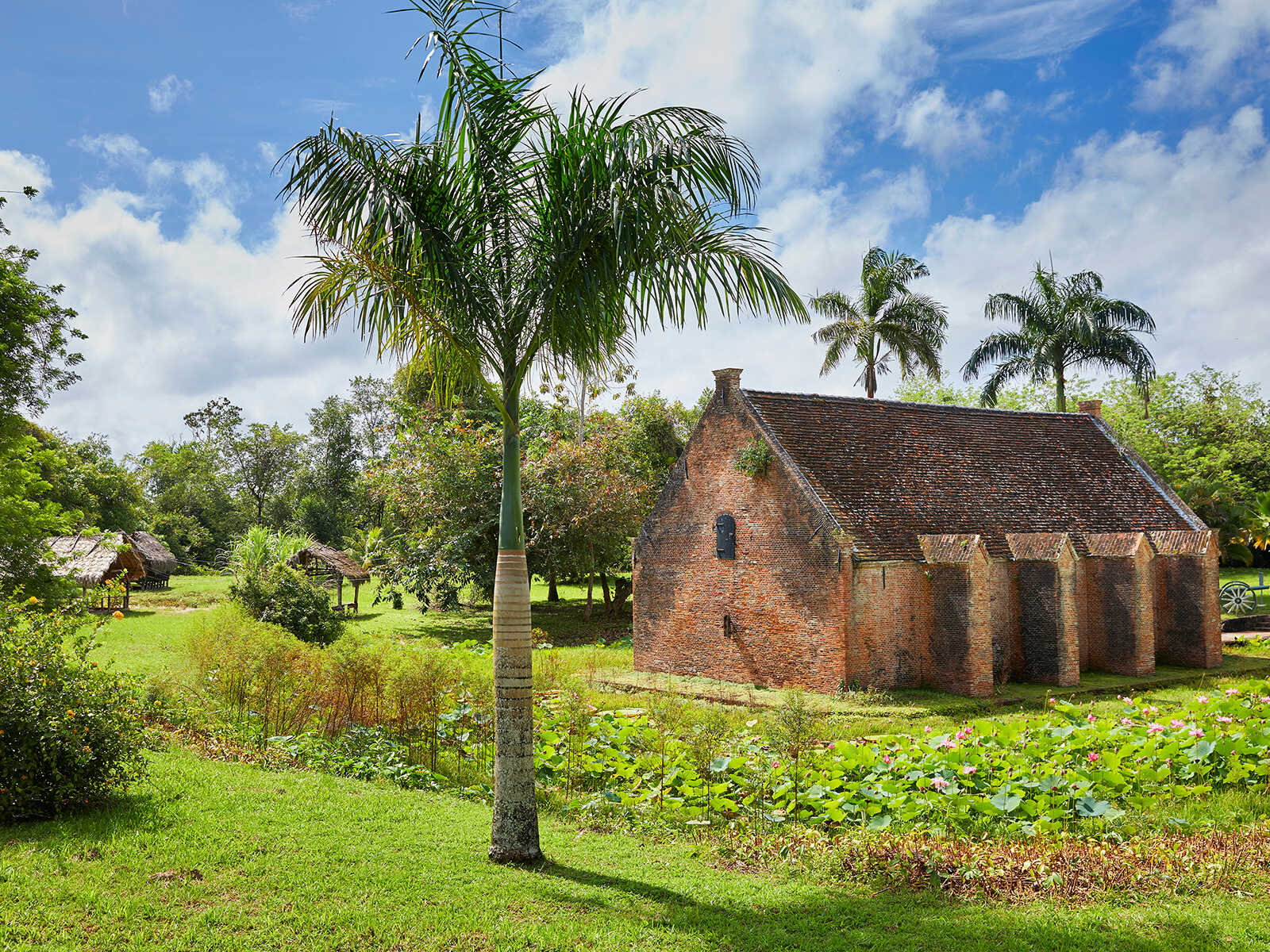
While Paramaribo is the epicenter of this unique wooden architecture, its influence extends beyond the capital. Many of the old plantations in the Commewijne district, accessible by boat or car, also feature charming wooden plantation houses and former factory buildings, offering a glimpse into rural colonial architecture. Exploring Commewijne provides an excellent complement to your Paramaribo architectural adventure.
Preservation and the Future
Maintaining these historic wooden structures in a tropical climate presents ongoing challenges, from humidity and insects to the cost of upkeep. However, dedicated efforts by the Surinamese government, international organizations, and local communities are focused on preserving this unique heritage. Sustainable tourism plays a vital role in supporting these preservation efforts, ensuring that Paramaribo's wooden city continues to enchant visitors for generations to come.
Paramaribo’s wooden architecture is more than just buildings; it’s a living narrative of cultural fusion, resilience, and artistic expression. It’s a compelling reason to visit Suriname and immerse yourself in a truly distinctive urban landscape.