
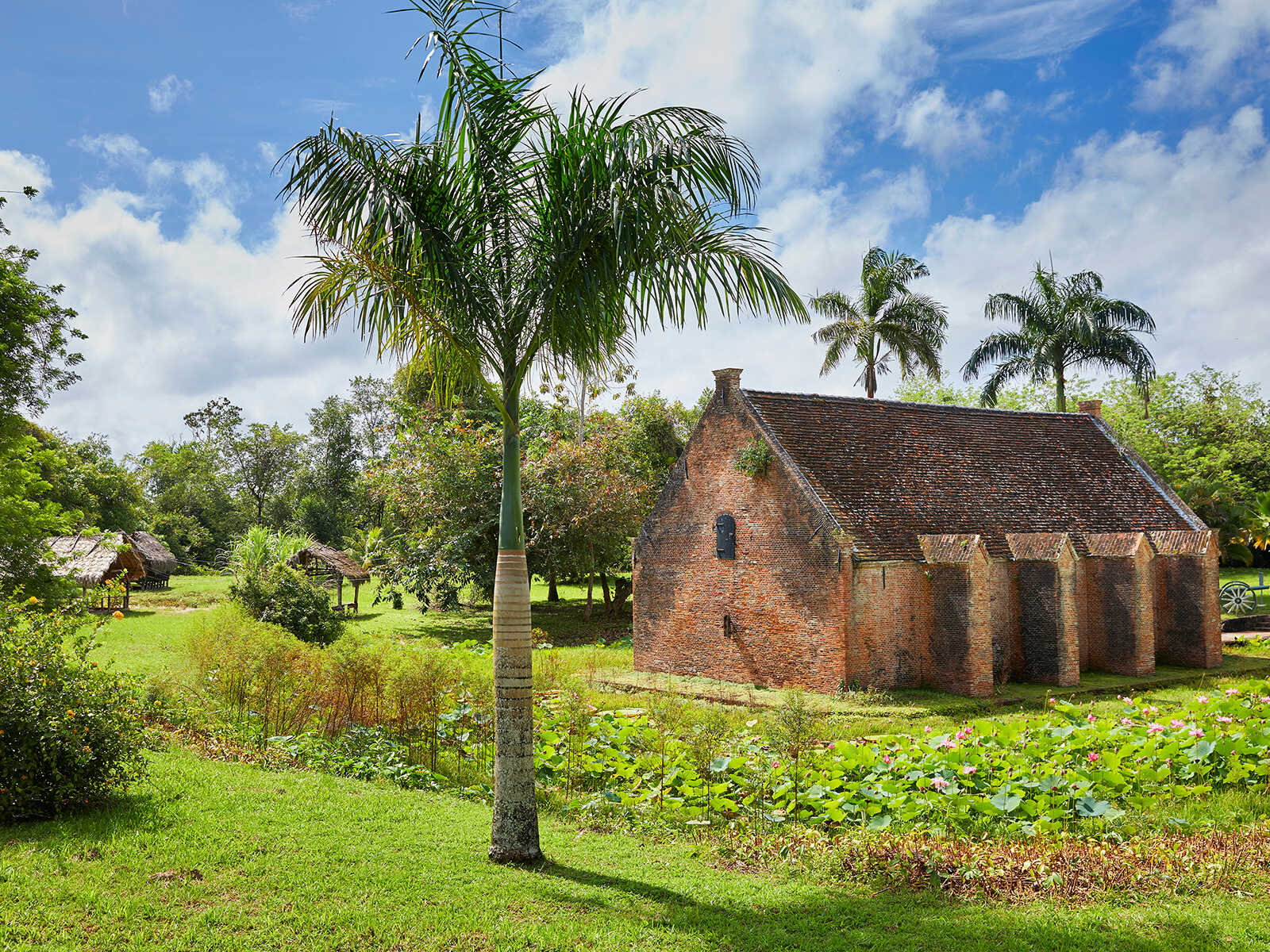
Responsible Tourism in Suriname: Eco-Friendly Travel Tips
Suriname, a jewel of South America nestled on the continent's northeastern coast, boasts an incredible tapestry of pristine rainforests, vibrant cultures, and unique biodiversity. As more travelers seek to explore this captivating destination, embracing responsible tourism practices becomes paramount to preserve its natural wonders and support its diverse communities for generations to come.
Traveling responsibly in Suriname means consciously minimizing your environmental impact, respecting local traditions, and ensuring your visit benefits the people and places you encounter. It's about experiencing the country's rich offerings while contributing positively to its sustainability.
Why Responsible Tourism Matters in Suriname
Suriname is renowned for its vast, untouched Amazonian rainforest, which covers over 80% of its landmass, making it one of the most forested countries on Earth. This incredible natural heritage is home to an astonishing array of flora and fauna, many of which are endemic or endangered. The country's cultural landscape is equally rich, shaped by indigenous peoples, Maroons, Creoles, Indians, Javanese, Chinese, and Europeans, creating a unique blend of traditions, languages, and cuisines.
However, this delicate balance is vulnerable to deforestation, climate change, and unsustainable development. Responsible tourism acts as a vital tool for conservation, empowering local communities, and fostering a deeper appreciation for Suriname's natural and cultural treasures. By making conscious choices, travelers can play a direct role in protecting this extraordinary destination.
Practical Eco-Friendly Travel Tips for Suriname
1. Support Local Communities and Economies
One of the most impactful ways to be a responsible traveler is to ensure your tourist dollars directly benefit the local population. This approach fosters economic empowerment and encourages sustainable practices.
- Choose Local Accommodations:Opt for locally owned guesthouses, eco-lodges, and boutique hotels over large international chains. Many lodges, especially those in the interior, are run by indigenous or Maroon communities, offering authentic experiences while directly supporting their livelihoods.
- Hire Local Guides:When exploring the rainforest, rivers, or cultural sites, always hire guides from the local community. They possess invaluable knowledge of the environment, wildlife, and cultural heritage, ensuring a more authentic and safer experience. Their income directly supports their families and provides an incentive for conservation.
- Buy Local Products and Crafts:Seek out authentic Surinamese crafts, produce, and souvenirs from local markets or artisan shops. This supports small businesses and preserves traditional craftsmanship. Remember to bargain respectfully if it's customary.
- Eat Local:Savor the diverse Surinamese cuisine at local restaurants, warungs (Javanese eateries), or street food stalls. This not only offers a true taste of the country but also supports local food producers and small businesses.
Tip:Many eco-lodges in Suriname's interior are community-based, offering unique opportunities to learn about local customs and conservation efforts firsthand.
2. Minimize Your Environmental Footprint
Protecting Suriname's pristine environment is crucial. Every small action can make a difference in preserving its natural beauty.
- Reduce Plastic Waste:Suriname, like many developing nations, faces challenges with waste management. Carry a reusable water bottle and refill it whenever possible. Avoid single-use plastics like straws and plastic bags.
- Conserve Energy and Water:Be mindful of your consumption. Turn off lights and air conditioning when leaving your room. Take shorter showers. Many eco-lodges operate on limited resources, making conservation even more critical.
- Respect Wildlife:When visiting natural areas like Brownsberg or Peperpot Nature Park, observe animals from a respectful distance. Never feed, touch, or disturb wildlife. Do not collect plants, rocks, or shells. Choose operators who adhere to ethical wildlife viewing guidelines.
- Stay on Marked Trails:Especially in rainforest environments, straying from designated paths can damage fragile ecosystems and disturb habitats. Always follow your guide's instructions.
- Leave No Trace:Pack out everything you pack in. Dispose of waste properly, carrying non-biodegradable items with you until you find appropriate disposal facilities.
- Choose Sustainable Transport:When possible, opt for walking, cycling (popular in areas like Commewijne), or public transport within cities. For longer distances, consider shared transport to reduce carbon emissions.
3. Respect Culture and Heritage
Suriname's multicultural society is a source of immense pride and fascination. Approaching it with respect and an open mind enhances your travel experience and honors local traditions.
- Learn Basic Phrases:A few words in Sranan Tongo (the local lingua franca) or Dutch will go a long way in showing respect and building connections. Simple greetings like "Fa waka?" (How are you?) are always appreciated.
- Dress Modestly:Especially when visiting religious sites such as the Saint-Peter-and-Paul Basilica of Paramaribo or the S.I.V. Mosque, dress respectfully with shoulders and knees covered.
- Ask for Permission:Always ask for permission before taking photos of people, especially in indigenous or Maroon communities. Respect their decision if they decline.
- Understand Local Customs:Be aware of local etiquette regarding greetings, gestures, and social interactions. Your guide can provide valuable insights. For example, when visiting plantations in Commewijne, be mindful of the historical significance and sensitivities.
- Visit Historical Sites Responsibly:Explore sites like Fort Zeelandiaweg and the Palmtree Garden with an understanding of their historical importance and a commitment to preserving them.
4. Choose Responsible Activities and Operators
The type of tours and activities you choose can significantly impact their sustainability.
- Seek Eco-Certified Operators:Prioritize tour companies that have clear environmental and social policies, hire local staff, and contribute to conservation efforts. Ask about their sustainability practices before booking.
- Avoid Exploitative Activities:Steer clear of any activity that exploits animals, damages natural habitats, or disrespects local cultures. This includes interactions with captive animals or unregulated tours that disregard environmental regulations.
- Participate in Educational Tours:Engage in tours that offer insights into Suriname's unique ecosystems, conservation challenges, and cultural diversity. These experiences often foster a deeper appreciation and encourage more responsible behavior.
Embrace the Spirit of Suriname Responsibly
From the bustling streets of Paramaribo, with its UNESCO World Heritage wooden architecture, to the tranquil depths of the Amazon rainforest, Suriname offers an unparalleled journey. Whether you are birdwatching at Peperpot Nature Park, hiking through the canopy at Brownsberg, or cycling past old plantations in Commewijne, your choices as a traveler have a lasting impact.
By adopting these eco-friendly travel tips, you contribute not only to the preservation of Suriname's extraordinary natural beauty and vibrant cultural heritage but also enrich your own travel experience. Be a conscious traveler, and help ensure that the magic of Suriname remains for all who follow.
Your journey through Suriname can be a powerful force for good, leaving behind positive footprints and cherished memories.