
Paramaribo Travel Guide: Top Things to Do in the Capital City
Paramaribo, the vibrant capital of Suriname, offers a captivating blend of Dutch colonial architecture, a rich multicultural heritage, and lush natural beauty. This guide delves into the best experiences, from exploring UNESCO World Heritage sites to savoring unique culinary delights, ensuring an unforgettable journey.
Discovering Paramaribo's Historic Inner City
At the heart of Paramaribo lies its UNESCO World Heritage-listed historic inner city, a testament to its Dutch colonial past. Strolling through these streets is like stepping back in time, with beautifully preserved wooden buildings showcasing a unique architectural style.
Independence Square (Onafhankelijkheidsplein)
Begin your exploration at Onafhankelijkheidsplein, the city's main square. Flanked by significant government buildings, including the Presidential Palace and the Ministry of Finance, the square is a hub of national pride and a perfect spot to observe local life. Lush greenery and monuments add to its grandeur.
Fort Zeelandia
Just a short walk from the square,Fort Zeelandia stands as a poignant historical landmark. Originally a 17th-century Dutch fort, it now houses a museum that chronicles Suriname's tumultuous past, from colonial struggles to its journey to independence. The fort offers panoramic views of the Suriname River and the city's waterfront.
Fun Fact:The historic inner city of Paramaribo was designated a UNESCO World Heritage site in 2002, recognized for its unique blend of European urban planning and indigenous building materials and techniques.
Palmentuin (Palm Tree Garden)
Adjacent to the Presidential Palace, the serene Palmtree Garden offers a tranquil escape from the urban bustle. This picturesque park, filled with hundreds of royal palms, is a popular spot for locals and visitors alike to relax, enjoy a picnic, or simply take a leisurely stroll under the shade of the towering trees.
Architectural Wonders and Spiritual Harmony
Paramaribo's diverse population is reflected in its unique religious architecture, where mosques, synagogues, and churches stand in close proximity, symbolizing the city's remarkable religious tolerance.
Saint Peter and Paul Basilica
One of the city's most iconic landmarks is the Saint-Peter-and-Paul Basilica of Paramaribo. This magnificent cathedral, notable for being one of the largest wooden structures in the Western Hemisphere, boasts an intricately designed interior that is a marvel of craftsmanship. Its striking yellow and grey exterior makes it an unmissable sight.
Neveh Shalom Synagogue and S.I.V. Mosque
A remarkable testament to Paramaribo's multicultural fabric is the unique sight of the Neveh Shalom Synagogue and the S.I.V. Mosque standing side-by-side on Keizerstraat. Visitors are often welcomed to respectfully enter both places of worship (dress code permitting) to appreciate their distinct designs and learn about their respective communities.
Riverside Charm and Culinary Delights
The Suriname River plays a central role in Paramaribo's life, offering picturesque views, a bustling waterfront, and fresh catches that inspire the city's vibrant food scene.
Waterfront (Waterkant)
The Waterkant, or waterfront, is a lively area perfect for an evening stroll. Here, you'll find vendors selling delicious street food, refreshing drinks, and local crafts. It's a fantastic spot to watch the boats on the river and enjoy a stunning sunset over the water.
Paramaribo Central Market
Immerse yourself in the local culture at the Paramaribo Central Market. This bustling hub is a sensory explosion of sights, sounds, and smells. You'll find everything from exotic fruits and vegetables to fresh seafood, spices, and household goods. The market provides a fascinating glimpse into the daily lives of Paramaribo residents.
A Taste of Suriname: Culinary Exploration
Surinamese cuisine is a delicious fusion of its diverse cultural influences, including Creole, Javanese, Hindustani, Chinese, and Dutch. Be sure to try local favorites such asroti(Indian-inspired flatbread with curried chicken or vegetables),pom(a Creole oven dish made with taro root),nasi goreng(Javanese fried rice), and fresh seafood. The variety is astounding and incredibly flavorful.
Beyond the City: Day Trips from Paramaribo
While Paramaribo itself offers plenty to explore, several enriching day trips are easily accessible, allowing you to experience more of Suriname's natural beauty and history.
Commewijne District
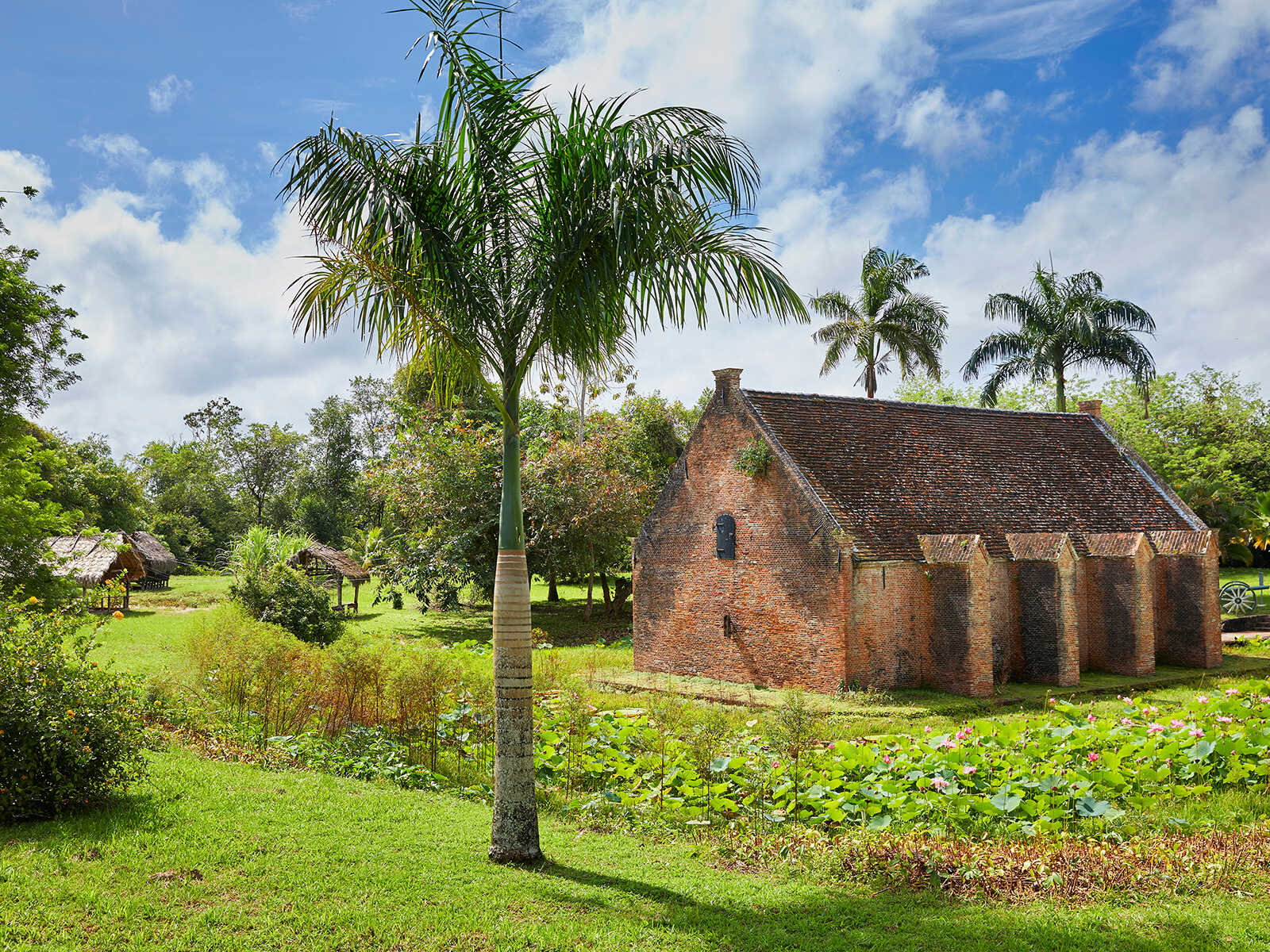
A popular excursion is a trip to the Commewijne District, located just across the Suriname River. Known for its historical plantations, many visitors opt for a cycling tour through the scenic landscapes, visiting former coffee and sugar estates. Some plantations have been converted into charming restaurants or museums, offering insights into Suriname's colonial past and agricultural heritage.
Peperpot Nature Park
For nature enthusiasts,Peperpot Nature Park is an ideal escape. This former coffee and cocoa plantation has been reclaimed by nature and now serves as a haven for diverse wildlife, including monkeys, sloths, and a wide array of bird species. Walking and cycling trails wind through the lush greenery, offering excellent opportunities for wildlife spotting.
Brownsberg Nature Park
While a bit further afield and often requiring an overnight stay for a full experience,Brownsberg Nature Park is a must-visit for those seeking deeper immersion in Suriname's pristine rainforest. It offers stunning views over the Brokopondo Reservoir and numerous hiking trails leading to beautiful waterfalls.
Practical Tips for Travelers
To make your visit to Paramaribo as smooth and enjoyable as possible, consider these practical tips:
- Getting Around:The historic city center is very walkable. For longer distances, taxis are readily available, or you can use local mini-buses.
- Language:The official language is Dutch, but Sranan Tongo (a local creole language) is widely spoken. English is also understood in tourist areas.
- Currency:The local currency is the Surinamese Dollar (SRD). ATMs are available, and credit cards are accepted in larger establishments.
- Best Time to Visit:The dry seasons (February to April and August to November) generally offer the most pleasant weather for exploring.
- Safety:Paramaribo is generally safe, but like any city, it's wise to be aware of your surroundings, especially at night, and take standard precautions against petty theft.
Paramaribo is a city that truly rewards exploration. Its unique blend of history, culture, and nature creates an experience unlike any other in the Caribbean or South America. From its UNESCO-listed streets to its vibrant culinary scene and welcoming locals, Paramaribo invites you to discover its charm.