
Must-Try Suriname Food: A Culinary Journey Through Paramaribo's Flavors
Suriname's cuisine is a vibrant tapestry woven from its diverse cultural heritage, offering an unparalleled gastronomic adventure. In Paramaribo, the capital city, every street corner and restaurant tells a delicious story of African, Indian, Javanese, Chinese, and European influences. Prepare your taste buds for an unforgettable culinary journey.
The culinary landscape of Suriname is a direct reflection of its rich history. Over centuries, immigrants from various parts of the world arrived, bringing with them their unique cooking traditions, spices, and ingredients. These traditions didn't just coexist; they fused, evolved, and created something entirely new and distinctly Surinamese. From savory stews to exotic snacks, the food here is bold, flavorful, and incredibly diverse, making it a paradise for any food enthusiast.
Essential Main Dishes to Savor
When exploring Paramaribo's food scene, certain dishes are absolutely non-negotiable. These staples showcase the depth and breadth of Surinamese culinary art.
Roti: The Indo-Surinamese Staple
Perhaps one of the most famous Surinamese dishes,Rotiis a testament to the country's Indian heritage. It consists of a soft, flaky flatbread, often filled with ground split peas, served with a rich, flavorful curry. Common fillings include chicken, lamb, duck, or various vegetables like potatoes and long beans. Don't be afraid to eat it with your hands – it's the traditional way!
Pom: A Creole-Jewish Masterpiece
A true Surinamese original,Pomis a celebratory baked dish with Creole and Jewish roots. It features gratedpomtajer(a local root vegetable, similar to taro) marinated in citrus juice, combined with chicken, vegetables, and aromatic spices. The result is a savory, slightly tangy, and incredibly satisfying casserole that's a staple at gatherings and special occasions.
Nasi and Bami: Javanese Delights
From the Javanese community,Nasi Goreng(fried rice) andBami Goreng(fried noodles) are ubiquitous and beloved. Unlike their Indonesian counterparts, Surinamese versions often feature a distinct blend of spices and accompaniments, including succulent pieces of chicken, pork, shrimp, fried egg, and a generous dollop of sambal (chili paste) for those who like a kick. These are often served with satay skewers and pickled cucumbers.
Moksi Meti: Chinese Mixed Meats
Reflecting the Chinese influence,Moksi Metitranslates to "mixed meats." This hearty dish typically features a combination of roasted pork (char siu), roasted duck, and sometimes chicken or salted fish, served over rice with a savory gravy. It's a flavorful and filling option, showcasing the Chinese community's contribution to the national palate.
Saoto Soup: A Comforting Javanese Broth
A light yet incredibly flavorful clear chicken broth,Saoto Soupis a perfect starter or a comforting meal on its own. It's typically served with shredded chicken, boiled egg, fried potato sticks, and a squeeze of lime. Many add a spoonful of sambal and a dash of sweet soy sauce (ketjap manis) to customize the flavor.
Delectable Snacks and Street Food
Paramaribo's streets are a vibrant marketplace of flavors, offering an array of quick bites perfect for exploring.
Bara: The Savory Indian Doughnut
A popular Indo-Surinamese snack,Barais a savory, doughnut-like fried treat made from split pea flour and spices. Often served with a tangy chutney, it's crispy on the outside and soft on the inside, providing a delightful textural contrast. It’s perfect for a quick bite while strolling through the city, perhaps after visiting nearby historical sites like the Saint-Peter-and-Paul Basilica of Paramaribo.
Broodje: The Ultimate Surinamese Sandwich
The SurinameseBroodjeis far from an ordinary sandwich. Served on a crusty Dutch-style roll, the fillings are where the magic happens. Popular choices includebroodje hete kip(spicy chicken),broodje bakkeljauw(salted cod),broodje lever(liver), orbroodje pom. These hearty sandwiches are a go-to for a quick, satisfying lunch. Many vendors can be found around areas like Fort Zeelandiaweg.
Fun Fact:The term "Broodje" is Dutch for "small bread" or "roll," highlighting the Dutch colonial influence on Surinamese language and, indirectly, its food culture.
Bakabana: Sweet Plantain Fritters
Another beloved Javanese snack,Bakabanaconsists of ripe plantains, battered and deep-fried until golden brown. They are often served with a sweet and savory peanut sauce, creating a delightful interplay of flavors and textures. It's a fantastic sweet and salty treat.
Refreshing Drinks and Sweet Endings
No culinary journey is complete without sampling the local beverages and desserts.
Dawet: The Sweet Coconut Drink
A refreshing Javanese drink,Dawetis made from coconut milk, palm sugar, pandan leaves, and often contains small, colorful jelly-like strands. It's sweet, aromatic, and incredibly cooling on a warm day.
Orgeade: The Almond Elixir
Orgeadeis a sweet, milky drink flavored with almonds and sometimes vanilla. It's a simple yet satisfying beverage that offers a gentle sweetness and creamy texture.
Schaafijs: Paramaribo's Snow Cone
For a sweet relief from the tropical heat, look forSchaafijsvendors. This Surinamese shaved ice is drenched in various colorful syrups, often fruit-flavored like tamarind, grenadine, or passion fruit. It's a nostalgic treat for locals and a delightful discovery for visitors.
Where to Find These Flavors in Paramaribo
Paramaribo is teeming with places to indulge in its diverse cuisine. From bustling street stalls to cozy restaurants, you're never far from a delicious meal.
- Warungs (Javanese Eateries):These informal restaurants, often family-run, are the best places to find authentic Javanese dishes like Nasi, Bami, and Saoto Soup.
- Street Vendors:For quick snacks like Broodjes, Bara, and Bakabana, keep an eye out for street vendors, especially in busy areas and markets.
- Eetcafe's and Restaurants:Paramaribo has a range of sit-down establishments offering a wider selection of Creole, Chinese, and Indian dishes, often in a more formal setting.
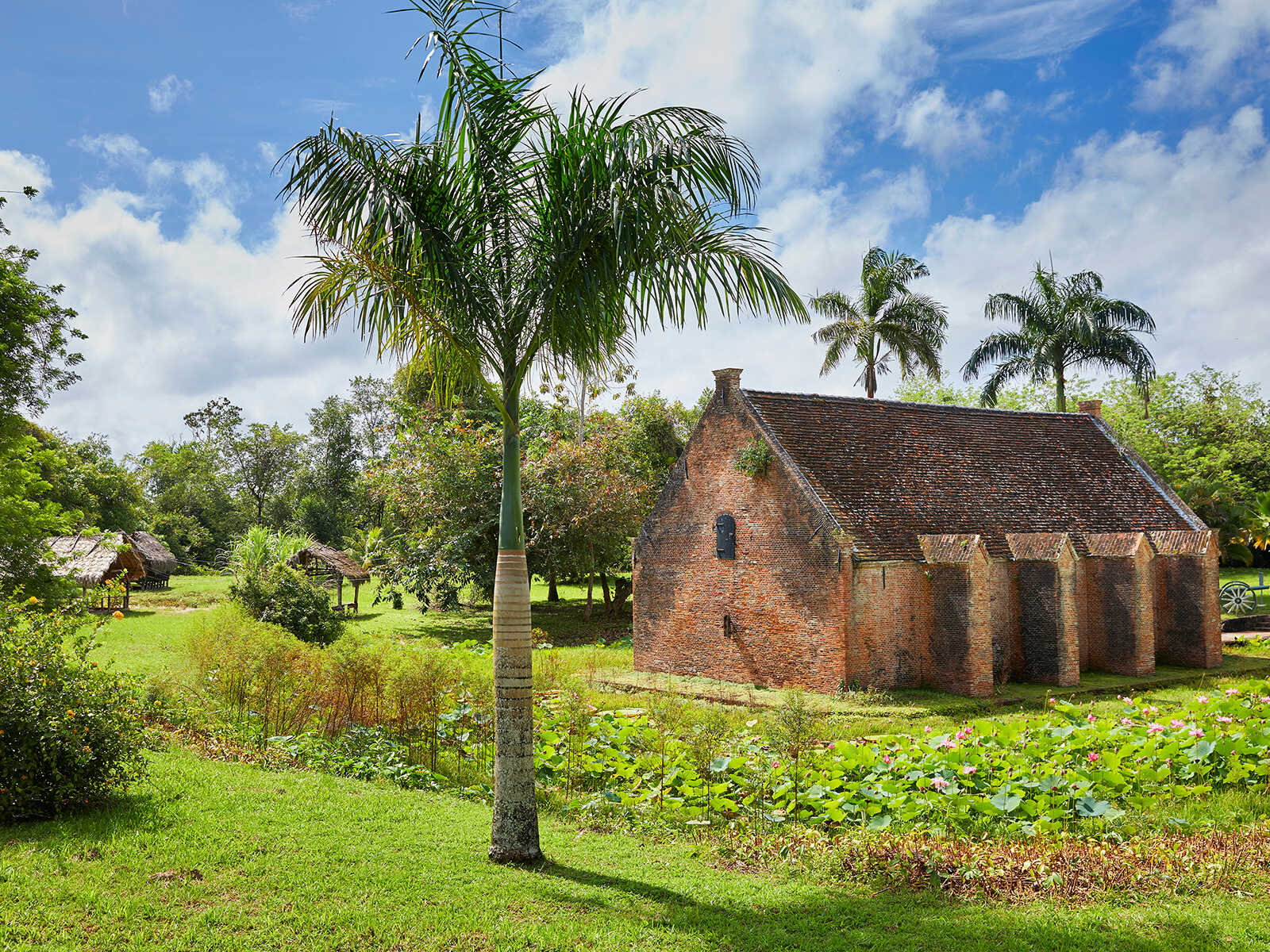
- Markets:Visiting local markets is not just for ingredients; many offer freshly prepared meals and snacks. It's also a great way to experience the local culture and see the fresh produce that forms the backbone of Surinamese cooking. The journey through Suriname's flavors also extends beyond Paramaribo, with regions like Commewijne offering insights into the agricultural heartland that supplies many of these fresh ingredients.
Tips for the Adventurous Foodie
To make the most of your culinary exploration in Paramaribo:
- Be Adventurous:Don't be afraid to try something new. The most rewarding experiences often come from stepping out of your comfort zone.
- Ask Locals:Surinamese people are proud of their food and happy to recommend their favorite spots or dishes.
- Spice Levels:Many dishes can be spicy. If you're sensitive to heat, ask for a milder version or go easy on the sambal.
- Hydrate:The tropical climate means you'll want to stay hydrated. Pair your meals with fresh fruit juices or bottled water.
- Enjoy the Atmosphere:Whether it's a bustling street corner or a quiet eatery, soak in the ambiance. Grab some local delights and enjoy them amidst the tranquility of the Palmtree Garden.
Conclusion
Paramaribo's food scene is an extraordinary testament to Suriname's multicultural identity. Each dish tells a story, blending traditions and flavors from across continents into a unique and unforgettable gastronomic experience. From the savory depth of Pom to the spicy kick of a Roti, your taste buds are in for an incredible journey. So, come hungry, explore with an open mind, and prepare to be delighted by the vibrant and diverse culinary wonders of Suriname.