
Is Suriname Worth Visiting? An Unbiased Traveler's Perspective
Suriname, a hidden gem nestled on the northeastern coast of South America, offers a travel experience unlike any other. It’s a land where diverse cultures converge amidst a backdrop of pristine Amazon rainforest. This article delves into the unique appeal and potential challenges of visiting Suriname, providing an honest perspective for prospective travelers.
Suriname at a Glance: What Makes it Unique?
Suriname stands out as the smallest independent country in South America, yet it boasts an incredible cultural and ecological richness. Often described as having a Caribbean soul despite its South American geography, its capital, Paramaribo, is a UNESCO World Heritage site renowned for its distinctive wooden colonial architecture. Here, you'll encounter a vibrant mix of Creole, Javanese, Hindustani, Indigenous, Maroon, Chinese, and European influences, creating a truly global atmosphere reflected in its cuisine, languages, and festivals.
The Pros: Why You Should Consider Suriname
For the adventurous and culturally curious traveler, Suriname presents compelling reasons to visit.
Untamed Nature and Biodiversity
Suriname is a paradise for nature lovers, with over 80% of its land covered by untouched Amazon rainforest. This vast wilderness teems with biodiversity, offering incredible opportunities for eco-tourism and wildlife spotting.
- Rainforest Adventures:Venture into the interior to experience dense jungle, powerful rivers, and stunning waterfalls.Brownsberg Nature Park is a popular destination offering hiking trails, panoramic views, and refreshing waterfalls.
- Accessible Wildlife:For a more accessible nature experience close to the city,Peperpot Nature Park, a former coffee and cocoa plantation, provides excellent birdwatching and opportunities to spot sloths, monkeys, and caimans.
- River Expeditions:Explore the country's extensive river systems by boat, visiting Maroon and Indigenous villages, and experiencing their traditional way of life.
Rich Cultural Tapestry
Suriname's history has forged a society with an astonishing array of cultures living side-by-side in harmony.
- Paramaribo's Charm:The historic inner city of Paramaribo is a UNESCO World Heritage site, famous for its beautifully preserved wooden buildings that showcase Dutch colonial architecture. Stroll through the city to admire landmarks like the impressive Saint-Peter-and-Paul Basilica of Paramaribo, one of the largest wooden structures in the Western Hemisphere.
- Religious Harmony:Witness a unique display of religious tolerance with the Neveh Shalom Synagogue and the S.I.V. Mosque standing side-by-side, a powerful symbol of the country's multicultural identity.
- Historical Insights:Explore Fort Zeelandiaweg, a former Dutch fort with a complex and significant history, now home to a museum.
- Culinary Delights:The cultural diversity translates into an incredibly varied and delicious culinary scene. From Hindustani curries to Javanese satay and Creole pom, every meal is an adventure.
Off-the-Beaten-Path Experience
Suriname remains largely untouched by mass tourism, offering an authentic and immersive travel experience. Here, you won't find large resorts or crowded tourist traps. Instead, you'll have the chance to interact genuinely with locals, discover hidden gems, and feel like a true explorer.
Travel Tip:Embrace the slower pace of life in Suriname. It's part of the charm and allows for deeper cultural immersion.
Friendliness and Hospitality
Surinamese people are generally known for their warmth, friendliness, and welcoming nature towards visitors. You'll often find locals eager to share their culture, stories, and recommendations, making your journey even more enriching.
The Cons: Challenges to Consider
While Suriname offers incredible rewards, it's not without its challenges. Being prepared for these can greatly enhance your trip.
Infrastructure and Accessibility
- Road Conditions:Outside of Paramaribo, road conditions can vary significantly, with many routes to the interior requiring 4x4 vehicles or river transport. Travel can be slow and sometimes uncomfortable.
- Interior Logistics:Planning trips to the rainforest interior often requires careful coordination, as independent travel can be difficult. It's often best to arrange tours with local operators.
- Limited International Connections:Direct flights to Suriname are fewer compared to more popular Caribbean or South American destinations, which might require layovers and longer travel times.
Language Barrier
While many Surinamese are multilingual, Dutch is the official language, and Sranan Tongo (a creole language) is widely spoken. English is understood in tourist-centric areas and by younger generations, but it's not as universally spoken as in some other travel destinations. Learning a few basic Dutch or Sranan Tongo phrases can be very helpful and appreciated.
Safety Concerns
Like any urban area, Paramaribo has its share of petty crime. Travelers should exercise standard precautions, such as avoiding walking alone at night in poorly lit areas, securing valuables, and being aware of their surroundings. Always check current travel advisories before your trip.
Limited Tourism Infrastructure
Compared to more developed tourist destinations, Suriname has fewer luxury hotels and polished tourist amenities. Accommodations outside Paramaribo can be basic, and services might not always be as efficient as you're used to. This is part of its authentic charm but requires travelers to be adaptable and patient.
What Kind of Traveler Will Love Suriname?
Suriname is ideal for:
- Adventure Seekers:Those who crave off-road excursions, river journeys, and jungle treks.
- Nature Enthusiasts:Birdwatchers, wildlife photographers, and anyone passionate about exploring pristine rainforest ecosystems.
- Cultural Explorers:Travelers eager to immerse themselves in a rich tapestry of diverse cultures, history, and unique architecture.
- Independent and Authentic Travelers:Those who prefer genuine local experiences over resort-style tourism and are comfortable with a less structured journey.
It might not be the best fit for travelers seeking all-inclusive resorts, extensive nightlife, or highly developed tourist infrastructure.
Practical Tips for Visiting Suriname
- Best Time to Visit:The dry seasons (roughly February to April and August to November) generally offer the best weather for exploring.
- Currency:The local currency is the Surinamese Dollar (SRD). USD is also widely accepted in many places, especially for larger purchases or tours.
- Getting Around:In Paramaribo, taxis and local buses are available. For trips to the interior, consider organized tours which often include transport by 4x4, boat, or small aircraft.
- Health Precautions:Consult your doctor about recommended vaccinations (e.g., Yellow Fever) and malaria prophylaxis. Bring insect repellent, especially for jungle excursions.
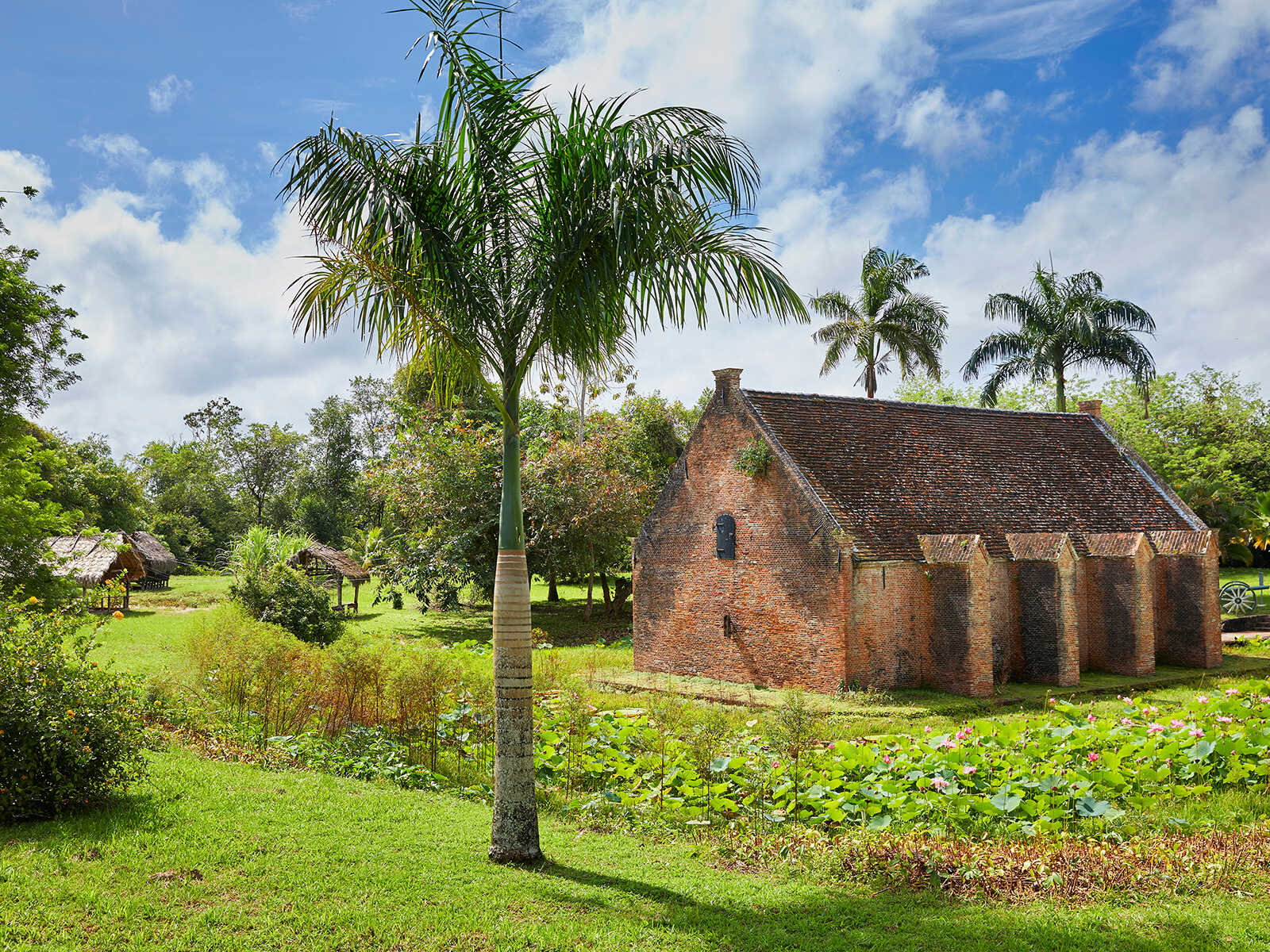
- Explore Beyond Paramaribo:While the capital is fascinating, dedicate time to explore the surrounding areas. A day trip to Commewijne district offers a glimpse into former plantations, often explored by bicycle. Don't forget to relax amidst the greenery of the Palmtree Garden in Paramaribo.
- Be Flexible:Embrace the unexpected. Things might not always run perfectly on schedule, but that's part of the adventure.
Conclusion
So, is Suriname worth visiting? Absolutely, for the right traveler. It offers a captivating blend of unparalleled natural beauty, a vibrant multicultural heritage, and a truly authentic, off-the-beaten-path experience. While it presents some logistical challenges and requires an adventurous spirit, the rewards – from spotting monkeys in the rainforest to savoring unique culinary fusions and connecting with welcoming locals – are immense. If you're seeking a destination that promises discovery, immersion, and unforgettable memories away from the typical tourist trail, Suriname might just be your next great adventure.