
Fort Zeelandia: Exploring Paramaribo's Historic Fortress & Museum
Standing proudly on the banks of the Suriname River, Fort Zeelandia is a beacon of Paramaribo's rich and complex past. This historic fortress, now a vibrant museum, offers visitors a unique window into Suriname's colonial struggles, indigenous heritage, and journey to independence. Prepare to delve into centuries of history within its ancient walls.
A Glimpse into Suriname's Storied Past
Fort Zeelandia's history is as intricate and layered as the country it once protected. Originally a small wooden trading post established by the Dutch in the early 17th century, its strategic location at the confluence of the Suriname River and the Atlantic Ocean made it a coveted prize for European powers vying for control over the lucrative Guianas.
From Trading Post to Fortress
The fort began its life around 1640 as a modest Dutch trading post. However, its significance quickly grew. In 1651, the English, under Lord Willoughby of Parham, captured the area and constructed a larger, more robust fortification, naming itFort Willoughby. This period marked the beginning of substantial sugar cultivation, heavily reliant on enslaved labor, which would shape Suriname's economic and social fabric for centuries.
The Dutch reclaimed the colony in 1667 during the Second Anglo-Dutch War, renaming the fortressFort Zeelandiaafter the Dutch province of Zeeland. This exchange of power was famously solidified by the Treaty of Breda, where the Dutch ceded New Amsterdam (present-day New York) to the English in exchange for Suriname – a swap that highlights the immense economic value placed on the colony's plantations and resources at the time.
Did you know?The Treaty of Breda in 1667 is a fascinating example of colonial priorities. The Dutch considered Suriname, with its fertile lands for sugar cane, far more valuable than the fledgling settlement of New Amsterdam (New York) at the time.
A Hub of Colonial Power and Conflict
Throughout the colonial era, Fort Zeelandia served as the administrative and military heart of Suriname. It was the governor's residence, a military barracks, and, regrettably, a site associated with the brutal realities of the transatlantic slave trade. Enslaved Africans, brought to work on the vast plantations of areas like Commewijne, would have passed through or been held near these grounds.
The fort witnessed numerous skirmishes and changes of hands between the Dutch, English, and French, each leaving their architectural and cultural imprint. Its sturdy brick walls, designed to withstand naval attacks, stand as a testament to the persistent struggles for colonial dominance.
A Place of Modern History
In more recent history, Fort Zeelandia's role shifted dramatically. During the tumultuous period of the 1980s, following Suriname's independence, the fort tragically served as a detention center for political opponents of the military regime. This era is remembered for significant human rights violations, including the infamous December Murders, a dark and sensitive chapter in Suriname's modern history. The fort's transformation into a museum is, in part, an effort to acknowledge and educate visitors about these complex periods, ensuring that such events are not forgotten.
Exploring Fort Zeelandia Today: The Suriname Museum
Today, Fort Zeelandia is home to the Suriname Museum, a pivotal institution dedicated to preserving and showcasing the country's rich cultural and historical heritage. A visit to the fort is an immersive experience, offering insights into various facets of Surinamese identity.
The Museum's Exhibits
The museum's collections are thoughtfully curated, covering a broad spectrum of themes:
- Archaeology and Indigenous Cultures:Explore artifacts from Suriname's indigenous peoples, offering a glimpse into their ancient traditions, tools, and way of life before European arrival.
- Colonial History:Delve into the Dutch colonial period, examining the impact of European settlement, plantation economies, and the institution of slavery through documents, maps, and objects.
- Slavery and Emancipation:This section provides a sobering account of the transatlantic slave trade and the lives of enslaved Africans in Suriname, culminating in the abolition of slavery and the subsequent arrival of indentured laborers from India and Java.
- Modern History and Independence:Learn about Suriname's journey to independence in 1975 and the political developments that followed, including the challenges and triumphs of a young nation.
- Art and Culture:Discover contemporary Surinamese art and cultural expressions, reflecting the country's unique multicultural tapestry.
Walking through the various rooms, you'll encounter historical photographs, personal testimonies, and a range of artifacts that bring Suriname's past to life. The exhibits are designed to be informative and reflective, encouraging visitors to engage with the material critically.
The Fort Grounds and Architecture
Beyond the indoor exhibits, the fort's grounds themselves are a significant part of the experience. Take time to wander through the courtyards and along the ramparts:
- Panoramic River Views:Enjoy stunning views of the Suriname River, watching boats pass by and imagining the historical significance of this waterway. It's a perfect spot for photography.
- Historic Cannons:Observe the original cannons still positioned on the fort walls, pointing out towards the river, a stark reminder of its defensive purpose.
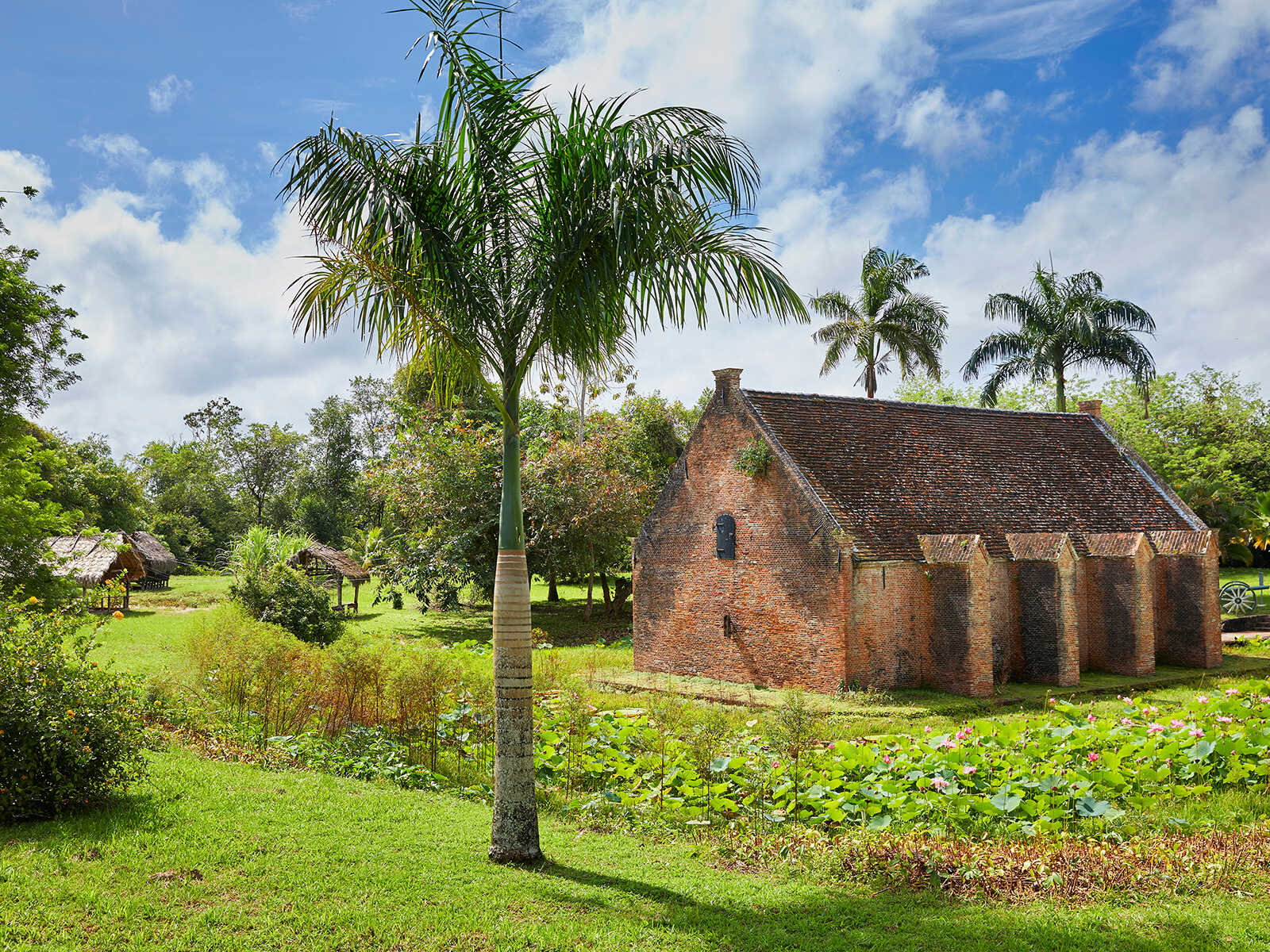
- Colonial Buildings:Admire the well-preserved Dutch colonial architecture of the various buildings within the fort complex. These structures house the museum's offices, research facilities, and exhibition spaces.
The tranquil atmosphere of the grounds today belies the turbulent history they have witnessed, offering a poignant contrast that deepens the visitor's appreciation of the site.
Planning Your Visit to Fort Zeelandia
Fort Zeelandia is an essential stop for anyone interested in understanding the soul of Suriname. Its central location in Paramaribo makes it easily accessible.
Location and Accessibility
The fort is situated right on the riverfront in the heart of Paramaribo, specifically along Fort Zeelandiaweg. It's within walking distance or a short taxi ride from many downtown hotels and guesthouses. The area around the fort is generally safe and pleasant for walking, offering glimpses of traditional wooden architecture and local life.
Best Time to Visit
Paramaribo experiences a tropical climate, so it's advisable to visit the fort in the morning or late afternoon to avoid the midday heat. Allow at least 2-3 hours to thoroughly explore the museum and grounds. Check the official website or local tourist information for the most current opening hours, as these can vary.
Nearby Attractions
Your visit to Fort Zeelandia can easily be combined with other historical and cultural sites in Paramaribo:
- Palmtree Garden:Just a short walk away, this serene garden offers a cool, green oasis perfect for a leisurely stroll after your historical exploration.
- Saint-Peter-and-Paul Basilica of Paramaribo:A stunning wooden cathedral, an architectural marvel and a UNESCO World Heritage site, is also nearby.
- S.I.V. Mosque:Explore the unique religious harmony of Paramaribo by visiting this prominent mosque, often found near the Neveh Shalom Synagogue.
Why Fort Zeelandia is a Must-Visit
A trip to Fort Zeelandia is more than just a historical excursion; it's an opportunity to connect with the very essence of Suriname. It offers:
- Profound Historical Insight:Gain a deep understanding of the forces that shaped Suriname, from indigenous life to colonial rule, slavery, and modern political struggles.
- Cultural Appreciation:Witness the melting pot of cultures that defines Suriname, reflected in the diverse exhibits and the fort's own architectural evolution.
- Scenic Beauty:Enjoy the picturesque setting on the Suriname River, offering both historical context and natural tranquility.
Fort Zeelandia stands as a powerful symbol of resilience, a place where difficult truths are confronted, and a nation's identity is celebrated. It is an indispensable stop for any traveler seeking to truly understand Paramaribo and the broader narrative of Suriname.