
Commewijne District Guide: Plantations, Culture & River Tours
Just a short ferry ride from Paramaribo lies Commewijne, a district rich in history, natural beauty, and vibrant culture. This accessible region offers a captivating journey back in time, revealing the legacies of Suriname's colonial past through its extensive plantation landscapes and diverse communities. Prepare to explore historic sites, cruise tranquil rivers, and immerse yourself in a unique cultural tapestry.
A Glimpse into Commewijne's Past and Present
Commewijne, located east of Paramaribo, is defined by the Commewijne River and the Suriname River, which converge at its northern tip. Historically, this area was the agricultural heartland of Suriname, dotted with numerous plantations producing sugar, coffee, cocoa, and cotton. Today, while many plantations lie in ruins or have been repurposed, they stand as poignant reminders of a complex past shaped by slavery and indentured labor, contributing to the district's rich, multicultural identity. It's a place where history intertwines with everyday life, offering visitors a profound insight into the country's heritage.
Journey Through Time: Commewijne's Plantation History
The vast majority of Commewijne's landscape was once covered by plantations, each with its own story of prosperity and hardship. These estates were the engines of the colonial economy, relying on the forced labor of enslaved Africans, followed by indentured laborers from India, Indonesia (Java), and China after the abolition of slavery. Exploring these sites today offers a powerful connection to the past.
Mariënburg: A Legacy of Sugar
Perhaps the most famous of Commewijne's plantations, Mariënburg, began as a sugar estate and later housed a prominent sugar factory. The imposing ruins of the factory, with its rusty machinery and crumbling brickwork, tell a compelling story of industrial ambition and the lives of the workers who toiled there. Visitors can walk through the remains, imagining the bustling activity that once characterized this significant site. Mariënburg is a stark reminder of the economic forces and human struggles that shaped Suriname.
Frederiksdorp: Restoration and Reflection
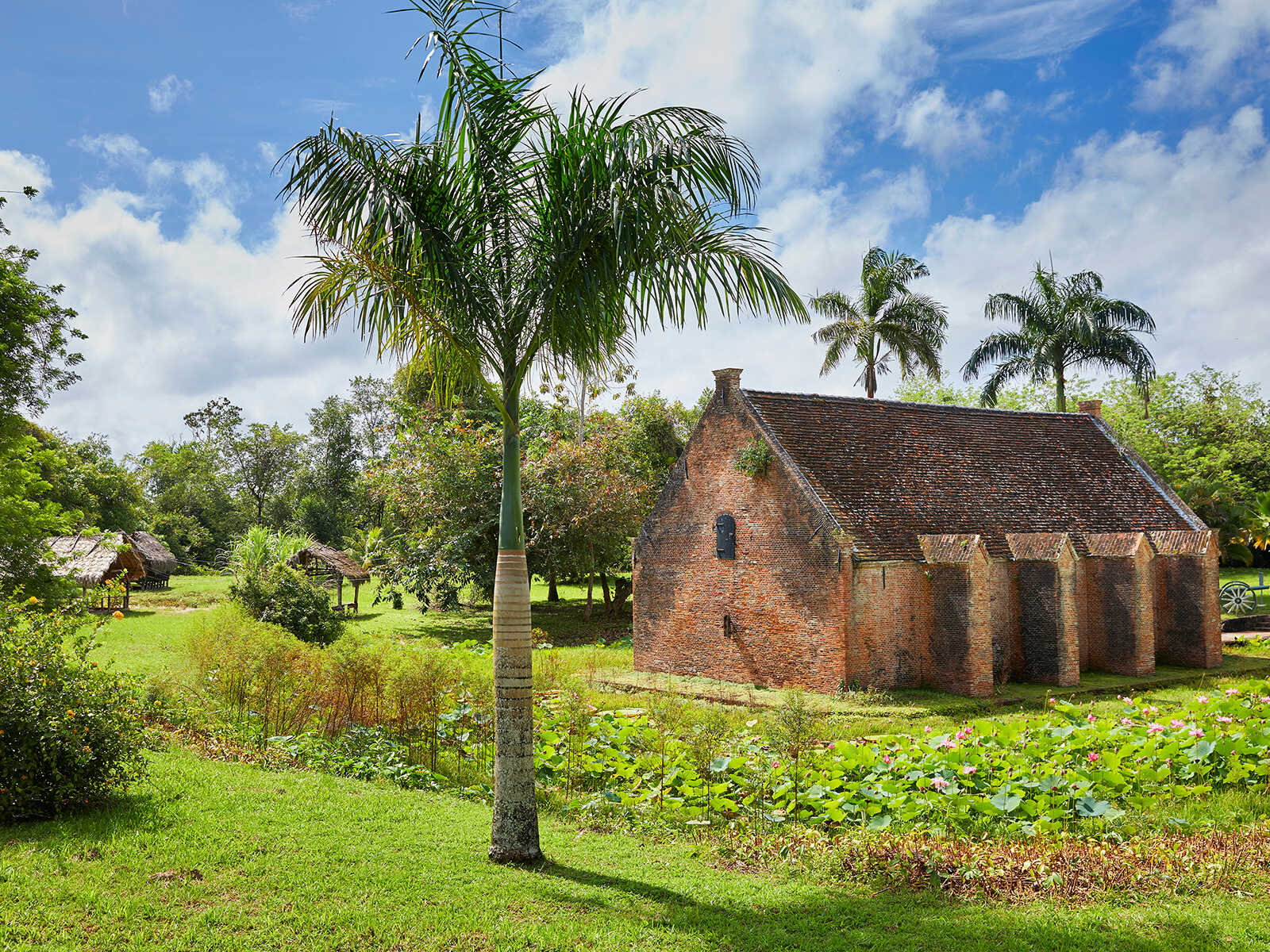
In contrast to Mariënburg's industrial decay, Plantation Frederiksdorp offers a beautifully restored glimpse into plantation life. Once a coffee and cocoa plantation, and later a police post, it has been meticulously renovated and now operates as a historical guesthouse and museum. Walking its grounds, you can appreciate the charming colonial architecture and learn about the lives of both the plantation owners and the laborers. Frederiksdorp serves as an excellent base for exploring the surrounding Commewijne district and its many historical sites.
Other Notable Plantations
Beyond Mariënburg and Frederiksdorp, many other plantations dot the landscape, such as Rust en Werk, Johanna Margaretha, and Alkmaar. While some are less accessible or have fewer visible remnants, they collectively paint a picture of an era defined by agricultural enterprise. Many still feature old manager's houses, workers' dwellings, or remnants of processing facilities, each contributing to the district's unique historical narrative.
Did you know?The Commewijne River served as a vital transportation artery for the plantations, allowing produce to be shipped directly to Paramaribo and beyond. River tours today often follow these historic routes.
Cultural Tapestry: A Blend of Traditions
Commewijne's history as a melting pot of different labor groups has resulted in a vibrant and diverse cultural landscape. The descendants of enslaved Africans, Indian indentured laborers (Hindustani), Javanese indentured laborers, Chinese immigrants, and indigenous communities live side-by-side, each contributing to the district's unique character.
This cultural fusion is evident in the local cuisine, where Javanese warungs (small eateries) serving delicious satay and nasi goreng stand alongside Hindustani restaurants offering roti and curries. Festivals, music, and religious practices also reflect this rich blend. You might encounter a Hindu temple, a Christian church, or even a mosque representing the Javanese Muslim community, all within a relatively small area.
Riverine Adventures: Exploring Commewijne by Water
One of the most authentic and rewarding ways to experience Commewijne is by boat. River tours are incredibly popular, offering a unique perspective on the district's history, nature, and daily life.
Dolphin Spotting and Nature Cruises
Many tours begin with a tranquil cruise along the Suriname River and the Commewijne River, often with the highlight of spotting the playful Surinamese river dolphins (Guiana dolphins). These intelligent creatures are frequently seen surfacing near the confluence of the rivers, a truly magical experience. Beyond dolphins, the riverbanks are teeming with birdlife, making it a fantastic destination for birdwatchers. Keep an eye out for various species of herons, egrets, and kingfishers.
Plantation Hopping by Boat
River tours typically include stops at several plantations, allowing visitors to disembark and explore the historical sites firsthand. This combination of scenic river travel and historical exploration makes for a comprehensive and engaging day trip. You'll often see local fishermen at work, children playing on the banks, and the rhythm of life along the river.
Must-See Sights & Experiences
Peperpot Nature Park
Located on the former Peperpot Plantation,Peperpot Nature Park is a fantastic destination for nature lovers and history enthusiasts alike. It offers well-maintained walking and cycling trails through lush tropical forest and old plantation grounds. You can spot a variety of birds, monkeys, and other wildlife, all while passing historic plantation buildings, coffee and cocoa trees, and an old factory complex. It's easily accessible and provides a peaceful escape.
Fort Nieuw Amsterdam
Situated at the strategic confluence of the Suriname and Commewijne Rivers, Fort Nieuw Amsterdam is a star-shaped fortress built in the 18th century to protect Paramaribo. Today, it functions as an open-air museum, showcasing old cannons, military barracks, and fascinating historical exhibits. The views from the fort across the rivers are spectacular, offering a great vantage point for understanding the region's geography and historical significance.
Local Cuisine and Warungs
Don't leave Commewijne without sampling the local cuisine. The district is renowned for its Javanese influence, with many family-run "warungs" serving authentic Indonesian dishes. Try a plate of bami or nasi goreng, a flavorful pom, or the famous Javanese peanut soup. It's an affordable and delicious way to experience the local culture.
Practical Tips for Visiting Commewijne
- Getting There:Commewijne is easily accessible from Paramaribo. You can take a local ferry from Leonsberg to Nieuw Amsterdam, or arrange a guided tour that includes transportation by bus and boat. Cycling is also a popular way to explore, with bikes available for rent.
- Best Time to Visit:The dry season (August to November and February to April) generally offers the most comfortable weather for exploring. However, Commewijne is a year-round destination.
- What to Bring:Sunscreen, insect repellent (especially for river tours and nature walks), a hat, comfortable walking shoes, plenty of water, and a camera are essential.
- Respect Local Customs:When visiting villages or religious sites, dress modestly and be respectful of local traditions.
Embark on Your Commewijne Adventure
Commewijne offers a unique blend of history, culture, and nature that is truly captivating. From the haunting beauty of its old plantations to the vibrant traditions of its diverse communities and the serene beauty of its rivers, a visit to this district promises a memorable and enlightening experience. Whether you're a history buff, a nature enthusiast, or simply looking to delve deeper into Suriname's soul, Commewijne awaits.