
Best Time to Visit Suriname: Weather, Festivals & Events Guide
Suriname, a vibrant gem nestled on South America's northeastern coast, offers an unparalleled blend of rich culture, biodiverse rainforests, and colonial history. Planning your trip around its unique climate and festive calendar is key to unlocking the best experiences this fascinating country has to offer.
Understanding Suriname's Climate
Suriname experiences a tropical rainforest climate, characterized by consistently high temperatures and humidity year-round. Instead of traditional seasons, the country has two distinct dry seasons and two wet seasons, each offering a different perspective on its natural beauty and outdoor activities.
The Main Dry Season: August to November
This period is widely considered thebest time to visit Surinamefor most travelers. With less rainfall and lower humidity, conditions are ideal for exploring the country’s vast interior and engaging in outdoor adventures.
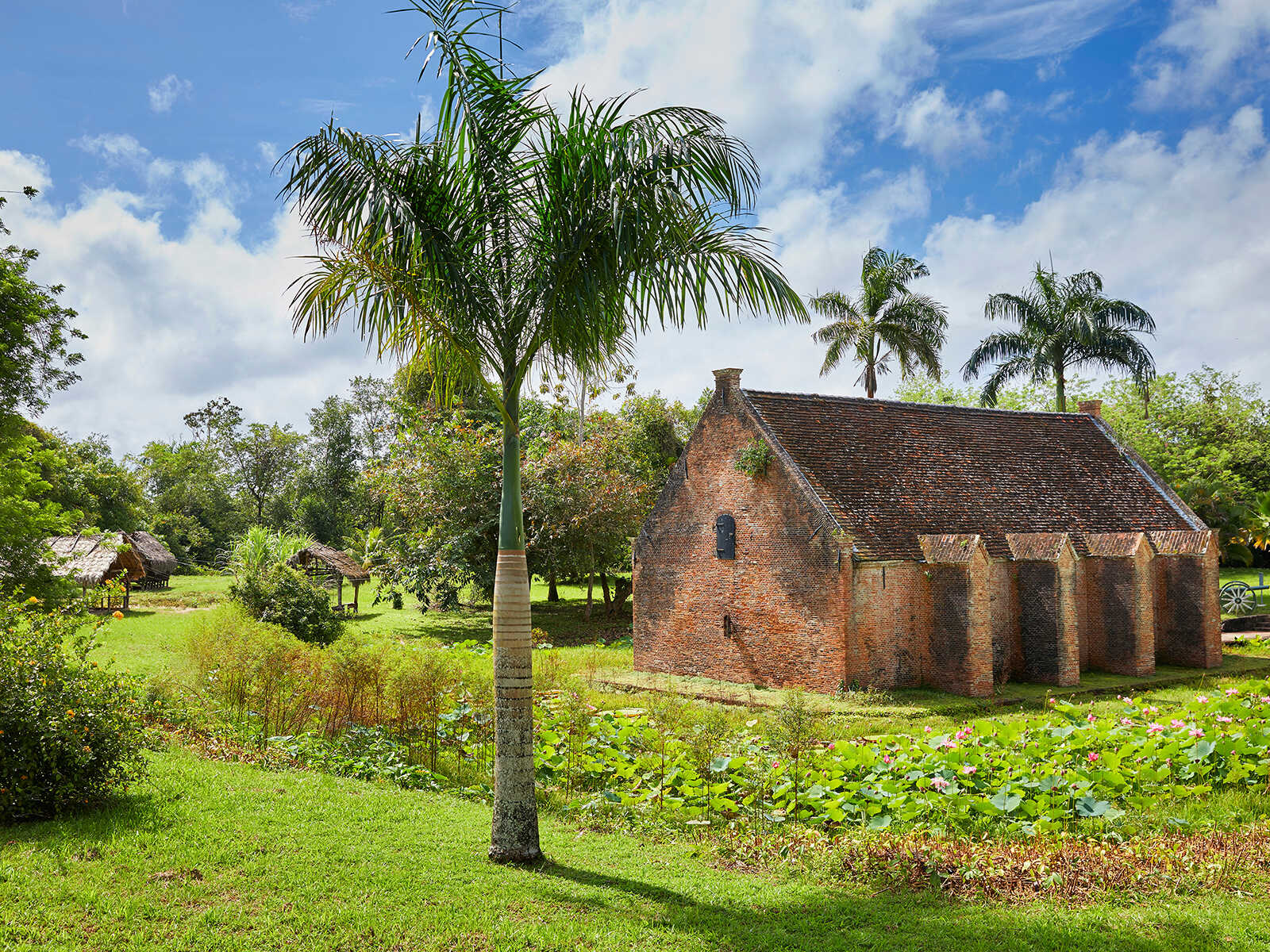
- Pros:Excellent for jungle treks, wildlife spotting, and river excursions. Roads to interior destinations like Brownsberg are generally more accessible. It's a prime time for birdwatching at places like Peperpot Nature Park and exploring the historical plantations of Commewijne by bike.
- Cons:Temperatures can be very high, often exceeding 30°C (86°F), and it can feel quite humid. Water levels in some rivers might be lower, which could affect certain boat tours.
Tip:If visiting during the main dry season, pack light, breathable clothing, a wide-brimmed hat, and plenty of sunscreen. Stay hydrated, especially when engaging in strenuous activities.
The Short Dry Season: February to April
Offering a pleasant reprieve from the heavier rains, the short dry season is another excellent window for travel. It's characterized by slightly cooler temperatures and generally clearer skies, making it perfect for urban exploration and enjoying coastal areas.
- Pros:Ideal for sightseeing in Paramaribo, where you can leisurely stroll through the historic inner city, a UNESCO World Heritage site. Explore the iconic Palmtree Garden, marvel at the wooden architecture of the Saint-Peter-and-Paul Basilica of Paramaribo, visit Fort Zeelandiaweg, and appreciate the unique blend of cultures visible at the S.I.V. Mosque. The milder weather also makes it comfortable for river cruises.
- Cons:This dry spell is shorter and can sometimes be interrupted by unexpected showers.
The Main Wet Season: May to July
While often overlooked, the main wet season presents a unique and vibrant side of Suriname. The landscape transforms into a lush, emerald paradise.
- Pros:The rainforest is at its most vibrant and green, and waterfalls are at their fullest and most spectacular. Fewer tourists mean a more intimate experience with nature and local culture. This is also a good time for observing certain wildlife that thrives in wetter conditions.
- Cons:Heavy rainfall can lead to muddy roads, making travel to remote areas challenging or impossible. Mosquito activity increases significantly. Some tours might be cancelled due to weather conditions.
The Short Wet Season: December to January
Coinciding with the festive holiday period, the short wet season brings frequent, though often brief, showers. It's a lively time, especially in Paramaribo.
- Pros:The holiday spirit is palpable, with many cultural events and celebrations. The vegetation remains lush, and the air feels fresh after the rains.
- Cons:Rain can be heavy, impacting outdoor plans. Mosquitoes are more prevalent. Accommodation and flights might be pricier due to holiday demand.
Festivals & Events Throughout the Year
Suriname's diverse cultural tapestry is best experienced through its vibrant festivals. Timing your visit with one of these events can add an unforgettable dimension to your trip.
December – January: Holiday Festivities & Oud Jaar
The end of the year is marked by a flurry of celebrations. Christmas is widely celebrated, but the highlight isOud Jaar(Old Year's Eve) on December 31st. Paramaribo explodes with firecrackers, music, and street parties, especially along the Fort Zeelandiaweg and other main streets. The energy is infectious, making it a thrilling time to be in the capital despite the short wet season.
February – March: Phagwa (Holi)
Depending on the lunar calendar, this Hindu festival of colors usually falls in February or March. Suriname's large East Indian population celebratesPhagwawith immense enthusiasm, throwing colored powders and water. It's a joyous, inclusive event, and visitors are often welcome to participate.
March – April: Easter
Easter is a significant holiday, especially for Suriname's Christian communities. Churches, like the stunning Saint-Peter-and-Paul Basilica of Paramaribo, hold special services. It’s a time for family gatherings and reflection, often coinciding with the pleasant short dry season.
Eid al-Fitr & Eid al-Adha (Varies Annually)
Suriname celebrates major Islamic holidays with national recognition.Eid al-Fitrmarks the end of Ramadan, andEid al-Adha(Feast of the Sacrifice) are observed by the country's Muslim population, including at prominent mosques like the S.I.V. Mosque. These are times of prayer, feasting, and community, offering a glimpse into another facet of Surinamese culture.
July 1st: Keti Koti (Emancipation Day)
One of Suriname's most profound and moving celebrations,Keti Koticommemorates the abolition of slavery. The day is filled with parades, cultural performances, traditional dress, and ceremonies that honor ancestors and celebrate freedom. It's a powerful and educational experience to witness.
November 25th: Independence Day
Suriname's Independence Day is a national holiday marked by official ceremonies, parades, and cultural events throughout the country, particularly in Paramaribo. It's a time of national pride and celebration, falling within the main dry season.
Choosing Your Best Time to Visit
The "best" time to visit Suriname truly depends on your priorities:
- For Adventure & Wildlife:TheMain Dry Season (August to November)is unparalleled for exploring the interior, hiking, and wildlife viewing.
- For City Exploration & Culture:TheShort Dry Season (February to April)offers comfortable weather for wandering Paramaribo's historic streets and visiting its landmarks.
- For Lush Scenery & Fewer Crowds:TheWet Seasons (May to July, December to January)offer a unique, vibrant perspective, especially for those interested in photography and a more off-the-beaten-path experience.
- For Festivals & Cultural Immersion:Consider timing your trip aroundOud Jaar (December/January),Phagwa (February/March), orKeti Koti (July 1st)for an unforgettable cultural deep dive.
Practical Tips for Visiting Suriname
- Pack Smart:Regardless of the season, lightweight, quick-drying clothing is essential. Bring insect repellent, rain gear (even in dry seasons, unexpected showers can occur), and sturdy walking shoes.
- Health Precautions:Consult your doctor about recommended vaccinations. Malaria prophylaxis might be advised for jungle trips. Always drink bottled or filtered water.
- Transportation:While Paramaribo is walkable, taxis and shared minibuses are common for longer distances. For interior trips, expect to rely on organized tours, 4x4 vehicles, or small planes.
- Respect Local Customs:Suriname is a melting pot of cultures. Be respectful of local traditions, dress modestly when visiting religious sites, and always ask permission before taking photos of people.
Suriname is a country of incredible diversity and natural beauty. By understanding its climate patterns and vibrant event calendar, you can tailor your visit to create an experience that perfectly matches your travel style and interests.