
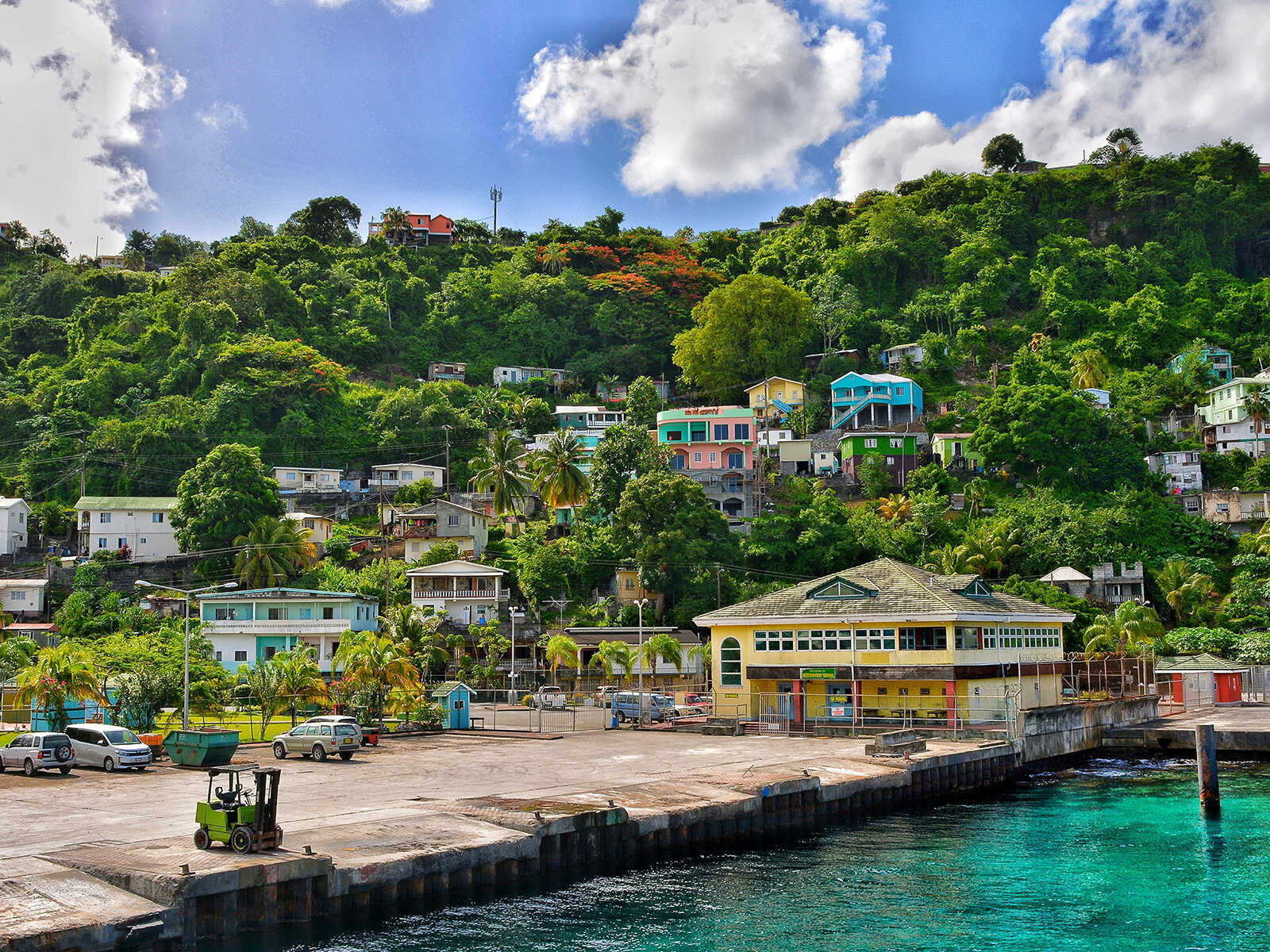
Uncovering the Culture and Traditions of St Vincent and the Grenadines
St. Vincent and the Grenadines (SVG) is more than just stunning beaches and crystal-clear waters; it's a vibrant mosaic of history, resilience, and unique traditions. Delve into the heart of these islands and discover a culture shaped by diverse influences, expressed through lively music, delicious cuisine, and the warm spirit of its people.
A Tapestry of Influences: A Brief History
The cultural bedrock of St. Vincent and the Grenadines is a rich blend of indigenous Carib and Arawak heritage, African resilience, and European colonial legacies, primarily French and British. These influences have converged over centuries, creating a distinctive Vincentian identity.
Originally inhabited by the Caribs, who fiercely resisted European colonization, St. Vincent became a melting pot following the arrival of enslaved Africans and later indentured laborers. The unique Garifuna people, descendants of shipwrecked African slaves and indigenous Caribs, originated on St. Vincent before their forced relocation, leaving an indelible mark on the island's history and continuing to influence its cultural narrative.
The active volcano,La Soufrière, has also played a significant role in shaping the island's history, from its geographical formation to its impact on early settlements and the resilience of its people.
The Rhythms of Life: Music and Dance
Music is the soul of St. Vincent and the Grenadines, a constant, vibrant presence woven into the fabric of daily life and celebration. From the rhythmic pulse of African drums to the melodious strains of European folk, Vincentian music tells stories, expresses joy, and inspires movement.
- Calypso and Soca:These genres are synonymous with Caribbean festivities, especially during Vincy Mas (Carnival). Calypso, known for its lyrical storytelling and social commentary, and Soca, with its high-energy dance beats, dominate the airwaves and street parties.
- Steel Pan:The mesmerizing sound of the steel pan, a remarkable innovation born from repurposed oil drums, is a beloved part of Vincentian music. Steel pan orchestras perform intricate arrangements, showcasing incredible talent and ingenuity.
- String Bands:For a taste of traditional folk music, look for local string bands. Often featuring guitars, banjos, cuatro, and bass, these groups play lively tunes that invite dancing and community gathering.
- Quadrille:A formal, often intricate dance brought over during colonial times, the Quadrille is still performed by cultural groups, particularly on islands like Mayreau and Union Island, preserving a piece of the islands' social history.
Flavors of the Islands: Culinary Traditions
Vincentian cuisine is a delightful reflection of its fertile lands and abundant seas, bursting with fresh ingredients and aromatic spices. Eating here is an immersive cultural experience, rooted in local produce and traditional cooking methods.
The national dish,roasted breadfruit and fried jackfish, perfectly encapsulates the island's simple yet delicious philosophy. Breadfruit, a versatile staple introduced centuries ago, is often roasted over an open fire, giving it a unique smoky flavor.
Must-Try Local Dishes:
- Callaloo Soup:A nutritious and flavorful soup made from the leaves of the taro plant, often with coconut milk and various meats or fish.
- Pelau:A one-pot rice dish cooked with pigeon peas, meat (often chicken or beef), and a medley of vegetables and spices.
- Fresh Seafood:Given the surrounding waters, fresh fish (snapper, mahi-mahi), conch, and lobster are staples. Enjoy them grilled, fried, or in a rich fish broth.
- Rotis:A legacy of East Indian influence, these savory flatbread wraps filled with curried meat or vegetables are a popular and satisfying meal.
- Local Juices:Refresh yourself with natural fruit juices made from mango, passion fruit, soursop, or tamarind.
Many ingredients used in Vincentian cooking can be observed growing at the Botanical Gardens, offering insight into the island's rich agricultural heritage.
Art, Craft, and Storytelling
The creative spirit of St. Vincent and the Grenadines is evident in its vibrant arts and crafts. Local artisans often draw inspiration from the natural beauty of the islands and their rich history.
- Basketry and Weaving:Using natural fibers like reeds, grasses, and palm leaves, skilled craftspeople create intricate baskets, mats, and decorative items.
- Pottery:Traditional pottery, often with indigenous influences, can be found, reflecting ancient techniques passed down through generations.
- Wood Carvings:Intricately carved wooden pieces, depicting local wildlife, figures, or abstract designs, are popular souvenirs.
Oral traditions and storytelling also play a crucial role. From folktales about mischievous Anansi the spider to historical accounts passed down through generations, these narratives keep the island's past alive and connect communities.
Festivals and Celebrations: The Heartbeat of SVG
Vincentians love to celebrate, and their calendar is punctuated with lively festivals that showcase their culture, faith, and communal spirit.
- Vincy Mas (Carnival):The biggest and most anticipated event, usually held from late June to early July. Vincy Mas is a spectacular display of colorful costumes, pulsating calypso and soca music, street parades, and dancing. It's an explosion of joy and creative expression.
- Nine Mornings:A unique Vincentian Christmas tradition, Nine Mornings involves pre-dawn street parties, serenading, and sea baths in the nine days leading up to Christmas Day. It's a truly special cultural experience.
- Fisherman's Day:Celebrated on Whit Monday, this event honors the island's fishing communities. Expect boat races, fish-eating competitions, and vibrant celebrations, particularly in coastal towns and smaller islands like Union Island.
- Independence Day:On October 27th, Vincentians celebrate their independence with parades, cultural shows, and national pride.
Community and Hospitality: The Vincentian Spirit
Perhaps the most enduring aspect of Vincentian culture is the warmth and hospitality of its people. Family values, strong community bonds, and a deep sense of respect are central to daily life. Visitors are often welcomed with genuine friendliness and an eagerness to share their island home.
Whether you're exploring the bustling markets of Kingstown, hiking to Dark View Falls with a local guide, or simply relaxing on the shores of Tobago Cays, you'll encounter a spirit of generosity and camaraderie. Take the opportunity to engage with locals; their stories and insights will enrich your journey immeasurably.
Even on exclusive islands like Palm Island,Petit Saint Vincent, or Young Island, the influence of Vincentian staff and local interactions ensures that the authentic island spirit is never far away.
Preserving Heritage: Eco-Cultural Tourism
St. Vincent and the Grenadines is increasingly focused on sustainable tourism that not only protects its pristine natural environment but also preserves and promotes its rich cultural heritage. Efforts are made to support local artisans, encourage traditional farming practices, and ensure that cultural experiences benefit the communities directly.
Visitors can contribute by choosing local tour operators, purchasing authentic crafts, and respectfully participating in cultural events. Exploring sites like the Owia Salt Pond, often maintained by local communities, offers a glimpse into a harmonious relationship between people and nature.
Experiencing SVG's Culture Firsthand
To truly uncover the culture and traditions of St. Vincent and the Grenadines, step beyond the resort walls and immerse yourself:
- Visit Local Markets:Engage with vendors, sample fresh produce, and absorb the lively atmosphere.
- Attend a Local Event:Whether it's a church service, a village fair, or a street party, these are excellent ways to witness local life.
- Try Local Cuisine:Seek out small, family-run eateries for authentic, home-cooked meals.
- Learn a Few Patois Phrases:While English is the official language, a few words of Vincentian Creole (Patois) will be greatly appreciated.
- Take a Cultural Tour:Many local guides offer tours focused on history, food, or specific cultural sites. Consider a visit to Petit Tabac and learn about its local significance.
St. Vincent and the Grenadines offers a profound journey into a culture that is both resilient and celebratory. By embracing its history, savoring its flavors, and connecting with its people, you'll discover the true heart of these enchanting Caribbean islands.