
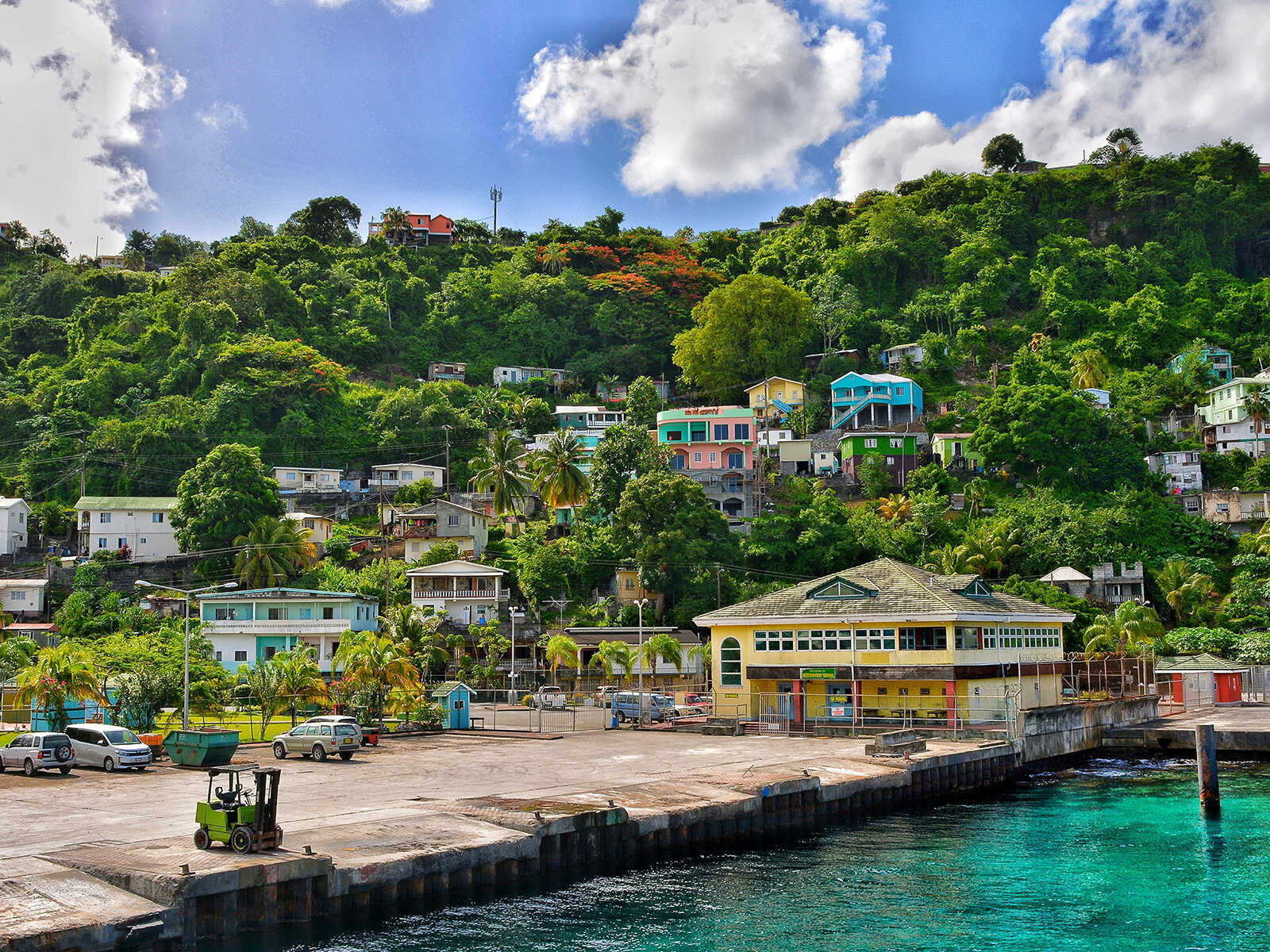
The Rich History of St Vincent and the Grenadines: A Traveler's Guide
St. Vincent and the Grenadines (SVG) is more than just a paradise of pristine beaches and turquoise waters; it's a living museum, steeped in a rich and compelling history. From the resilient indigenous Kalinago people to the colonial struggles and the vibrant cultural tapestry of today, every corner of these islands tells a story waiting to be discovered by the curious traveler.
A Tapestry of Time: St. Vincent and the Grenadines' Historical Journey
Indigenous Roots: The Kalinago Legacy
Long before European ships dotted the horizon, St. Vincent, known asHairoun("Land of the Blessed") to its first inhabitants, was home to the Kalinago people (often referred to as Caribs). These skilled navigators and fierce warriors had migrated from South America, establishing a vibrant culture and fiercely defending their territory. St. Vincent remained one of the last bastions of Kalinago resistance against European colonization, a testament to their strength and determination.
Did you know?The Kalinago people were renowned for their complex social structures, unique agricultural practices, and impressive canoe-building skills, allowing them to dominate the Lesser Antilles for centuries.
Traces of their presence can still be found today, particularly in the northern reaches of St. Vincent, offering a poignant connection to the island's earliest inhabitants. The Owia Salt Pond, for instance, holds significant petroglyphs, ancient rock carvings that whisper tales of the past.
European Arrival and Colonial Strife
Christopher Columbus is credited with sighting St. Vincent in 1498, but it was the Kalinago's strong defense that deterred early European settlement. For nearly two centuries, the island remained largely neutral territory, coveted by both the French and the British. This period saw intermittent skirmishes and treaties, with control often shifting, shaping a complex identity for the island.
The 18th century marked a turning point. Both powers recognized the strategic and agricultural potential of St. Vincent. The Treaty of Paris in 1763 officially ceded St. Vincent to the British, leading to the establishment of plantations and the capital, Kingstown.
The Era of Sugar and Slavery
With British control came the widespread introduction of sugar cane cultivation, driving a massive demand for labor. Thousands of enslaved Africans were forcibly brought to St. Vincent, transforming the island's demographics and economy. The fusion of African and Kalinago cultures, particularly through intermarriage and shared resistance, led to the emergence of the Garifuna people (Black Caribs), a distinct ethnic group whose rich heritage continues to thrive today.
The late 18th century was also marked by the Second Carib War (1795-1797), a brutal conflict between the British and the Garifuna, led by Paramount Chief Joseph Chatoyer. This war ultimately led to the tragic deportation of thousands of Garifuna to Roatán, Honduras, though their legacy remains a powerful part of SVG's story.
Emancipation and the Path to Independence
Slavery was abolished in the British Empire in 1834, followed by an apprenticeship period. While freedom brought new challenges, it also sparked a new era of social and political development. The 20th century saw the rise of labor movements, greater political participation, and a growing sense of national identity. St. Vincent and the Grenadines progressed through various stages of self-governance, eventually joining the West Indies Federation before achieving full independence on October 27, 1979.
Key Historical Sites and Experiences for Travelers
Exploring Kingstown's Heritage
The capital, Kingstown, is a treasure trove of historical architecture and stories.
- Fort Charlotte:Perched high above Kingstown, this British colonial fort, built in 1806, offers panoramic views of the city, harbor, and Grenadine islands. Explore its barracks and learn about its strategic importance.
- Botanical Gardens:Established in 1765, these are the oldest botanical gardens in the Western Hemisphere. They played a crucial role in introducing plants like the breadfruit (brought by Captain Bligh) to the Caribbean, significantly impacting regional agriculture and history.
- St. George's Anglican Cathedral:A beautiful example of Georgian architecture, dating back to the early 19th century, reflecting the island's colonial past.
- Kingstown Market:While not a historical monument in itself, the bustling market offers a vibrant glimpse into local life and commerce that has sustained the island for centuries.
Tracing Kalinago History
Venture north to connect with the island's indigenous roots:
- Owia Salt Pond:Discover the ancient petroglyphs carved by the Kalinago people on rocks surrounding this unique natural tidal pool. It's a place of both historical significance and natural beauty.
- Dark View Falls:While primarily a natural attraction, these twin waterfalls are located in an area rich in indigenous history, often visited in conjunction with other northern sites.
The Grenadines: Maritime History and Island Life
The smaller islands of the Grenadines offer a different perspective on SVG's past, particularly its maritime heritage.
- Bequia:Known for its rich whaling history (now strictly regulated for traditional purposes) and impressive boat-building traditions, Bequia offers a glimpse into a seafaring past. The local museum provides excellent insights.
- Union Island:Often called the "Gateway to the Grenadines," Union Island has long been a strategic hub for inter-island travel and trade, connecting travelers to gems like the Tobago Cays.
- Mayreau:One of the smallest inhabited Grenadine islands, Mayreau offers a tranquil escape and a chance to experience authentic island life, largely untouched by major development.
- Luxury and History:Islands like Young Island,Palm Island, and Petit Saint Vincent, while known for their exclusive resorts today, each have their own unique stories of development and transformation from their earlier, less glamorous roles. The history of private island ownership and development is a compelling modern chapter in the Grenadines' narrative.
Experiencing History Today: Practical Tips
- Engage with Local Guides:Many local guides are passionate storytellers, offering invaluable insights into the history and culture of their islands.
- Visit Museums:The National Museum in Kingstown houses artifacts and exhibits that trace the country's journey from pre-Columbian times to independence.
- Attend Festivals:Experience vibrant cultural festivals like Carnival (Vincy Mas) or Emancipation Day celebrations, which are deeply rooted in the islands' history and heritage.
- Respect the Sites:When visiting historical sites, be mindful of their significance and help preserve them for future generations.
Planning Your Historical Journey
St. Vincent and the Grenadines offers a unique blend of historical exploration and natural beauty. The dry season (December to May) is generally considered the best time to visit for pleasant weather, ideal for exploring historical sites and hiking to places like La Soufrière volcano, another powerful natural force that has shaped the island's landscape and history.
Transportation between islands is readily available via ferries, private water taxis, and local flights, making it easy to hop from the bustling historical sites of St. Vincent to the tranquil, historically significant smaller islands of the Grenadines.
St. Vincent and the Grenadines invites you not just to relax on its beaches, but to journey through its past. Every crumbling fort wall, every ancient carving, and every vibrant cultural display offers a window into the souls of the people who have shaped these islands. Come and uncover the fascinating stories that lie beneath the surface of this Caribbean gem.