
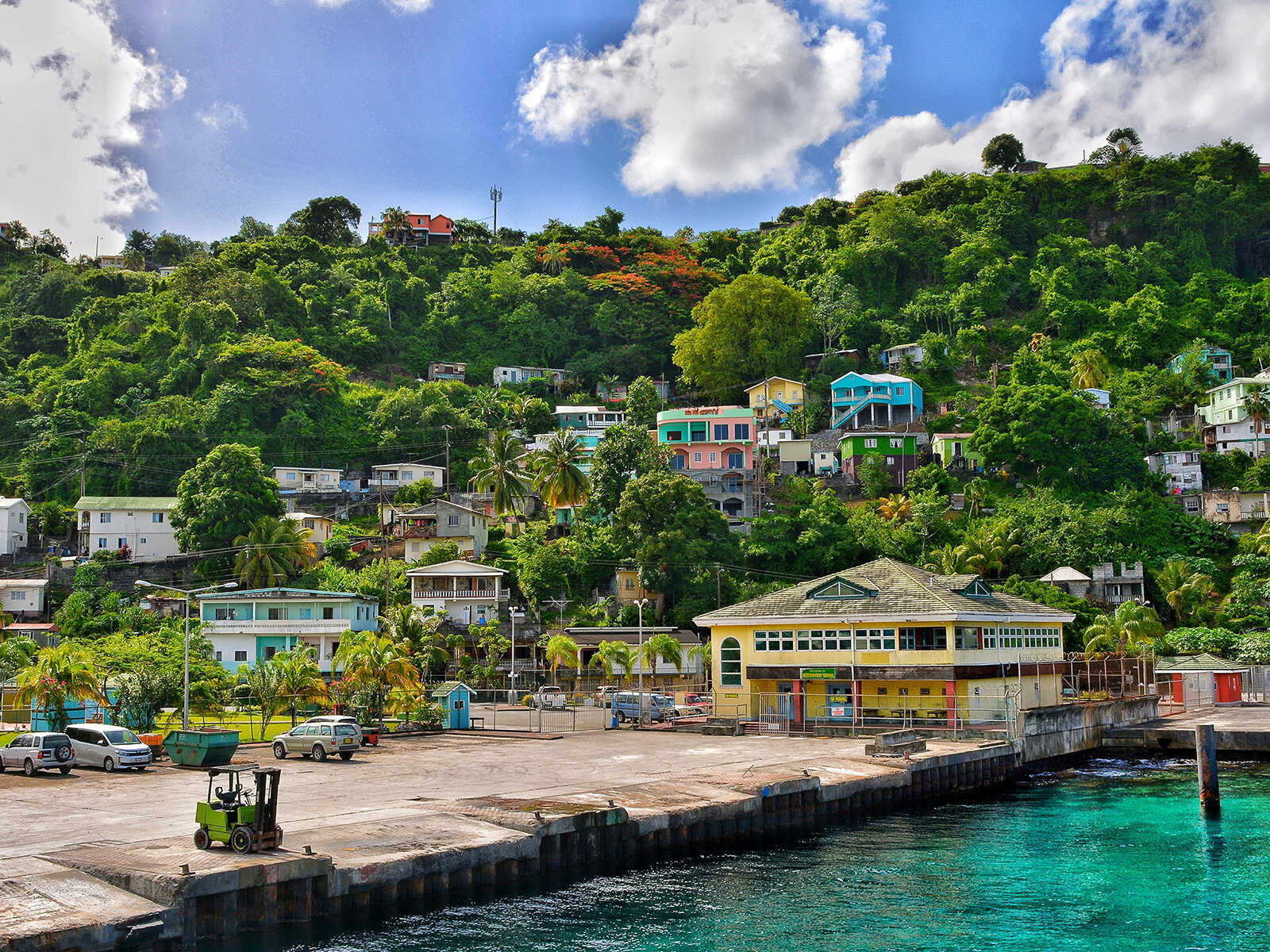
Is St Vincent and the Grenadines Safe for Travelers?
St Vincent and the Grenadines (SVG) offers an idyllic escape with its lush landscapes and pristine waters, drawing visitors seeking adventure and tranquility. Like any travel destination, understanding the local safety landscape is key to a worry-free vacation. This comprehensive guide provides practical insights into staying safe while exploring this beautiful Caribbean nation.
Understanding Safety in St Vincent and the Grenadines
Generally, St Vincent and the Grenadines is considered a safe destination for tourists. The vast majority of visitors experience no issues and enjoy their time exploring the islands. However, like any country, crime does exist, and travelers should exercise standard precautions. Most incidents involving tourists are opportunistic petty crimes, such as pickpocketing or bag snatching, rather than violent offenses.
The Grenadines, a string of smaller islands south of mainland St Vincent, are often perceived as even more tranquil and have a lower incidence of crime. This makes them particularly appealing for those seeking a secluded and peaceful experience, whether chartering a yacht to the Tobago Cays or relaxing on Palm Island.
Common Sense Precautions
Adopting a proactive approach to safety can significantly enhance your travel experience. Here are some fundamental tips applicable across the islands:
- Be Aware of Your Surroundings:Pay attention, especially in crowded areas like markets or bus terminals.
- Secure Valuables:Use hotel safes for passports, significant sums of cash, and expensive jewelry. Carry only what you need for the day.
- Avoid Displaying Wealth:Try not to openly display expensive cameras, phones, or excessive jewelry.
- Walk with Confidence:Project an air of purpose, even if you're unsure of your way.
- Limit Nighttime Travel:Avoid walking alone in poorly lit or unfamiliar areas after dark. Use reputable taxis for evening outings.
Addressing Specific Safety Concerns
Petty Crime and Theft
The most common type of crime affecting tourists is petty theft. This can occur anywhere but is more prevalent in busier areas such as Kingstown, the capital of St Vincent, and around popular tourist spots. Opportunistic thieves may target unattended bags on beaches or items left visible in rental cars.
Travel Tip:When dining at beachfront restaurants or relaxing on the sand, always keep an eye on your belongings. Consider using a waterproof dry bag for essentials if you plan to swim.
Road Safety and Transportation
Driving in St Vincent can be challenging due to narrow, winding roads, steep inclines, and occasional potholes. Local driving habits can also differ from what you might be accustomed to. Public minibuses are a popular and affordable way to get around St Vincent, but they can sometimes be overcrowded and driven quickly.
- Rental Cars:If renting a car, ensure it's in good condition and consider opting for a 4x4, especially if you plan to explore more remote areas or attractions like Dark View Falls. Drive defensively and be prepared for sudden stops.
- Taxis:For reliable transportation, especially after dark, use licensed taxis. They are identifiable by their "H" license plates. Always agree on the fare before starting your journey.
- Pedestrians:Sidewalks are not always available, particularly outside of Kingstown. Walk facing oncoming traffic and be vigilant.
Water Safety and Marine Activities
The stunning waters of SVG are a major draw, offering incredible opportunities for swimming, snorkeling, diving, and sailing. While generally safe, it's important to be mindful of marine conditions.
- Swimming:Strong currents can be present in certain areas. Always observe local warnings and never swim alone, especially if you're not a strong swimmer.
- Boating & Yachting:If chartering a boat, ensure you are familiar with marine safety protocols and local navigation. Be aware of weather changes.
- Snorkeling & Diving:Use reputable tour operators for organized excursions. Always dive with a buddy and ensure your equipment is well-maintained. The marine life around the Tobago Cays is exquisite but remember to observe it from a respectful distance.
Natural Disasters
St Vincent and the Grenadines is located in an active seismic zone and within the Atlantic hurricane belt. While highly unlikely to affect most trips, it's wise to be aware:
- Hurricanes:Hurricane season typically runs from June to November. Modern weather forecasting provides ample warning, allowing for evacuation if necessary. Stay informed by monitoring local news and weather reports during this period.
- Volcanic Activity:St Vincent is home to La Soufrière, an active volcano. While eruptions are rare, authorities have robust monitoring systems and evacuation plans in place. Visitors are always advised to respect exclusion zones around the volcano.
- Earthquakes & Tsunamis:Minor tremors are not uncommon but rarely cause significant damage. The risk of a tsunami is low, but awareness of evacuation routes, particularly in coastal areas, is prudent.
Health and Medical Facilities
SVG has basic medical facilities, including a main hospital in Kingstown and smaller clinics across the islands. For serious medical emergencies or complex treatments, evacuation to a larger facility (e.g., in Barbados or the USA) may be necessary.
- Travel Insurance:Comprehensive travel insurance, including medical evacuation coverage, is highly recommended.
- Mosquito-borne Illnesses:Dengue fever and Zika virus are present. Take precautions against mosquito bites, especially at dawn and dusk, by using repellent and wearing long sleeves/pants.
- Sun Protection:The Caribbean sun is intense. Use high-SPF sunscreen, wear hats and sunglasses, and stay hydrated to prevent sunburn and heatstroke.
- Water & Food:Tap water is generally safe to drink in most areas, but bottled water is widely available if you prefer. Exercise caution with street food, ensuring it's freshly prepared and hot.
Cultural Sensitivity and Local Interactions
The people of St Vincent and the Grenadines are known for their warmth and hospitality. Engaging respectfully with locals can enrich your trip.
- Dress Modestly:While beachwear is acceptable on beaches and by pools, dress more conservatively when visiting towns, churches, or government buildings.
- Greetings:A polite "Good morning" or "Good afternoon" goes a long way.
- Photography:Always ask for permission before taking photos of individuals, especially children.
- Beggars:You may encounter beggars, particularly in Kingstown. It's up to your discretion whether to offer assistance.
Safety in the Grenadines
The Grenadine islands, including Mayreau,Union Island,Young Island,Palm Island, and Petit Saint Vincent, offer a notably relaxed atmosphere. Crime rates are significantly lower than on mainland St Vincent due to their smaller populations and more isolated nature. However, the same common-sense precautions apply:
- Vessel Security:If sailing, secure your boat and belongings, especially when anchored overnight in remote bays.
- Beach Safety:While more secluded, don't leave valuables unattended on beaches.
- Local Guides:When exploring, consider hiring a local guide, particularly for navigating trails or secluded spots like the famous Petit Tabac.
Final Thoughts for a Safe Journey
St Vincent and the Grenadines is a stunning and generally safe destination that promises unforgettable experiences. By remaining mindful of your surroundings, taking sensible precautions with your belongings, and respecting local customs, you can minimize potential risks and fully immerse yourself in the beauty and culture of these captivating islands. Enjoy the lush Botanical Gardens, the invigorating Owia Salt Pond, and the pristine beaches with confidence.
Prepare well, stay informed, and embark on a safe and memorable adventure in St Vincent and the Grenadines.