
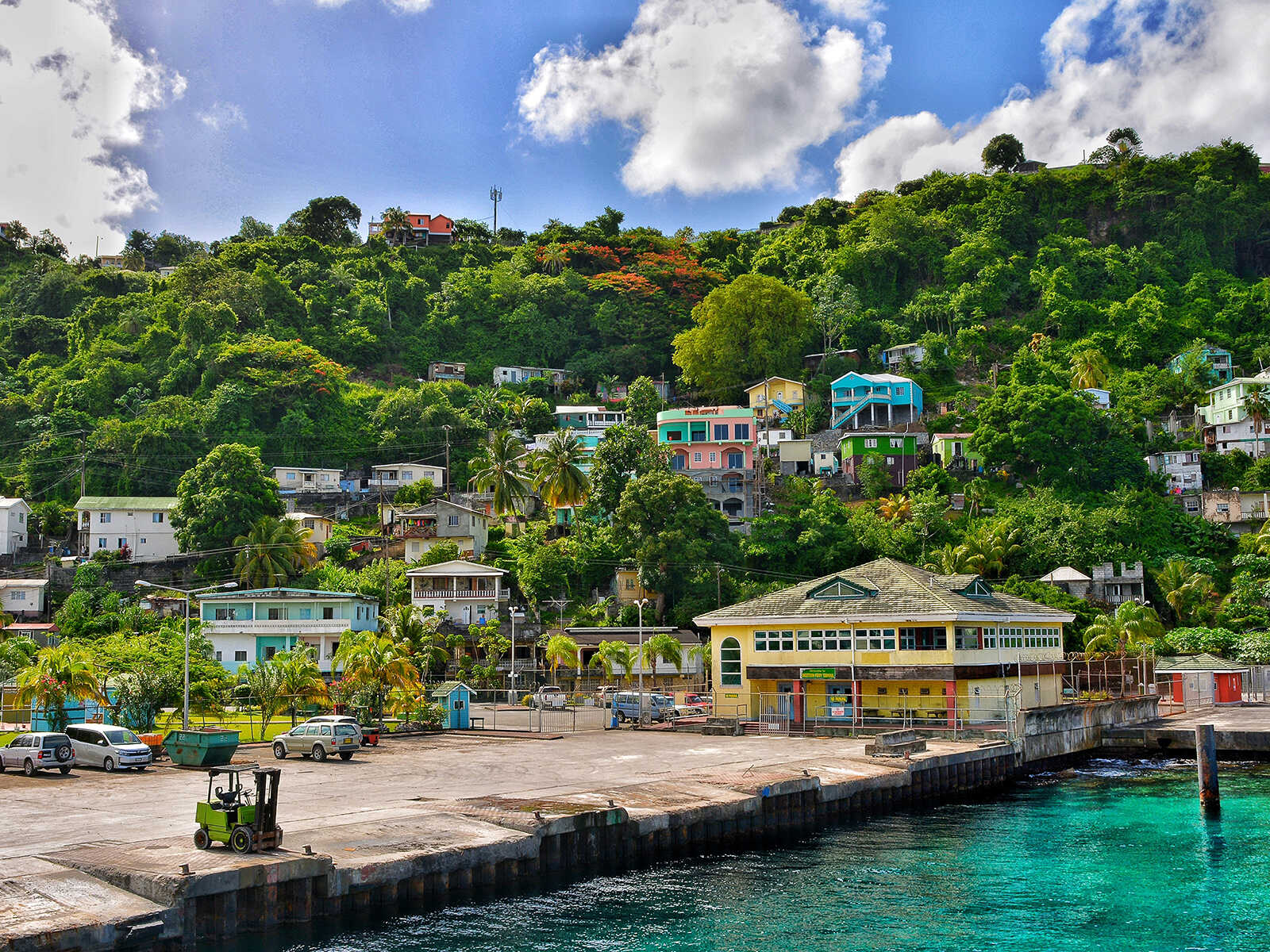
Best Time to Visit St Vincent and the Grenadines: A Seasonal Guide
St Vincent and the Grenadines offers an idyllic escape to a chain of unspoiled islands, each boasting unique charm and breathtaking beauty. Deciding the "best" time to visit this Caribbean paradise truly depends on your priorities, whether you seek sun-drenched beaches, vibrant festivals, or tranquil, uncrowded shores.
Understanding the dual nature of its tropical climate is key to planning your perfect getaway. This guide will walk you through the distinct seasons, helping you choose the ideal time for your Vincentian adventure.
Understanding the Climate of St Vincent and the Grenadines
St Vincent and the Grenadines experiences a tropical climate, characterized by warm temperatures year-round, typically ranging from 27-30°C (80-86°F). The islands are subject to two main seasons:
- The Dry Season:Generally runs from December to May.
- The Wet Season:Typically from June to November.
Trade winds provide a constant, refreshing breeze, making even the warmest days comfortable. However, each season brings its own unique set of conditions and experiences.
The Dry Season (Peak Season): December to May
Considered the prime time for many visitors, the dry season offers consistently beautiful weather that perfectly complements a classic Caribbean vacation.
Weather and Conditions
Expect an abundance of sunshine, lower humidity, and gentle, cooling trade winds. Rainfall is minimal, usually limited to brief, light showers, making it ideal for outdoor activities and enjoying the pristine beaches.
Crowds and Atmosphere
This is the most popular period, especially around Christmas, New Year, and Easter. You'll find a lively atmosphere, particularly in popular spots and sailing hubs like Union Island. Expect more visitors, which can lead to higher demand for accommodations and services.
Activities During the Dry Season
The dry season is perfect for:
- Sailing and Yachting:Stable winds and calm seas make for excellent conditions to explore the Grenadines, with the Tobago Cays being a perennial highlight.
- Diving and Snorkeling:Optimal visibility underwater, allowing for breathtaking encounters with vibrant marine life and coral reefs.
- Beach Relaxation:Enjoy endless days on sun-drenched shores across the islands.
- Hiking:Trails, including the challenging ascent to La Soufrière volcano, are more comfortable due to less mud and humidity.
Pros and Cons of Visiting in Dry Season
- Pros:Optimal weather, calm seas, excellent visibility for water sports, vibrant social scene, generally lower insect activity.
- Cons:Higher demand for accommodations and flights, potentially more crowded attractions, can be a more expensive time to travel.
The Wet Season (Low Season): June to November
While often dubbed the "wet" season, this period offers a different, yet equally enchanting, side of St Vincent and the Grenadines, characterized by lush landscapes and fewer crowds.
Weather and Conditions
This season brings higher humidity and more frequent, though often short and intense, tropical showers. It's rare for an entire day to be completely rained out, with sunshine typically breaking through between showers. Temperatures remain warm. It is alsohurricane seasonin the Atlantic, with the highest risk generally from August to October.
Crowds and Atmosphere
With significantly fewer tourists, the wet season offers a more tranquil and intimate experience. You'll find greater availability for accommodations, a more relaxed pace, and a chance to interact more closely with local culture. Islands like Mayreau or private retreats like Palm Island or Young Island can feel incredibly secluded.
Activities During the Wet Season
The islands transform into incredibly lush, green paradises during this time, making it ideal for:
- Nature Exploration:Waterfalls like Dark View Falls are at their most spectacular, and the Botanical Gardens burst with vibrant flora. The unique Owia Salt Pond is also a fascinating visit.
- Diving and Snorkeling:Still excellent, often with fewer boats at popular sites like the reefs around Petit Tabac and the Tobago Cays.
- Cultural Immersion:Experience local life without the bustling crowds. Vincy Mas (St. Vincent Carnival) typically takes place in late June/early July, offering a vibrant cultural spectacle.
Pros and Cons of Visiting in Wet Season
- Pros:Fewer crowds, lush and vibrant landscapes, potentially better deals on travel and lodging, a more intimate and authentic experience.
- Cons:Higher humidity, increased chance of rain, risk of hurricanes (especially from August to October), some smaller businesses or tour operators might have reduced hours.
Tip for Wet Season Travel:Always consider comprehensive travel insurance if visiting during hurricane season. While direct hits are rare, tropical storms can disrupt travel plans, and insurance can cover unexpected cancellations or delays.
Month-by-Month Snapshot
- December - February:Peak dry season. Excellent weather for all activities, but expect higher prices and more visitors, especially around holidays.
- March - May:Continues dry, often with slightly fewer crowds than the winter holidays. Perfect for sailing, diving, and enjoying quieter luxury islands like Petit Saint Vincent.
- June - August:Marks the start of the wet season and hurricane watch. Still plenty of sunshine, but be prepared for occasional showers. Vincy Mas in late June/early July brings vibrant celebrations.
- September - November:Highest hurricane risk. This is the quietest time to visit. If you're flexible and willing to monitor weather forecasts, you can experience the islands at their most serene and green, with potentially significant savings.
Best Time for Specific Activities
- Sailing & Island Hopping:The dry season (December to May) offers the most reliable winds and calm seas, ideal for navigating between the Grenadines and visiting secluded coves.
- Diving & Snorkeling:Excellent year-round. Visibility is often best during the dry season, but the marine life is consistently vibrant, offering incredible sights at locations like Petit Tabac.
- Hiking & Nature Exploration:While challenging hikes like La Soufrière are best attempted in the dry season for easier footing, the wet season truly brings out the lushness of the rainforests, making attractions like Dark View Falls and the Botanical Gardens incredibly vibrant.
- Festivals & Events:Vincy Mas (St. Vincent Carnival) is a highlight, typically held in late June/early July. Other local events and regattas often dot the calendar during the dry season.
Practical Planning Tips
- Book Early for Peak Season:Accommodations and flights fill up quickly for the dry season, especially around holidays.
- Be Flexible in Low Season:If traveling during the wet or hurricane season, maintaining some flexibility with your itinerary is wise. Keep an eye on weather forecasts.
- Pack Smart:Regardless of the season, lightweight clothing, swimwear, sun protection (hat, sunglasses, reef-safe sunscreen), and insect repellent are essential. A light rain jacket is useful even in the dry season, and definitely in the wet season.
Conclusion
Ultimately, the "best" time to visit St Vincent and the Grenadines aligns with your personal travel style and priorities. Whether you crave the bustling energy and perfect weather of the dry season or the serene beauty and intimate experiences of the greener months, these islands promise an unforgettable Caribbean adventure. Each season offers a unique charm, ensuring that whenever you choose to visit, you'll discover the magic of this unspoiled paradise.