
The Fascinating History of St Lucia: A Journey Through Time
St. Lucia, a jewel of the Caribbean, boasts a history as vibrant and captivating as its landscapes. From its earliest inhabitants to its struggle for independence, the island's past is a rich tapestry of cultures, conflicts, and resilience, earning it the moniker "Helen of the West Indies." Embark on a journey through time to uncover the fascinating story behind this beautiful island nation.
The Island's First Inhabitants: Arawaks and Caribs
Before European sails dotted the horizon, St. Lucia was home to indigenous peoples who shaped its nascent culture. The first known inhabitants were the Arawaks, believed to have arrived around 200-400 AD, settling in tranquil coastal communities. They were skilled potters, farmers, and fishermen, leaving behind archaeological evidence of their peaceful existence.
By approximately 800 AD, the Arawaks were gradually displaced by the arrival of the Caribs (Kalinago), a more warlike tribe originating from mainland South America. The Caribs were formidable warriors and expert seafarers, fiercely protecting their territory. Their legacy endures in several place names and in the spirit of resilience that defines the island. They were known to utilize the island's natural resources, including the therapeutic waters of places like Sulphur Springs, the Caribbean's only drive-in volcano.
The "Helen of the West Indies": A Battleground for Empires
The dawn of European exploration brought St. Lucia into a new era of profound change and conflict. While Christopher Columbus may have sighted the island around 1500, concrete colonization attempts began much later. The English made several unsuccessful attempts to settle in the early 17th century, often repelled by the tenacious Caribs.
It was the French who established the first permanent European settlement in 1651. However, St. Lucia's strategic location and fertile lands made it a highly coveted prize, leading to an almost continuous struggle between the French and British empires. Over a period of 150 years, the island changed hands an astonishing 14 times, earning it the nickname "Helen of the West Indies," akin to Helen of Troy, whose beauty ignited a legendary war.
Key moments in this struggle include naval battles around vital harbors like Marigot Bay and the construction of fortifications at strategic points.Pigeon Island National Landmark, with its historic Fort Rodney, stands as a testament to this era, offering panoramic views once crucial for spotting approaching enemy ships. The famous British Admiral George Rodney, after whom Rodney Bay is named, played a significant role in securing the island for Britain at various points.
"St. Lucia's unique history saw its flag change hands more times than any other Caribbean island, a testament to its highly coveted strategic position and rich natural resources."
The Era of Plantations and Enslavement
With European colonization came the establishment of a plantation economy, primarily focused on sugar cane cultivation. This demand for intensive labor led to the horrific transatlantic slave trade, bringing thousands of enslaved Africans to St. Lucia. They endured brutal conditions, yet their resilience, cultural traditions, and acts of resistance profoundly shaped the island's demography, language, and customs.
The landscapes of St. Lucia still bear the marks of this era. Many estates, like the one that now houses the Diamond Botanical Gardens, were once thriving plantations. The arduous struggle for freedom culminated in the abolition of slavery in 1834, followed by an apprenticeship period. This momentous shift redefined St. Lucia's social and economic fabric, leading to new challenges and opportunities for its diverse population.
Towards Self-Governance and Independence
Following the abolition of slavery, St. Lucia embarked on a long journey towards self-governance. The late 19th and early 20th centuries saw gradual political reforms, including the introduction of universal adult suffrage in 1951, granting all adults the right to vote. St. Lucia joined the short-lived West Indies Federation in 1958, an attempt to unite several British Caribbean colonies.
In 1967, St. Lucia became an Associated State of the United Kingdom, granting it full internal self-government while Britain remained responsible for defense and external affairs. This was a crucial step towards full sovereignty. Finally, on February 22, 1979, St. Lucia achieved complete independence, becoming a sovereign parliamentary democracy within the Commonwealth. This pivotal moment marked the birth of a proud, independent nation.
Modern St Lucia: A Journey Towards Prosperity
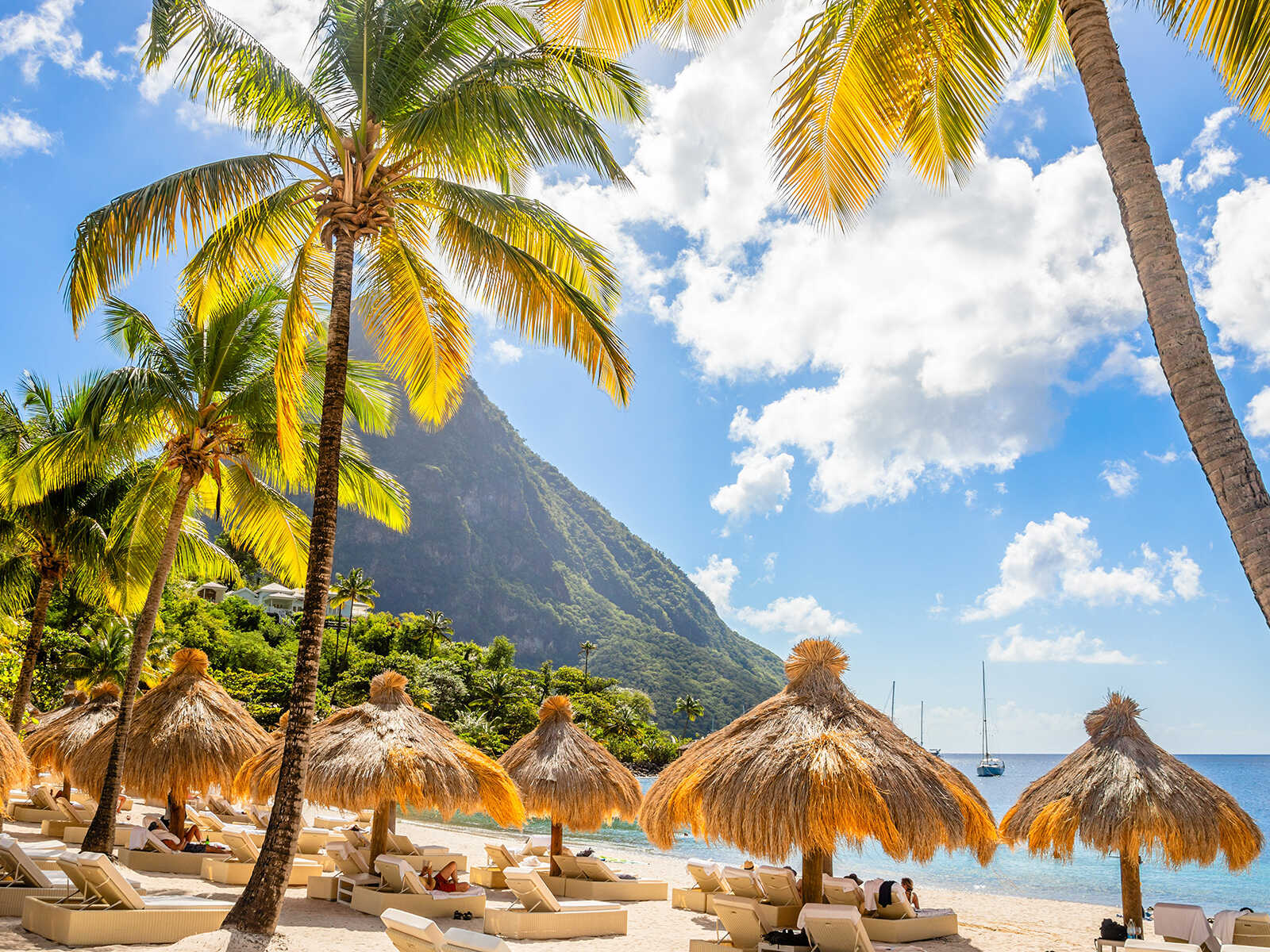
Since independence, St. Lucia has steadily developed, transforming its economy from primarily agriculture-based to one heavily reliant on tourism. The island's breathtaking natural beauty, including the iconic twin peaks of the Pitons –Gros Piton and Petit Piton – which are a UNESCO World Heritage Site, attracts visitors from across the globe. Efforts have focused on sustainable tourism, preserving both the natural environment and the rich cultural heritage.
From the lively atmosphere of Reduit Beach to the tranquil shores of Anse Chastanet Beach, the island offers a diverse range of experiences. St. Lucia continues to evolve, embracing its unique history while forging a path towards a prosperous future, celebrating its vibrant culture and warm hospitality.
Experiencing St Lucia's History Today
A visit to St. Lucia is more than just stunning beaches and lush rainforests; it's an opportunity to walk through centuries of captivating history. Explore the remnants of colonial forts, wander through botanical gardens that hint at plantation life, and immerse yourself in the natural wonders that have shaped the island from its very beginnings.
To truly appreciate St. Lucia's journey through time, consider visiting:
- Pigeon Island National Landmark: Explore military ruins, climb to Fort Rodney, and imagine the battles fought there.
- Sulphur Springs Park: Witness the raw geological power of the Caribbean's only drive-in volcano, a site used by indigenous peoples for centuries.
- Diamond Falls Botanical Gardens: Discover the beauty of tropical flora on the site of one of the island's oldest estates, featuring a mineral waterfall and historic bathhouse.
- The historic towns of Castries and Soufrière: Observe colonial architecture and vibrant local life, offering glimpses into the island's past.
St. Lucia's history is not just a collection of dates and events; it's a living narrative woven into the fabric of its landscapes, its people, and its culture. Understanding its past deepens your appreciation for this extraordinary Caribbean gem, inviting you to connect with its enduring spirit.