
St Lucian Culture & Traditions: What Visitors Should Know
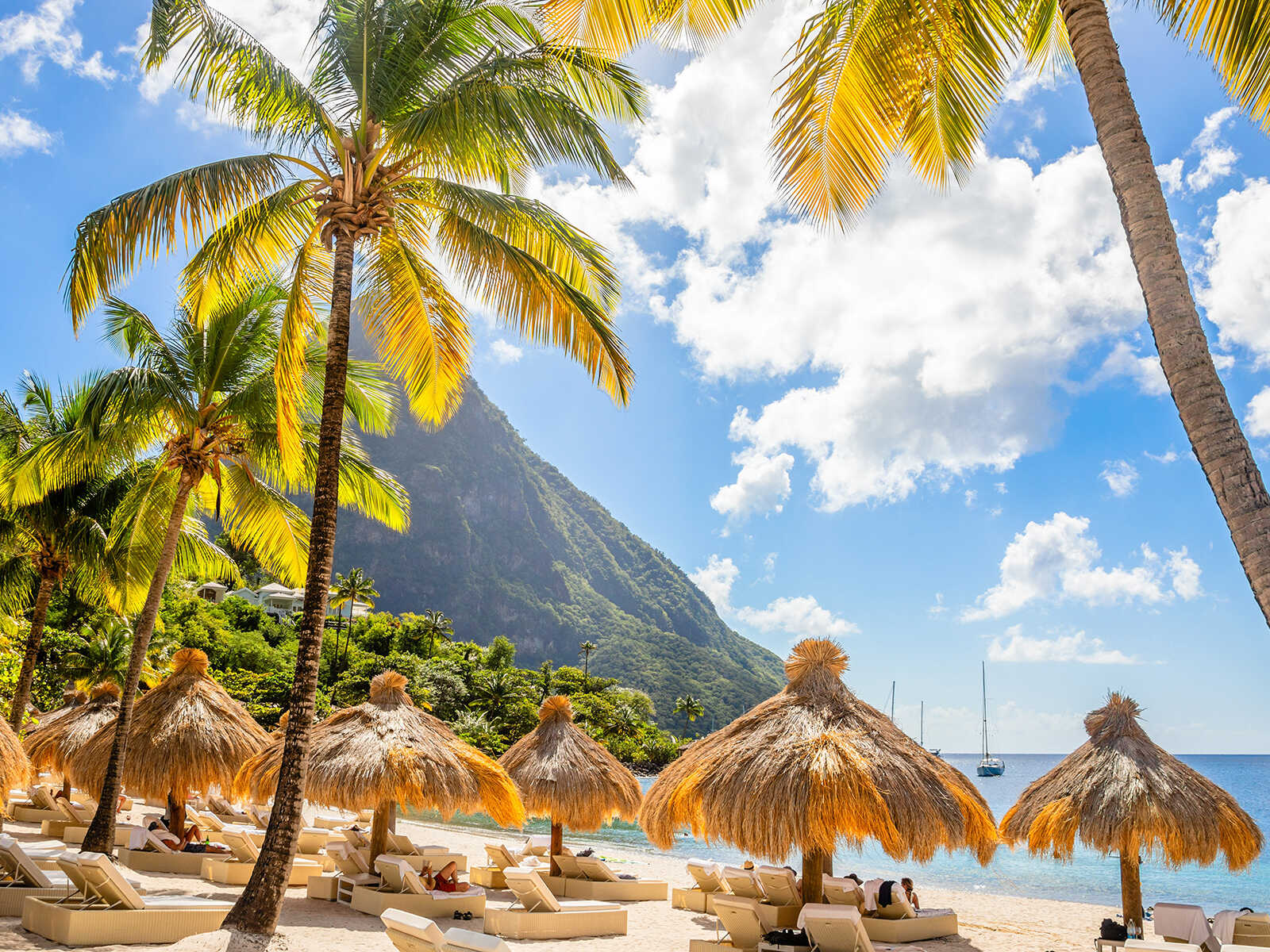
St Lucia is more than just stunning beaches and dramatic Pitons; it's a vibrant tapestry woven from diverse historical influences, warm hospitality, and deep-rooted traditions. Understanding the island's unique culture enriches any visit, allowing for deeper connections and more memorable experiences. Here's what travelers should know to appreciate the heart and soul of St Lucia.
Historical Roots and Influences
St Lucia's culture is a rich blend of indigenous Arawak and Carib heritage, African traditions brought by enslaved people, and European colonial influences, primarily French and British. The island changed hands between France and Britain 14 times, leaving an indelible mark on its language, religion, and customs. This fascinating history has forged a resilient and distinct identity.
Language: English and Kwéyòl
While English is the official language of St Lucia, you'll frequently hear locals speaking Kwéyòl (Antillean Creole), often referred to as Patois. This French-based Creole language is a significant part of St Lucian identity and is spoken by almost everyone. Learning a few basic Kwéyòl phrases can be a wonderful way to connect with locals.
- Good morning:Bonjou
- Good evening:Bonswa
- Please:Souplé
- Thank you:Mèsi
- How are you?:Sa ka fèt?
- I'm fine:Mwen byen
Tip:Don't be shy to try out a few Kwéyòl phrases! Locals appreciate the effort and will often respond with a warm smile and encouragement.
Religion and Community Life
The majority of St Lucians are Roman Catholic, a legacy of French colonization. This strong religious influence is visible in community life, from the importance of Sunday church services to the celebration of various saints' days and religious festivals. Churches often serve as central gathering places, fostering strong community bonds.
Music, Dance, and Festivities
Music and dance are integral to St Lucian life, reflecting the island's vibrant energy and diverse heritage. You'll hear a mix of genres, including Reggae, Soca, Calypso, Zouk, and local folk music. Traditional dances like the Quadrille, Maypole, and Bele are performed at cultural events.
The island truly comes alive during its numerous festivals:
- St Lucia Carnival (July):A spectacular display of colorful costumes, pulsating music (Soca and Calypso), and street parades. While not as large as Trinidad's, it's a lively and joyous celebration.
- Creole Heritage Month & Jounen Kwéyòl (October):A month-long celebration culminating in Jounen Kwéyòl (Creole Day) on the last Sunday. Communities across the island showcase traditional food, music, dance, and dress, embracing their Kwéyòl identity. This is an excellent time to experience authentic local culture.
- La Rose (August 30) & La Marguerite (October 17):These two rival flower societies hold elaborate festivals showcasing traditional songs, dances, and hierarchical structures, paying homage to their historical roots.
- Fisherman's Feast (June):Celebrated in fishing villages, this vibrant festival honors St Peter, the patron saint of fishermen, with boat blessings, parades, and plenty of fresh seafood.
- Christmas and New Year:Celebrated with carol singing, local dishes, family gatherings, and lively street parties.
Even outside of major festivals, you can often find lively music and dancing, especially in areas like Rodney Bay, known for its vibrant nightlife and Friday night street parties.
St Lucian Cuisine: A Flavorful Journey
St Lucian food is a delicious fusion of African, Creole, French, and East Indian influences, characterized by fresh, local ingredients and aromatic spices. Seafood features prominently, as does a variety of tropical fruits and vegetables. Don't leave without trying some of these staples:
- Green Fig and Saltfish:The national dish, made with unripe bananas (green figs), salted codfish, and a medley of herbs and spices.
- Accra:Fried fish cakes, often served with a spicy sauce.
- Bakes:Fried dough, sometimes sweet, sometimes savory, often served with breakfast.
- Callaloo Soup:A hearty soup made from leafy greens (callaloo), coconut milk, and various meats or seafood.
- Roti:A popular East Indian-influenced flatbread, usually filled with curried chicken, beef, or vegetables.
- Fresh Seafood:Grilled fish, lobster, conch, and shrimp are abundant and delicious.
You can find incredible local food at street vendors, small eateries, and local markets. Be sure to explore the culinary delights beyond your resort.
Arts and Crafts
St Lucian artisans create beautiful and unique crafts that reflect the island's natural beauty and cultural heritage. Look for:
- Wood Carvings:Intricate carvings depicting local life, animals, and the iconic Pitons.
- Pottery:Hand-crafted ceramic pieces, often with vibrant colors and traditional designs.
- Batik:Fabric art created using a wax-resist dyeing technique, producing stunning patterns and images.
- Woven Baskets and Straw Goods:Practical and decorative items made from natural fibers.
These can be found at local markets, craft shops, and even near popular attractions like Diamond Botanical Gardens or Sulphur Springs.
Social Etiquette and Customs
St Lucians are generally warm, friendly, and respectful. Adhering to a few cultural norms will enhance your interactions:
- Greetings:Always greet people with "Good morning," "Good afternoon," or "Good evening" before launching into a request or question. Directness without a greeting can be considered impolite.
- Dress Code:While casual wear is fine for beaches like Reduit Beach or Anse Chastanet Beach, avoid overly revealing attire when in towns, religious sites, or formal settings. Swimwear should be reserved for the beach or pool areas.
- Respect for Elders:Show deference to elders in conversation and actions.
- "Island Time":Things often move at a slower, more relaxed pace. Patience is a virtue, and appointments may not always run exactly on schedule. Embrace the relaxed atmosphere.
- Tipping:Tipping is customary for good service in restaurants, bars, and for tour guides.
Family and Community Values
Family is at the core of St Lucian society, with strong intergenerational ties. The community spirit is also very strong, especially in smaller villages. Visitors will often witness neighbors helping each other, lively social gatherings, and a general sense of collective responsibility.
Respecting the Natural Heritage
St Lucians have a deep appreciation for their island's natural beauty. From the iconic twin peaks of Gros Piton and Petit Piton to the lush rainforests and marine reserves, the environment is cherished. Visitors are encouraged to dispose of waste properly, respect local flora and fauna, and support sustainable tourism practices to help preserve this paradise for future generations.
Engaging with St Lucian culture offers a deeper, more authentic travel experience than simply admiring its landscapes. By understanding and respecting its traditions, you'll discover the true warmth and spirit of this remarkable Caribbean gem.