
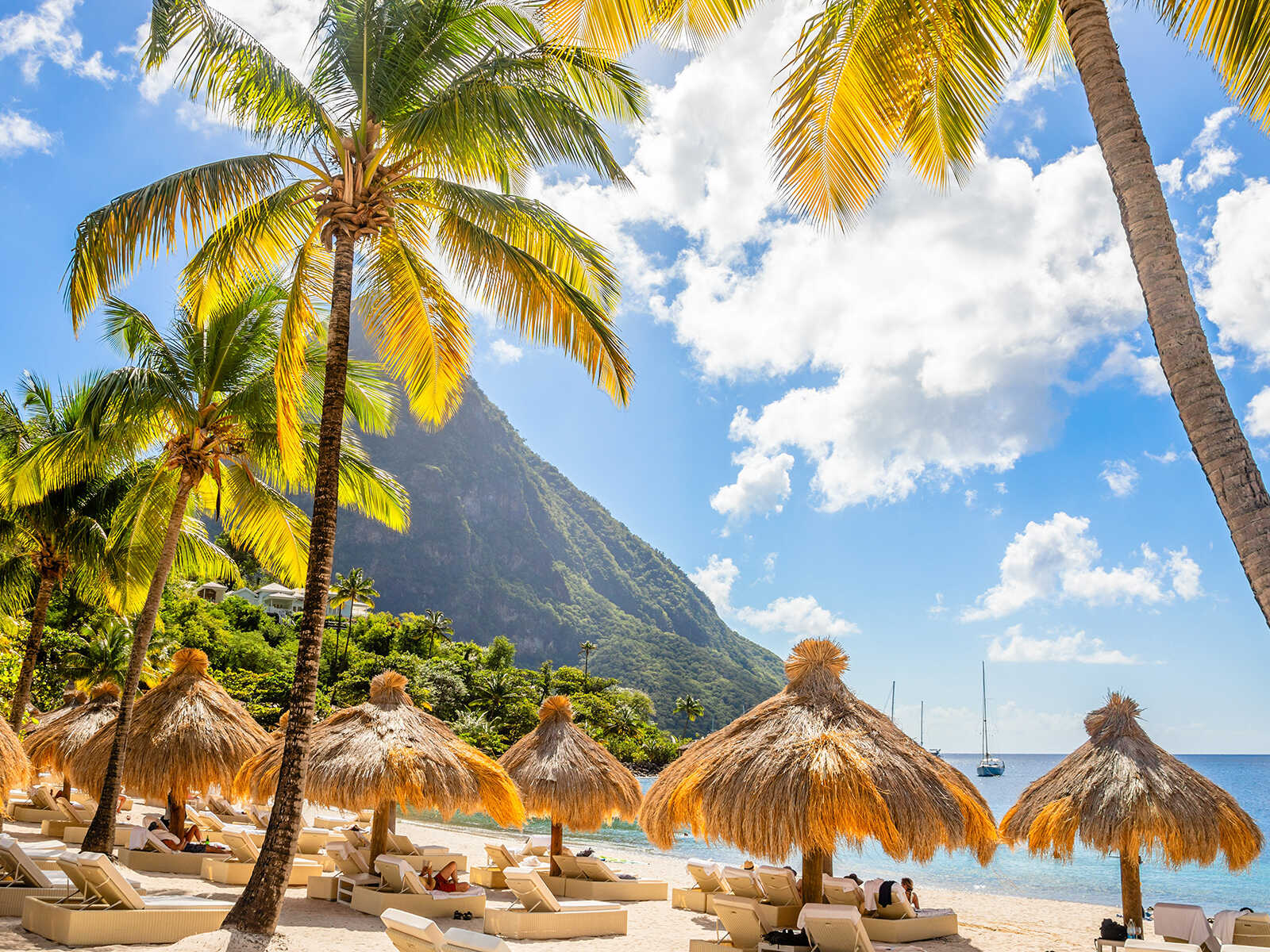
St Lucia Wildlife: Discovering the Island's Unique Flora and Fauna
St Lucia, a jewel of the Caribbean, is renowned not only for its stunning beaches and volcanic peaks but also for its incredibly rich biodiversity. This lush island nation offers an immersive experience into a vibrant ecosystem, teeming with unique flora and fauna waiting to be explored by nature enthusiasts.
From the depths of its azure waters to the heights of its misty rainforests, St Lucia provides a sanctuary for a diverse array of species. The island's volcanic origins and tropical climate have cultivated a landscape that supports a remarkable collection of endemic plants and animals, making it a truly special destination for eco-tourism.
St Lucia's Vibrant Flora: A Verdant Tapestry
The botanical beauty of St Lucia is immediately striking. The island is blanketed in a lush, tropical rainforest, particularly in its central and southern regions, where the air is thick with the scent of exotic blooms and damp earth.
Rainforest Riches
Deep within the rainforests, visitors can marvel at towering gommier trees, giant ferns, and an incredible variety of epiphytes, including orchids and bromeliads, clinging to branches. These plants thrive in the humid environment, creating a multi-layered canopy that supports countless other species.
Did you know?St Lucia boasts over 1,300 species of flowering plants, many of which are found nowhere else on Earth.
Areas like the trails around Gros Piton offer excellent opportunities to witness this dense vegetation firsthand, with specific plants adapted to the volcanic soils and microclimates of the Pitons.
Cultivated Gardens and Coastal Plants
Beyond the wild rainforests, St Lucia is also home to beautifully maintained gardens showcasing the island's botanical treasures. The Diamond Botanical Gardens, for instance, offers a curated experience with a stunning display of tropical flowers, fruit trees, and the iconic Diamond Waterfall.
Along the coastlines, a different set of flora thrives. Mangrove forests, vital for coastal protection and as nurseries for marine life, can be found in sheltered bays like parts of Marigot Bay. Beaches like Reduit Beach and Anse Chastanet Beach are fringed with sea grape trees, coconut palms, and various beach shrubs, providing shade and sustenance for local fauna.
St Lucia's Fascinating Fauna: From Air to Sea
St Lucia's animal kingdom is equally diverse, featuring a captivating mix of endemic birds, reptiles, amphibians, and a rich marine environment.
Avian Wonders
Birdwatchers will find St Lucia a paradise. The island's national bird, theSt. Lucia Parrot(Amazona versicolor), known locally as the Jacquot, is a magnificent sight with its vibrant blue, green, and red plumage. It's an endemic species, saved from extinction by dedicated conservation efforts, and can primarily be spotted in the island's central rainforest reserves.
- Hummingbirds:Several species, including the Antillean crested hummingbird and the purple-throated carib, flit among the flowers.
- St. Lucia Oriole:Another endemic gem, often seen in dry forest areas.
- Pigeon Island:Pigeon Island National Landmark is a great spot for observing coastal birds and raptors.
Reptiles and Amphibians
The island's warm, humid climate is ideal for a variety of reptiles and amphibians. You'll commonly encounter the agileSt. Lucia Anolelizard darting across paths. Larger iguanas can be seen basking in the sun, particularly in more remote, undisturbed areas. Tree frogs provide a nightly serenade with their distinctive calls, a quintessential sound of the Caribbean night.
Mammals and Marine Life
While St Lucia doesn't have large native mammals, bats are plentiful and play a crucial role in pollination and insect control. Small opossums and mongooses (an introduced species) also inhabit the island.
The true mammalian spectacle lies offshore. The waters surrounding St Lucia are a migratory path for various whale species, including humpbacks, sperm whales, and pilot whales, especially between December and May. Dolphins, such as spinner and bottlenose dolphins, are frequently sighted year-round, often putting on playful displays.
Underwater Ecosystems
St Lucia's coral reefs are bursting with life, making it a premier destination for snorkeling and diving. Sites near Anse Chastanet Beach and along the Piton Walls are particularly renowned for their healthy reefs and diverse marine inhabitants.
- Fish:Expect to see parrotfish, angelfish, barracudas, wrasses, and schools of vibrant reef fish.
- Sea Turtles:Hawksbill, green, and leatherback turtles nest on St Lucia's beaches and are often spotted gliding gracefully through the reefs. Conservation efforts are in place to protect these magnificent creatures.
- Other Invertebrates:Crabs, lobsters, sea urchins, and an array of colorful sponges and corals contribute to the rich underwater tapestry.
Even shallow waters around popular spots like Rodney Bay can surprise you with small fish, conchs, and crabs.
Where to Discover St Lucia's Wildlife
To truly appreciate St Lucia's natural treasures, consider visiting these prime locations:
- Rainforest Reserves:The Edmund Forest Reserve and the Central Forest Reserve are excellent for guided hikes to spot the St. Lucia Parrot and other endemic birds.
- Gros Piton Hike:While challenging, the trek up Gros Piton offers stunning views and a chance to experience the unique flora and fauna of the Piton ecosystem.
- Diamond Botanical Gardens:A serene and accessible way to see a wide variety of tropical plants and flowers, as well as birds attracted to the vibrant blooms.
- Marine Parks:The Soufriere Marine Management Area (SMMA), which includes areas around Anse Chastanet Beach, protects the island's most pristine coral reefs, ideal for diving and snorkeling.
- Whale and Dolphin Watching Tours:Several operators offer boat tours from various points around the island to seek out these majestic marine mammals.
- Pigeon Island National Landmark:Explore the historical ruins and enjoy panoramic views, often spotting various seabirds.
- Sulphur Springs Park:While known for its geothermal activity, the surrounding areas host unique plant life adapted to the volcanic soil.
Tips for Responsible Wildlife Spotting
To ensure a positive experience for both you and the wildlife:
- Go with a Guide:Local guides possess invaluable knowledge about the best spots, identification, and responsible viewing practices.
- Be Patient and Quiet:Animals are often shy. Patience and a quiet approach increase your chances of sightings.
- Maintain Distance:Always observe animals from a respectful distance to avoid disturbing them.
- Do Not Feed Wildlife:Feeding can alter natural behaviors and harm animals.
- Leave No Trace:Pack out everything you pack in. Do not remove any plants or natural souvenirs.
- Bring Binoculars and a Camera:These are essential for clear viewing and capturing memories without intrusion.
- Best Times:Early mornings and late afternoons are often the most active times for many species.
Conservation Efforts
St Lucia is deeply committed to preserving its unique natural heritage. Organizations like the St Lucia National Trust and the Forestry Department work tirelessly on conservation projects, including habitat protection, species recovery programs (like that for the St. Lucia Parrot), and marine protected areas. Visitors contribute to these efforts by choosing eco-friendly tours and respecting local guidelines.
Exploring St Lucia's wildlife is an enriching experience that connects you deeply with the island's natural soul. From the vibrant life beneath the waves to the rare birds soaring above the rainforest canopy, St Lucia offers an unforgettable journey into the heart of Caribbean biodiversity.