
St Lucia Snorkeling & Diving: Best Reefs and Marine Life
St. Lucia, a jewel of the Caribbean, offers an underwater world as vibrant and captivating as its lush, volcanic landscape above. With crystal-clear waters, protected marine parks, and an incredible diversity of marine life, it's a premier destination for both snorkelers and divers seeking unforgettable aquatic adventures.
From shallow, vibrant reefs teeming with colorful fish to dramatic drop-offs and intriguing shipwrecks, St. Lucia's underwater realm promises an exhilarating experience for all skill levels. Whether you're gliding over coral gardens with a snorkel or exploring deeper realms with a tank, the island's unique geology and dedicated conservation efforts ensure a spectacular show.
Top Snorkeling Spots in St. Lucia
St. Lucia's calm, clear bays and protected marine areas make it a fantastic destination for snorkeling directly from the beach or via short boat trips. Here are some of the best spots to don your mask and fins:
- Anse Chastanet Beach:Widely regarded as one of the best snorkeling sites on the island, Anse Chastanet features two distinct snorkeling areas. The reef directly offshore is easily accessible and bursts with vibrant corals, sponges, and countless fish species like parrotfish, angelfish, and trumpetfish. The calmer, shallow waters are perfect for beginners.
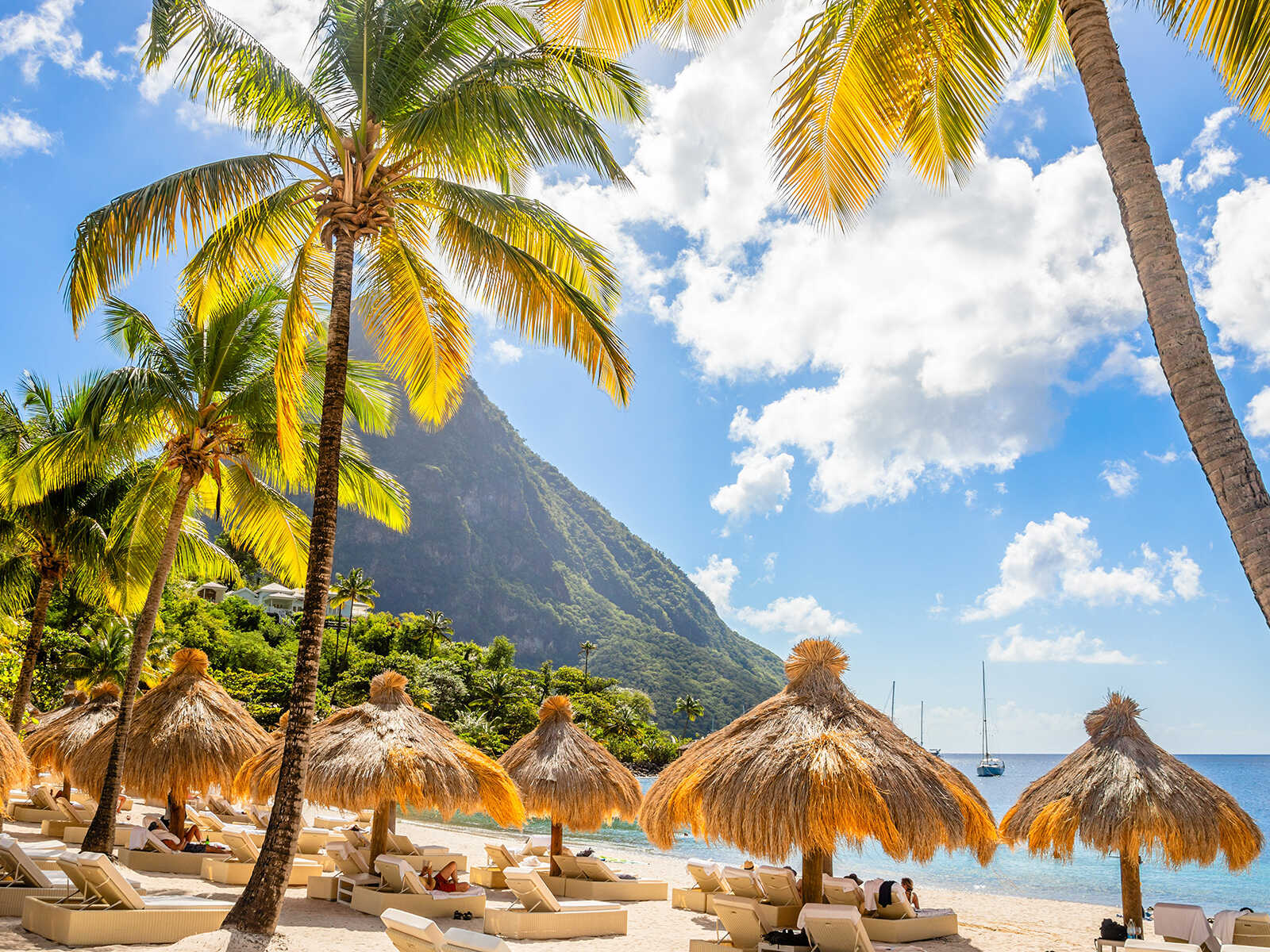
- Sugar Beach (Jalousie Beach):Nestled between the iconic Pitons, Sugar Beach offers stunning views both above and below the water. Its marine reserve status ensures healthy coral formations and a rich variety of fish. The deep drop-off just beyond the reef also provides a glimpse into deeper marine ecosystems for more experienced snorkelers.
- Anse Cochon:Accessible primarily by boat, Anse Cochon is a secluded bay known for its pristine waters and healthy reef system. It's often less crowded than other spots, offering a tranquil snorkeling experience amongst brain coral, sea fans, and schools of snapper and barracuda.
- Pigeon Island National Park:While primarily known for its historical ruins and scenic hikes, the waters surrounding Pigeon Island also offer decent snorkeling opportunities, especially around the rocky outcrops. Expect to see smaller reef fish and some coral formations. It's a great option for a combined land and sea excursion.
- Marigot Bay:Known as one of the most beautiful bays in the Caribbean,Marigot Bay offers some sheltered areas for snorkeling, particularly near the entrance and around the smaller islets. While perhaps not as diverse as the Soufriere sites, it's a convenient option for those staying nearby.
Premier Diving Sites in St. Lucia
For certified divers, St. Lucia’s volcanic origins have created a dramatic underwater landscape, featuring sheer walls, lava flows, pinnacles, and intricate caves. Much of the best diving is concentrated within the Soufriere Marine Management Area (SMMA), a protected zone ensuring the health and vibrancy of the marine ecosystem.
Soufriere Marine Management Area (SMMA)
Established in 1995, the SMMA is crucial for St. Lucia's marine conservation, balancing tourism with the protection of its fragile ecosystems. Diving within this area offers unparalleled experiences.
Diver's Tip:Always dive with a reputable, certified dive operator in St. Lucia. They are knowledgeable about local conditions, marine life, and safety protocols, ensuring a memorable and safe experience.
Notable Dive Sites:
- Lesleen M Wreck:This 165-foot freighter was intentionally sunk in 1986 to create an artificial reef. Lying at approximately 60 feet, it's now home to a thriving community of marine life, including barracuda, moray eels, and schools of reef fish. It's an excellent wreck dive for beginners and experienced divers alike.
- Superman's Flight / Piton Wall:Named for a scene filmed here, this site offers a dramatic drift dive along the base of Petit Piton. Divers glide past vibrant corals, sponges, and often encounter larger pelagic species. The wall drops to impressive depths, providing a thrilling experience.
- Fairy Land:A shallower dive site, Fairy Land is known for its beautiful coral gardens and abundant macro life. It's a photographer's dream, with diverse sponges, colorful anemones, and a high chance of spotting seahorses and frogfish.
- Grand Caille:Located just south of Petit Piton, Grand Caille features a series of pinnacles and crevices covered in soft corals. Expect to see a variety of reef fish, octopuses, and possibly turtles or eagle rays cruising by.
- Anse La Raye Wall:Further north, this site boasts an impressive wall dive with overhangs and small caves. It's rich in black coral and often frequented by larger fish, including schools of jacks and snapper.
- Coral Gardens:Found within the SMMA, this site is a vibrant tapestry of coral formations at various depths, suitable for divers looking for healthy reef systems and a diverse array of tropical fish.
Marine Life You'll Encounter
St. Lucia's warm Caribbean waters are a bustling metropolis for countless marine species. Here’s a glimpse of what you might spot:
- Corals and Sponges:The reefs are alive with diverse hard and soft corals, including brain coral, elkhorn, staghorn, pillar coral, and vibrant sea fans. Sponges come in various shapes and sizes, adding to the kaleidoscopic underwater landscape.
- Reef Fish:Expect to see a riot of colorful reef fish such as parrotfish, angelfish (French, Queen, Grey), butterflyfish, snapper, grunt, damselfish, and surgeonfish. Trumpetfish and barracuda often hover motionless, while schools of jacks dart by.
- Eels:Moray eels are common inhabitants, peeking out from their rocky crevices. Look for spotted morays, green morays, and occasionally golden morays.
- Crustaceans and Mollusks:Keep an eye out for cleaner shrimp, crab species, and various mollusks like conchs and colorful nudibranchs.
- Larger Marine Life:Lucky snorkelers and divers might encounter majestic green sea turtles and hawksbill turtles gracefully gliding through the water. Southern stingrays and eagle rays are also occasional visitors. While rare, small reef sharks have been spotted.
- Macro Life:For those with a keen eye, the reefs hide incredible macro life, including delicate seahorses, camouflaged frogfish, and tiny, colorful nudibranchs.
Planning Your Snorkel or Dive Trip
To make the most of your underwater adventure in St. Lucia, consider these practical tips:
Best Time to Visit
St. Lucia enjoys a tropical climate year-round, but the best time for snorkeling and diving is generally during the dry season, fromDecember to May. During these months, the weather is cooler, drier, and water visibility is typically at its best, often exceeding 100 feet. The wet season (June to November) brings warmer water but also higher chances of rain and potential storms, which can reduce visibility.
Equipment Rental & Guided Tours
Numerous resorts and independent dive shops across the island offer equipment rental for both snorkeling and diving. For diving, it is highly recommended to book guided tours with certified instructors, especially if you are new to the area or have less experience. They provide safety briefings, local expertise, and often take you to the best, less-known spots. Many dive operators are based around Soufriere, but you can also find them near Rodney Bay and other popular tourist areas.
Safety and Marine Conservation
Your safety and the protection of St. Lucia's marine environment are paramount.
- Sun Protection:The Caribbean sun is intense. Wear reef-safe sunscreen, a rash guard, or a wetsuit to protect yourself from sunburn.
- Currents:Be aware of currents, especially in deeper diving areas or near points. Always listen to your guide.
- Never Touch Marine Life:Observe, but do not touch. Corals are delicate living organisms, and touching them can cause damage. Also, some marine creatures can sting or bite.
- Respect the SMMA:Adhere to all rules and guidelines within the Soufriere Marine Management Area. Avoid dropping anchors in coral, take all trash with you, and support operators committed to sustainable practices.
Fun Fact:The Pitons, St. Lucia's iconic twin volcanic peaks, are not just stunning above water. They plunge deep below the surface, creating dramatic underwater walls and pinnacles that are a diver's paradise.
St. Lucia's underwater world is a treasure trove of biodiversity and natural beauty, offering an unparalleled experience for anyone eager to explore its depths. Whether you're a seasoned diver or a first-time snorkeler, the island's vibrant reefs and diverse marine life are sure to leave you with lasting memories of this Caribbean paradise.