
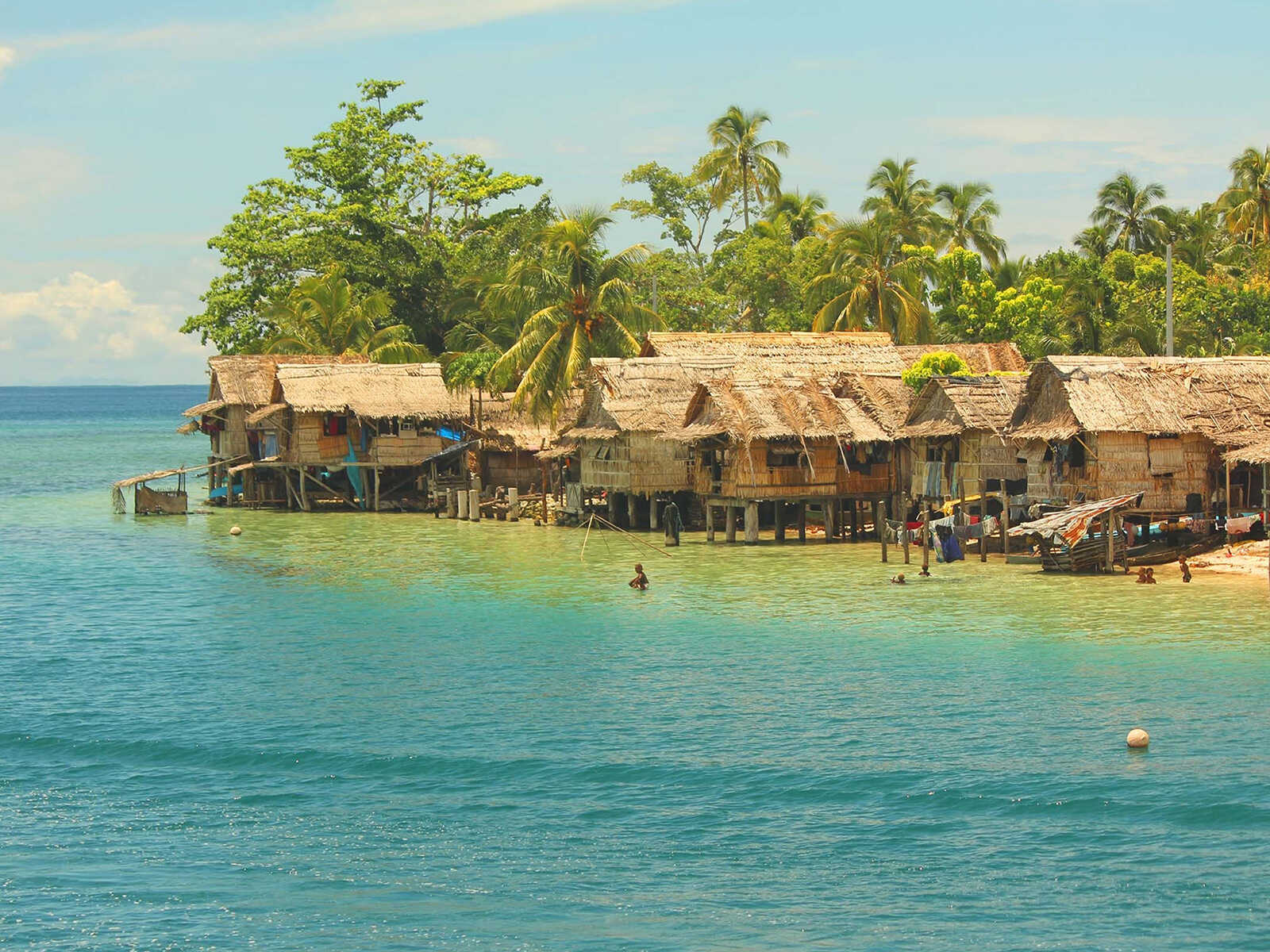
Wildlife and Conservation on Tetepare Island: A Nature Lover's Guide
Deep within the Solomon Islands lies Tetepare Island, a place where nature reigns supreme and conservation is a way of life. This untouched paradise offers a unique blend of vibrant biodiversity and a pioneering community-led conservation model, making it an essential destination for any eco-conscious traveler.
Tetepare is often hailed as the largest uninhabited island in the South Pacific, a testament to the foresight of its traditional landowners. Unlike many islands in the region that have faced extensive logging,Tetepare remains blanketed in ancient, pristine rainforest, a living monument to a powerful decision made decades ago. This article will guide you through the island's incredible wildlife, its unique conservation story, and how you can experience this natural wonder responsibly.
The Heart of Conservation: The Tetepare Descendants' Association
The story of Tetepare is inextricably linked to the Tetepare Descendants' Association (TDA). Formed in 2002, the TDA represents the descendants of the island's last inhabitants, who chose to abandon the island in the mid-19th century due to tribal warfare. Crucially, in the 1990s, when logging companies began approaching the Solomon Islands, the elders of the TDA made a momentous decision: to reject logging and instead protect their ancestral lands and waters for future generations.
The TDA's philosophy, "Kastom Not Logim" (Custom Not Logging), embodies their commitment to traditional values and sustainable practices. This decision has preserved Tetepare as a vital biodiversity hotspot.
This community-led approach means that all conservation efforts and ecotourism initiatives directly benefit the local communities, providing sustainable livelihoods without compromising the island's natural integrity. Funds generated through tourism and grants support ranger patrols, research, and community development projects on the nearby mainland.
A Sanctuary for Wildlife: What You Can See
Tetepare's pristine environment, both on land and in its surrounding waters, supports an incredible array of species, many of which are rare or endemic to the Solomon Islands.
Terrestrial Wonders
The island's dense rainforest is a haven for unique terrestrial life:
- Birds:Birdwatchers will be in paradise, with over 76 species recorded. Keep an eye out for the endemic Tetepare White-eye, the Solomons Sea Eagle, and various species of parrots, hornbills, and pigeons. The forest symphony is a constant backdrop to any jungle walk.
- Reptiles and Amphibians:Giant monitor lizards can be spotted basking in the sun or foraging. Various species of skinks and geckos inhabit the undergrowth.
- Insects and Crustaceans:Look out for the colossal coconut crabs, particularly active at night. Their impressive size and strength are a marvel of nature.
- Mammals:While large mammals are absent, several species of fruit bats and insectivorous bats play a crucial role in the island's ecosystem.
Vibrant Marine Ecosystems
The waters surrounding Tetepare are equally rich, boasting healthy coral reefs and abundant marine life. It's a prime example of what marine environments can be like without overfishing or pollution.
- Sea Turtles:Tetepare is a critical nesting site for three globally endangered species of sea turtles: the green turtle, hawksbill turtle, and leatherback turtle. TDA rangers actively monitor nesting sites and protect eggs from poachers. Visitors may have the opportunity to witness turtle nesting or hatchlings emerging.
- Dugongs:These gentle "sea cows" are a rare sight globally, but Tetepare's seagrass meadows provide vital foraging grounds. Spotting a dugong here is a truly special experience, highlighting the health of the marine environment.
- Dolphins and Whales:Pods of dolphins are frequently seen playing in the waters, and various whale species pass through during migration seasons.
- Coral Reefs:The reefs around Tetepare are thriving, teeming with colorful hard and soft corals. Snorkelers and divers will discover an incredible diversity of reef fish, sharks (reef sharks are common), rays, and other invertebrates. The vibrant underwater world here rivals even the renowned Marovo Lagoon or Uepi.
Experiencing Tetepare: A Responsible Visitor's Guide
Visiting Tetepare offers a profound connection with nature and a unique insight into sustainable conservation. The island operates a single ecotourism lodge, Tetepare Ecolodge, which is deliberately rustic and low-impact.
Getting There
Access to Tetepare is part of the adventure. The island is remote, typically reached by boat from Munda or Seghe in the Western Province. The journey itself offers scenic views of the Solomon Sea and neighboring islands. It's essential to arrange your transport through the TDA or the Ecolodge, as they coordinate safe and sustainable travel.
Accommodation
The Tetepare Ecolodge provides simple, comfortable bungalows built from local, sustainable materials. Expect basic amenities, solar lighting, and rainwater harvesting. This isn't a luxury resort; it's an authentic eco-experience designed to minimize environmental impact and maximize your connection with nature. Meals feature fresh, locally sourced ingredients, often caught or grown by the community.
Activities and Immersion
Your stay on Tetepare will be filled with opportunities to explore its natural wonders:
- Guided Jungle Walks:Explore the ancient rainforest with local guides who share their extensive knowledge of the flora, fauna, and traditional uses of plants. You might spot rare birds or fascinating insects.
- Snorkeling and Diving:Discover the vibrant coral reefs just offshore. The clarity of the water and the abundance of marine life make for unforgettable underwater experiences.
- Turtle Monitoring:Depending on the season, you might join rangers on night patrols to monitor nesting turtles or witness hatchlings making their perilous journey to the sea.
- Dugong Spotting:Take a boat trip with local guides to look for dugongs in the seagrass beds.
- Cultural Exchange:Learn about the TDA's conservation model, traditional fishing techniques, and the history of Tetepare from the descendants themselves.
- Kayaking and Paddleboarding:Explore the calm coastal waters at your own pace.
Responsible Tourism Tips
To ensure your visit contributes positively to Tetepare's conservation efforts:
- Respect Wildlife:Observe animals from a distance, do not touch them, and never disturb nesting sites.
- Leave No Trace:Pack out everything you pack in. Avoid single-use plastics.
- Support Local:Your stay at the Ecolodge and participation in guided activities directly supports the TDA and its conservation work.
- Follow Guidelines:Adhere to all instructions from your guides and the Ecolodge staff, who are experts in protecting this unique environment.
- Be Prepared:Bring appropriate gear for jungle walks, snorkeling, and sun protection. Remember, this is a remote location.
A Legacy of Conservation
Tetepare Island stands as a powerful example of successful community-led conservation. It demonstrates that economic development doesn't have to come at the expense of invaluable natural heritage. For nature lovers, it offers an unparalleled opportunity to immerse yourself in an untouched ecosystem and witness firsthand the profound impact of a community dedicated to protecting its ancestral lands. Your visit helps ensure that Tetepare remains a sanctuary for wildlife and a beacon of hope for conservation in the Solomon Islands and beyond.