
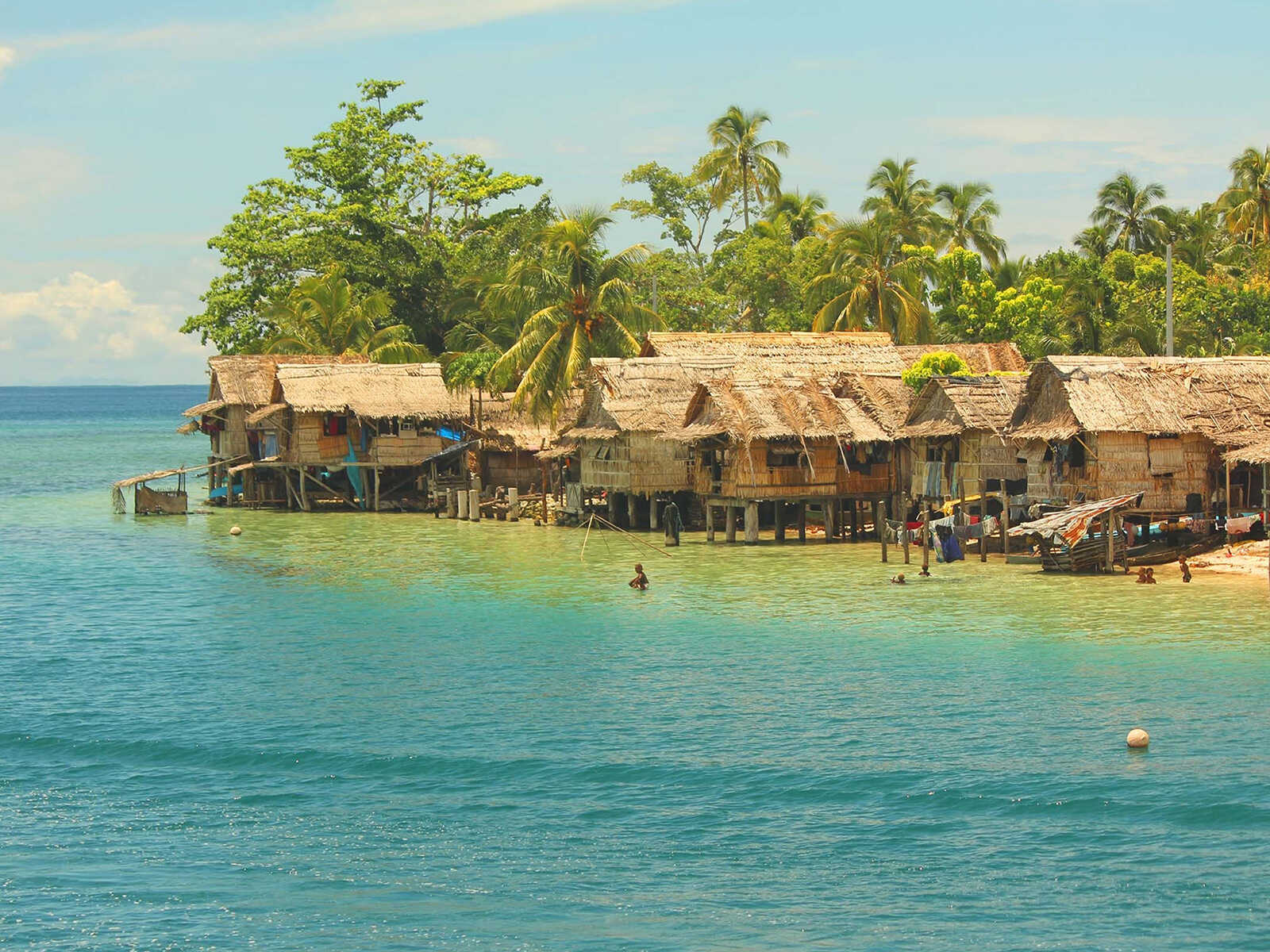
Understanding Solomon Islands Culture and Customs: A Traveler's Guide
The Solomon Islands, a mesmerizing archipelago in the South Pacific, offers travelers a profound journey into a vibrant Melanesian culture. To truly appreciate its beauty and depth, understanding and respecting local customs is paramount for a meaningful and harmonious experience.
Comprising nearly a thousand islands and countless distinct communities, the Solomon Islands boasts an incredibly rich and diverse cultural tapestry. While general principles apply, local practices can vary significantly from island to island, making thoughtful engagement key to a memorable visit.
The Melanesian Way: Kastom
At the heart of Solomon Islands society liesKastom, a Pijin term encompassing traditional customs, beliefs, and practices that govern daily life, land ownership, social structure, and dispute resolution. Kastom is not static but evolves while maintaining deep roots in ancestral ways.
Understanding Kastom means recognizing the profound connection people have to their land, sea, and ancestral spirits. It influences everything from how communities interact to the artwork they create. Visitors are encouraged to approach their journey with an open mind and a willingness to learn about these deeply held traditions.
Social Etiquette and Interactions
Navigating social interactions respectfully will greatly enhance your experience in the Solomon Islands:
- Greetings:A friendly "Halo" or "Gud de" (Good day) is always appreciated. Handshakes are common, especially when meeting someone for the first time or elders. A warm smile goes a long way.
- Dress Code:Modesty is key, particularly outside of resort areas. For women, covering shoulders and knees is advisable, especially when visiting villages or markets. Men should wear shirts in public. When swimming at local beaches, be mindful of conservative attitudes towards swimwear.
- Photography:Always ask permissionbefore taking photos of people, especially children, or sacred sites. A polite request like "Mi save tekem piksa?" (May I take a picture?) shows respect. Be prepared to accept a refusal gracefully.
- Visiting Villages and Homes:If you have the opportunity to visit a local village, it is customary to seek permission from the chief or village elder upon arrival. A small, appropriate gift (such as tobacco, sugar, tea, or a contribution to a community fund) is a thoughtful gesture of appreciation. Always remove your shoes before entering someone's home.
- Gift Giving:While not always expected, small, practical gifts are appreciated as a sign of goodwill and gratitude for hospitality. Avoid overly extravagant gifts. If giving gifts to children, try to distribute them discreetly to prevent competition.
- Personal Space & Body Language:Public displays of affection are uncommon and best avoided. While direct eye contact is generally acceptable, prolonged staring can be seen as impolite. Pointing with an open hand or a nod of the head is preferred over pointing with a finger.
Traditional Practices and Beliefs
The Solomon Islands is a place where ancient traditions are still very much alive:
- Land & Sea Ownership:Most land and sea areas are communally or ancestrally owned. This means that access to many beautiful places, including beaches, forests, and fishing grounds, requires permission from the local landowners. This is particularly relevant when exploring pristine areas like the Marovo Lagoon or the untouched wilderness of Tetepare.
- Taboos (Tambu):Certain places, objects, or actions may be consideredtambu(forbidden or sacred). These vary significantly by region and can relate to ancestral sites, burial grounds, or specific community rules. Always heed any warnings or signs indicating a tambu area. Your local guide can provide invaluable insight here.
- Local Governance:Chiefs and elders hold significant authority and respect within their communities. Their wisdom and guidance are crucial for maintaining social harmony and decision-making.
- Traditional Arts & Crafts:The Solomon Islands are renowned for their intricate carvings, particularly from the Western Province, as well as shell money, weaving, and basketry. Purchasing these items directly from local artisans supports their livelihoods and preserves traditional skills.
Food and Drink
Solomon Islands cuisine is based on fresh, locally sourced ingredients:
- Staples:Expect a diet rich in root crops such as taro, kumara (sweet potato), cassava, and yam, complemented by fresh fish, chicken, rice, and an abundance of coconut products and tropical fruits.
- Dining Etiquette:Meals are often communal. It's polite to wait for elders to be served first. While utensils may be available, it's not uncommon to eat with hands, especially in more rural settings. Accepting food offered to you is a sign of respect.
- Kava:In some communities, particularly in certain provinces, kava (a traditional non-alcoholic drink made from the root of the kava plant) may be offered. It has mild sedative properties and is often consumed during social gatherings or ceremonies.
Respecting the Environment
The Solomon Islands boasts incredible biodiversity, both on land and in its pristine waters. Sustainable tourism practices are vital for preserving this natural heritage:
- Leave No Trace:Pack out everything you pack in. Dispose of waste responsibly and avoid littering.
- Marine Conservation:When diving or snorkeling at sites like Bonegi Beach or exploring the reefs around Uepi, admire marine life without touching or disturbing it. Support initiatives that protect coral reefs and marine ecosystems.
- Support Local Conservation:Communities like those on Tetepare Island are leaders in conservation, demonstrating how traditional knowledge can protect unique ecosystems.
The Solomon Islands' natural beauty is deeply intertwined with its cultural identity. Protecting it is a shared responsibility, ensuring these treasures endure for future generations.
Language Basics: Pijin
While over 80 indigenous languages are spoken, Pijin (an English-based creole) is the lingua franca and widely understood across the islands. Learning a few basic phrases will be greatly appreciated:
- Halo / Gud de:Hello / Good day
- Tank yu:Thank you
- Yu olsem wanem?:How are you?
- Mi orait:I'm fine
- Yesa:Yes
- No:No
- Sori:Sorry / Excuse me
Practical Tips for Travelers
- Patience and Flexibility:Things often operate on "island time." Be prepared for delays or changes in plans due to weather, transport, or local events.
- Local Guides:Hiring a local guide, especially for treks to natural wonders like Tenaru Waterfalls or for village visits, offers invaluable cultural insights and ensures respectful interaction with local communities. They can also help navigate any potential tambu areas.
- Health Precautions:Consult your doctor about malaria prevention and other recommended vaccinations before traveling. Always drink bottled or purified water.
- Respect for History:The Solomon Islands played a significant role in World War II. When visiting historical sites, such as the wreck of the MS World Discoverer, approach them with respect for their historical significance and the lives lost.
Conclusion
Traveling through the Solomon Islands is more than just seeing beautiful landscapes; it's an immersive journey into a vibrant culture rooted in tradition, community, and respect for the natural world. By understanding and honoring local customs, you not only ensure a harmonious visit but also gain a deeper, more enriching appreciation for this extraordinary destination and its welcoming people. Embrace the Melanesian Way, and you'll carry the spirit of the Solomons with you long after you leave.