
The Rich History of the Solomon Islands: WWII, Colonial Past, and Beyond
The Solomon Islands, a scattered archipelago in the South Pacific, holds a history as vibrant and complex as its coral reefs. From ancient migrations and early colonial encounters to its pivotal role in World War II and the journey to nationhood, understanding the past enriches any visit to these remarkable islands.
Ancient Roots and Early Explorers
The Solomon Islands have been inhabited for thousands of years, primarily by Melanesian peoples who navigated vast stretches of ocean to settle these fertile lands. Their rich oral traditions, intricate social structures, and unique artistic expressions laid the foundation for the diverse cultures found across the islands today.
European contact began in 1568 when the Spanish explorer Álvaro de Mendaña y Neira arrived. Believing he had found the legendary King Solomon's mines, he named the islandsIslas Salomón. Despite his initial hopes, no gold was found, and subsequent Spanish attempts to colonize the islands were largely unsuccessful, leaving them undisturbed by European powers for over two centuries.
Did You Know?The earliest known human settlement in the Solomon Islands dates back over 30,000 years, making it one of the oldest inhabited regions in Oceania.
The Colonial Era: From Germany to Britain
The late 19th century brought renewed European interest, driven by the desire for resources, strategic positioning, and the spread of Christianity. This period saw the Solomon Islands become entangled in the colonial scramble for the Pacific:
- German Protectorate:In 1886, Germany declared a protectorate over the northern Solomon Islands, including Bougainville (which later became part of Papua New Guinea).
- British Protectorate:In 1893, Great Britain established a protectorate over the southern islands, encompassing Guadalcanal, Malaita, San Cristobal, and the New Georgia group.
Through a series of agreements, the northern islands (excluding Bougainville) were eventually transferred to British control by 1900, consolidating the entire archipelago (except for Bougainville) under the British Solomon Islands Protectorate. This era saw the introduction of a cash economy, Christian missions, and a centralized administration, profoundly altering traditional ways of life.
The Turning Point: World War II in the Solomons
The strategic location of the Solomon Islands, particularly Guadalcanal, made it a critical battleground during World War II. Japan’s expansion into the Pacific brought the war to the islands, and their construction of an airfield on Guadalcanal (later Henderson Field) posed a direct threat to Allied supply lines to Australia and New Zealand.
The ensuing Guadalcanal Campaign, from August 1942 to February 1943, was one of the most brutal and pivotal campaigns in the Pacific theater. Allied forces, predominantly American Marines and soldiers, fought fiercely to dislodge the Japanese. The jungles, mountains, and surrounding seas became a deadly arena for both land and naval engagements. The waters around Guadalcanal became known as "Ironbottom Sound" due to the sheer number of ships and aircraft that sank there, creating a unique underwater museum of war history.
Today, the legacy of WWII is evident across the islands. Visitors can explore numerous battle sites, memorials, and an incredible array of sunken ships, aircraft, and relics.Bonegi Beach, near Honiara, is a popular spot for divers and snorkelers to explore easily accessible Japanese wrecks, offering a poignant connection to this tumultuous period.
Path to Independence and Nationhood
Following World War II, Britain began to prepare the Solomon Islands for self-governance. The process was gradual, involving the establishment of local councils and a legislative assembly. On 7 July 1978, the Solomon Islands achieved full independence, becoming a sovereign nation within the Commonwealth. Sir Peter Kenilorea became its first Prime Minister.
The early years of independence were marked by the challenge of uniting a diverse population spread across hundreds of islands, each with its own distinct cultures and languages. The new nation adopted a parliamentary democracy, striving to balance traditional customs with modern governance.
Modern Challenges and Resilience
The post-independence period has seen the Solomon Islands navigate various challenges. From the late 1990s to the early 2000s, ethnic tensions, often referred to as "The Tensions," led to civil unrest, particularly on Guadalcanal and Malaita. This period saw a breakdown of law and order and significant economic disruption.
In response, the Regional Assistance Mission to Solomon Islands (RAMSI), a multi-national intervention led by Australia, arrived in 2003 to restore peace and stability, rebuild institutions, and foster economic recovery. RAMSI successfully concluded its mission in 2017, leaving behind a more stable and resilient nation.
Today, the Solomon Islands continues its journey of development, facing challenges such as climate change, which threatens its low-lying islands, and the need for sustainable economic growth. The country is rich in natural resources, from fisheries to timber, and is increasingly focusing on eco-tourism and conservation efforts. Initiatives like the community-managed conservation area on Tetepare Island showcase a commitment to preserving both unique biodiversity and traditional land ownership.
The stunning Marovo Lagoon, a UNESCO World Heritage Tentative List site, exemplifies the balance between natural beauty and cultural heritage, offering insights into traditional village life and sustainable resource management. Similarly, destinations like Uepi provide world-class diving within pristine environments, while the majestic Tenaru Waterfalls offer a glimpse into the islands' untouched natural splendor.
Experiencing History Today
For visitors, the rich history of the Solomon Islands is not just found in books but is a living, tangible presence.
Exploring WWII Sites
Guadalcanal remains the primary destination for WWII history enthusiasts. Guided tours can take you to memorials, battlefields like Bloody Ridge, and museums displaying artifacts. Diving or snorkeling among the wrecks of Ironbottom Sound offers a unique and somber experience. Even a more modern wreck, the passenger ship MS World Discoverer, which sank in 2000, adds to the islands' reputation as a diver's paradise for wreck exploration.
Engaging with Indigenous Culture
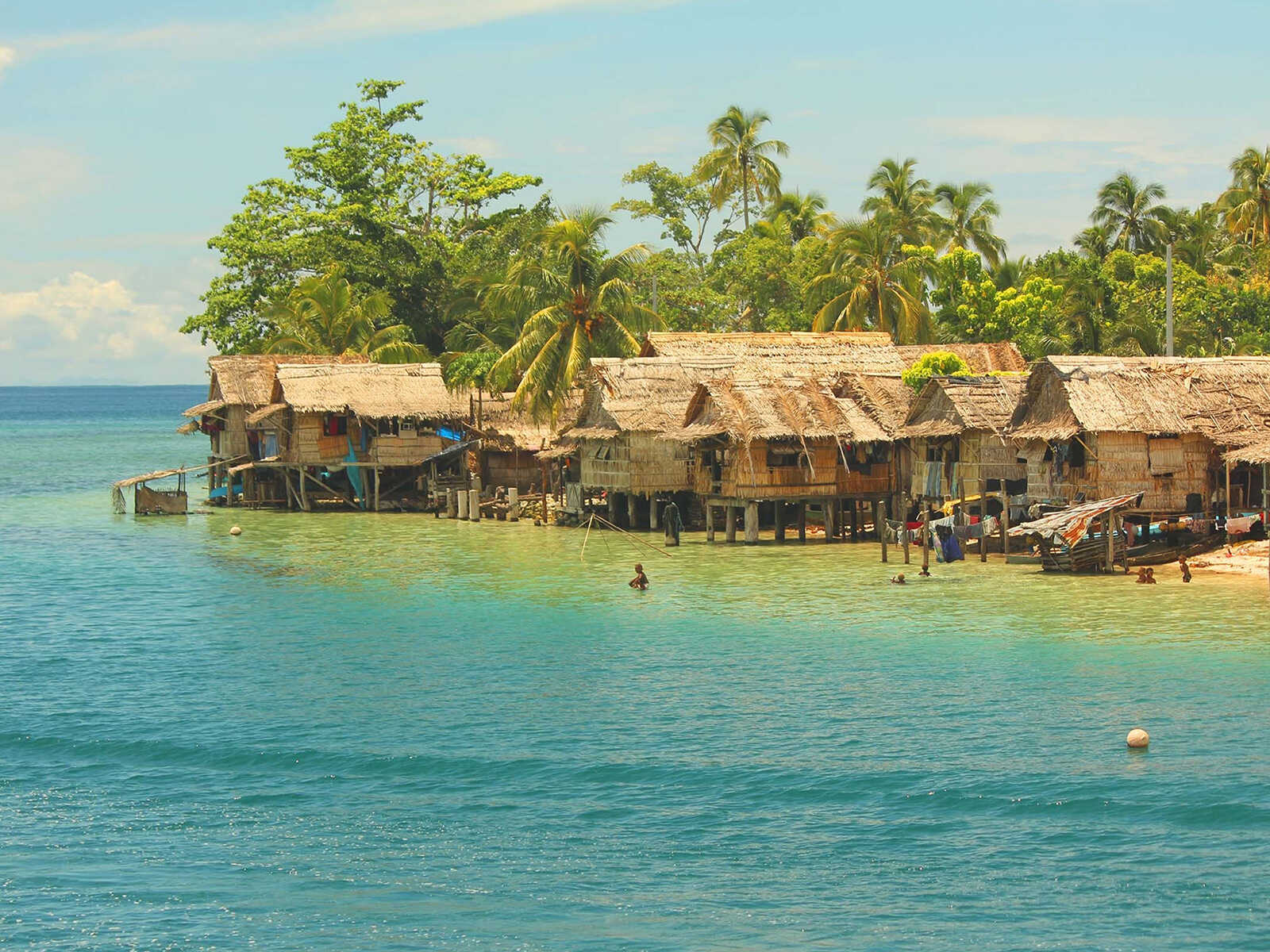
Beyond the war, the islands' ancient past thrives in its diverse cultures. Visiting local villages provides an opportunity to witness traditional customs, music, dance, and handicrafts. Learning about the complex social structures and sustainable practices of indigenous communities offers a profound appreciation for the islands' enduring heritage.
Conclusion
The Solomon Islands offers a compelling narrative of human resilience, cultural depth, and historical significance. From the ancient seafaring peoples who first settled these islands to the fierce battles of WWII and the ongoing journey of nation-building, its past profoundly shapes its present. A visit here is not just a tropical escape but an immersive journey through a history that continues to resonate today.