
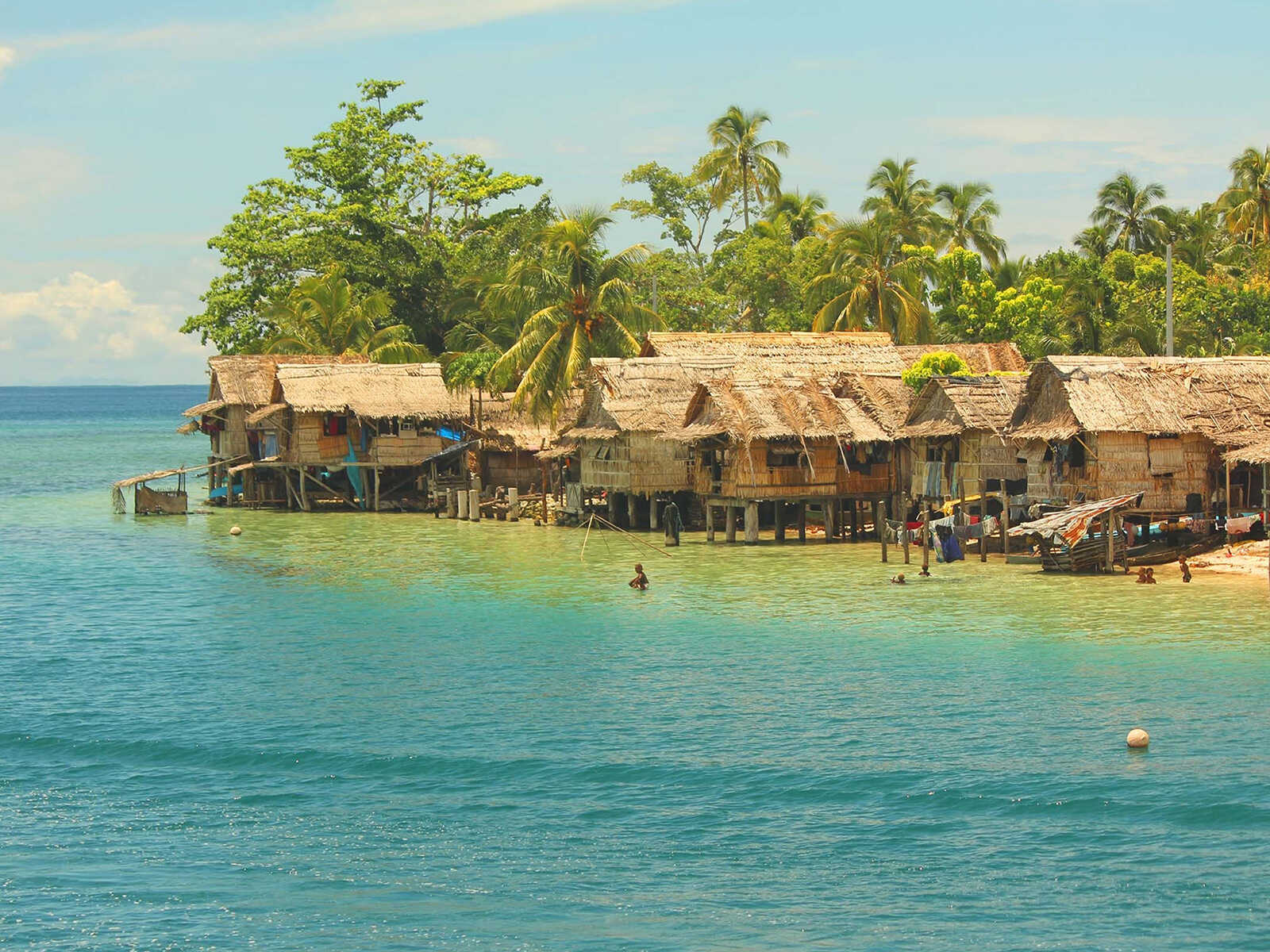
Solomon Islands Snorkeling Guide: Best Reefs and Underwater Worlds
The Solomon Islands, a hidden gem in the South Pacific, offer an unparalleled snorkeling experience, boasting some of the world's most pristine and biodiverse coral reefs. Dive into a vibrant underwater realm where kaleidoscopic marine life thrives amidst historical World War II relics, promising an unforgettable adventure for every snorkeler.
Far removed from the well-trodden tourist paths, the Solomon Islands present a unique opportunity to explore largely untouched marine ecosystems. Its waters are a kaleidoscope of color, home to thousands of fish species, thriving coral gardens, and fascinating remnants of history. This guide will help you navigate the best snorkeling spots, understand what to expect, and plan your perfect underwater journey.
Why Snorkel in the Solomon Islands?
Beyond the sheer beauty, several factors make the Solomon Islands a premier snorkeling destination:
- Unspoiled Reefs:Many areas feature vibrant, healthy coral formations that are less impacted by human activity compared to more popular destinations.
- Exceptional Biodiversity:The islands are part of the Coral Triangle, a global center of marine biodiversity, meaning you'll encounter an incredible variety of fish, invertebrates, and corals.
- Unique WWII Wrecks:The waters are a historical treasure trove, with numerous sunken ships and planes from World War II accessible even to snorkelers in shallower depths.
- Warm, Clear Waters:Enjoy comfortable snorkeling year-round with excellent visibility, often exceeding 20-30 meters.
Top Snorkeling Regions and Reefs
Western Province: A Snorkeler's Paradise
The Western Province is often considered the heart of the Solomon Islands' marine tourism, offering a diverse range of snorkeling experiences.
Marovo Lagoon
Often hailed as the largest saltwater lagoon in the world,Marovo Lagoon is a UNESCO World Heritage Tentative Site and a must-visit for any snorkeler. Its vast expanse is dotted with hundreds of islands, housing an incredible array of hard and soft corals. The lagoon's calm, protected waters are perfect for exploring shallow reefs teeming with reef sharks, rays, turtles, and countless tropical fish.
Snorkeling Tip:Many local communities around Marovo Lagoon offer guided snorkeling tours, providing insights into both the marine environment and their traditional way of life. Look for opportunities to support community-based tourism.
Uepi Island
Located at the edge of the Marovo Lagoon,Uepi is renowned for its wall dives and drift snorkeling opportunities. The "Uepi Passage" offers exhilarating drifts past dramatic coral walls, where you might spot larger pelagic species alongside a vibrant display of reef fish. The shallow areas around the resort also offer fantastic snorkeling right off the jetty, making it accessible for all skill levels.
Tetepare Island
For those seeking a truly remote and pristine experience,Tetepare Island, the largest uninhabited island in the South Pacific, is a conservation success story. Managed by local communities, its surrounding reefs are incredibly healthy, offering glimpses of dugongs, crocodiles, and an abundance of reef fish in an untouched environment. Snorkeling here is an immersive experience in nature's purest form.
Guadalcanal: Wrecks and Reefs
While known for its historical significance, the waters around Guadalcanal also offer compelling snorkeling, particularly for those interested in WWII history.
Bonegi Beach
Just a short drive from Honiara,Bonegi Beach is famous for its accessible WWII wreck snorkeling. Two Japanese transport ships, the Hirokawa Maru and Kinugawa Maru, lie close to shore, their bow sections often visible from the surface. Snorkelers can explore the coral-encrusted wrecks, which are now artificial reefs attracting a vibrant array of marine life, including schools of barracuda and various reef fish.
MS World Discoverer
Though not a traditional snorkeling spot due to its depth and location, the wreck of the MS World Discoverer near Roderick Bay offers a unique sight from the surface on clear days. This abandoned cruise ship, partially submerged, stands as a haunting reminder of a past maritime accident. While snorkeling around it is not typically recommended, boat tours can offer a fascinating view from above.
What You'll See Beneath the Surface
The Solomon Islands' underwater world is incredibly rich and varied:
- Coral Gardens:Expect to encounter a stunning diversity of hard and soft corals, including massive brain corals, delicate staghorn, colorful fan corals, and vibrant anemones.
- Fish Life:The reefs teem with thousands of species, from tiny clownfish and damselfish to parrotfish, angelfish, butterflyfish, and schools of fusiliers and trevally.
- Larger Marine Animals:Keep an eye out for green and hawksbill turtles, various species of reef sharks (often docile), manta rays, eagle rays, and even dolphins in open water.
- WWII Relics:Beyond the famous wrecks, you might spot smaller artifacts like plane parts, ammunition, and other historical remnants scattered on the seafloor.
Planning Your Snorkeling Adventure
Best Time to Visit
The Solomon Islands generally experience two seasons: a drier season from May to October and a wetter season from November to April. The drier months typically offer calmer seas and better visibility, making it the ideal time for snorkeling. However, snorkeling is possible year-round, with sheltered lagoons providing good conditions even during the wetter period.
Getting There and Around
International flights arrive at Honiara International Airport (HIR) on Guadalcanal. From Honiara, domestic flights via Solomon Airlines connect to provincial airstrips, or you can arrange boat transfers to more remote islands and resorts. Traveling between islands often involves local ferries or private boat charters, which can be arranged through your accommodation.
Essential Snorkeling Gear
While many resorts offer gear rental, bringing your own ensures comfort and fit. Pack:
- Mask and Snorkel:A well-fitting set is crucial for an enjoyable experience.
- Fins:Essential for efficient movement and conserving energy.
- Rash Guard or Light Wetsuit:Provides sun protection and can offer a little warmth.
- Reef-Safe Sunscreen:Protect the delicate coral ecosystems by using zinc or titanium dioxide-based sunscreens.
- Underwater Camera:To capture the stunning beauty you'll encounter.
Responsible Snorkeling Practices
To preserve the Solomon Islands' incredible marine environment for future generations, please adhere to these guidelines:
- Look, Don't Touch:Avoid touching corals, fish, or any marine life. Even a gentle touch can damage delicate organisms.
- Maintain Buoyancy:Be mindful of your fins and body to avoid kicking or scraping the reef.
- Use Reef-Safe Sunscreen:Chemical sunscreens can harm corals. Opt for mineral-based alternatives.
- Take Only Photos:Do not remove any shells, coral fragments, or other marine souvenirs from the ocean.
- Support Local Conservation:Choose operators and accommodations that demonstrate a commitment to environmental protection and community benefit.
Conclusion
Snorkeling in the Solomon Islands is more than just an activity; it's an immersive journey into a vibrant, living paradise and a poignant encounter with history. From the sprawling, healthy reefs of Marovo Lagoon to the accessible wartime wrecks of Bonegi Beach, the underwater worlds here promise awe and wonder. Prepare to be captivated by the sheer beauty and biodiversity of this truly special South Pacific destination.