
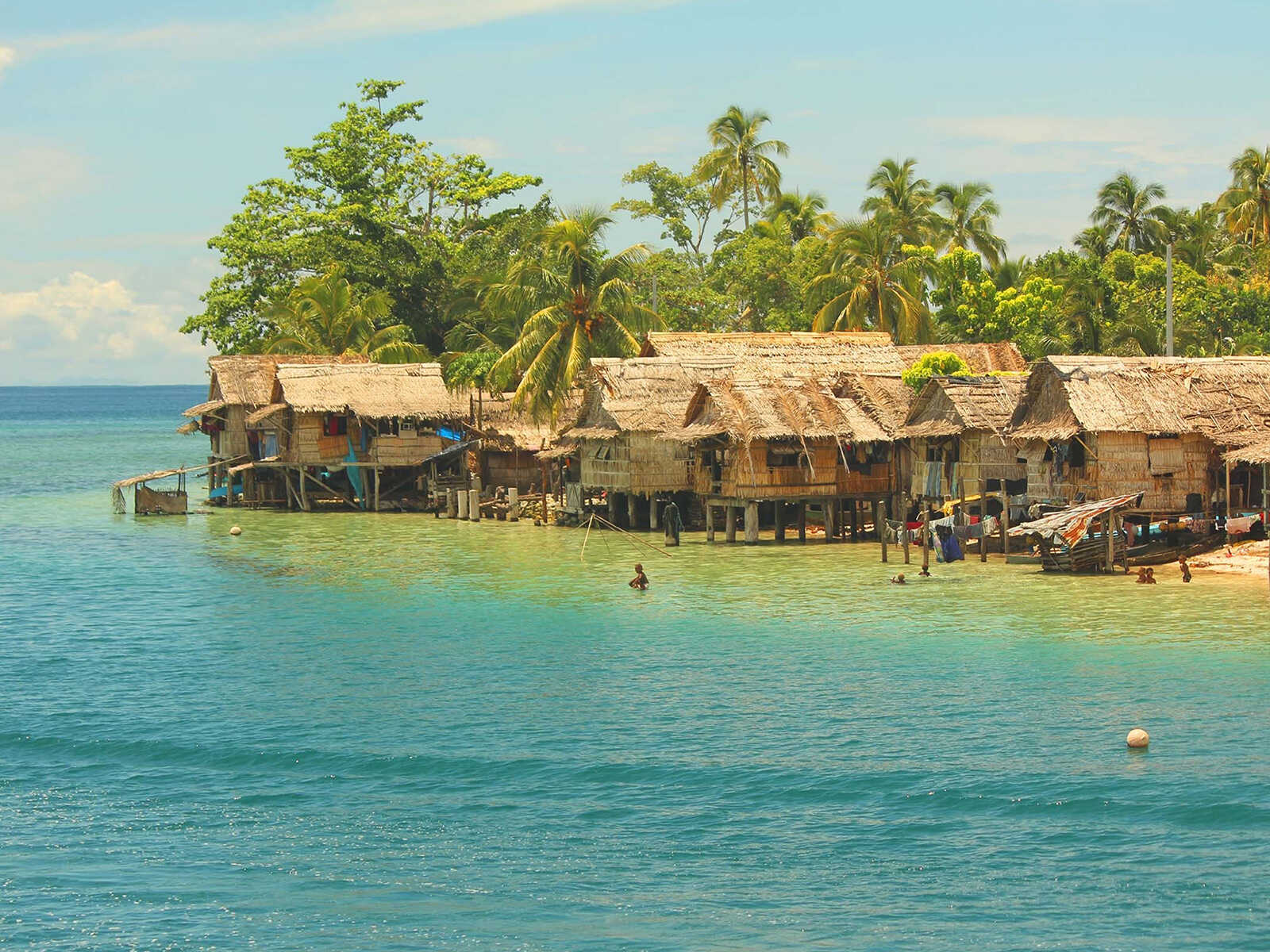
Solomon Islands Photography Spots: Capture the Beauty of the South Pacific
The Solomon Islands, an archipelago of untold natural beauty, offer a photographer's dream canvas. From vibrant coral reefs teeming with marine life to lush volcanic landscapes and poignant World War II relics, every frame tells a story. Prepare your lenses for an unforgettable journey into the heart of the South Pacific.
Why the Solomon Islands are a Photographer's Paradise
Beyond its stunning visual appeal, the Solomon Islands present a unique blend of experiences for photographers. You'll find a raw, untouched beauty here that is increasingly rare in the modern world. The islands boast a rich cultural tapestry, dramatic landscapes, and some of the world's most accessible and historically significant underwater sites.
- Untouched Nature:Pristine beaches, dense rainforests, and active volcanoes.
- Vibrant Marine Life:World-class diving and snorkeling opportunities.
- Historical Significance:Numerous World War II sites, both above and below water.
- Authentic Culture:Opportunities to respectfully capture traditional village life.
Top Photography Spots Across the Archipelago
Guadalcanal: History and Nature's Embrace
The main island of Guadalcanal offers a compelling mix of historical sites and natural wonders, easily accessible from the capital, Honiara.
- Bonegi Beach:Famous for its accessible WWII wrecks just offshore,Bonegi Beach is perfect for both underwater photography and capturing dramatic sunsets over the Pacific. The rusted remains of Japanese transport ships provide a stark, evocative subject.
- Tenaru Waterfalls:A refreshing trek inland leads to the cascading beauty of Tenaru Waterfalls. Here, you can capture the lush tropical rainforest, the powerful descent of water, and the serene pools below. It's a fantastic spot for long exposure photography.
- WWII Battlefields and Memorials:Sites like Bloody Ridge and the Vilu War Museum offer poignant photographic opportunities, documenting the enduring legacy of the war. Respectful photography of these solemn places tells a powerful story.
Western Province: Lagoons, Diving, and Pristine Islands
The Western Province is renowned for its breathtaking lagoons, vibrant coral reefs, and remote island experiences, making it a hotspot for nature and underwater photographers.
- Marovo Lagoon:As one of the world's largest saltwater lagoons,Marovo Lagoon is a UNESCO World Heritage Tentative Site and a visual masterpiece. Aerial shots here reveal intricate patterns of coral bommies and turquoise waters. Underwater, the biodiversity is astounding, while village life on its shores offers unique cultural insights.
- Gizo and Surrounding Islands:The bustling market town of Gizo is a hub for exploring the nearby islands. Capture the vibrant local market scene, traditional dugout canoes, and the stunning views from Kennedy Island. The reefs around Gizo are also excellent for macro and wide-angle underwater photography.
- Uepi Island:Located at the edge of the deep Marovo Lagoon channel,Uepi offers world-class diving and snorkeling. The sheer drop-offs and abundant marine life, including pelagics, sharks, and rays, provide endless opportunities for captivating underwater photography.
Remote & Unique Destinations: Unspoiled Wilderness
For those seeking truly off-the-beaten-path experiences, the Solomon Islands deliver unparalleled wilderness and unique historical relics.
- Tetepare Island:Known as "the last wild island,"Tetepare is a conservation success story and a haven for wildlife photographers. Capture rare birds, coconut crabs, and the pristine rainforest. It's an ideal location for documenting untouched biodiversity and sustainable tourism.
- The MS World Discoverer:Off the coast of Roderick Bay, the partially submerged wreck of the MS World Discoverer cruise ship provides an eerie and fascinating photographic subject. Its rusted hull, slowly being reclaimed by nature, makes for powerful images, especially at sunrise or sunset.
Photography Tip:Always be mindful of the weather. Tropical showers can appear quickly, so protect your gear with waterproof bags and covers. The midday sun can be harsh, so aim for early mornings and late afternoons for the best light.
Practical Photography Tips for the Solomon Islands
To make the most of your photographic adventure, consider these practical tips:
- Gear Protection:The tropical environment means humidity, salt spray, and occasional rain. Invest in waterproof bags, dry boxes, and lens wipes. A reliable rain cover for your camera is essential.
- Underwater Photography:If you plan to dive or snorkel, a good underwater housing for your camera or a high-quality waterproof action camera is a must. Consider bringing strobes or video lights to enhance colors at depth.
- Drone Photography:The aerial views of the lagoons and islands are spectacular. If using a drone, be aware of local regulations and always fly respectfully, especially near villages or sensitive areas. Always seek permission when needed.
- Respectful Photography:When photographing people or traditional villages, always ask for permission first. A friendly gesture and a smile go a long way. Be sensitive to cultural practices and avoid intrusive photography.
- Power and Charging:Power supply can be intermittent outside of Honiara. Bring multiple spare batteries and consider a portable power bank or solar charger.
- Lenses:A versatile zoom lens (e.g., 24-70mm equivalent) is great for landscapes and portraits. A wide-angle lens is perfect for capturing expansive lagoons and underwater scenes. For wildlife, a telephoto lens will be invaluable.
Conclusion
The Solomon Islands offer a tapestry of photographic opportunities unlike anywhere else. From the vibrant underwater worlds and historical wrecks to the serene lagoons and authentic village life, every corner holds a unique story waiting to be captured. Pack your gear, embrace the adventure, and prepare to bring home a collection of images that truly reflect the unspoiled beauty of the South Pacific.