
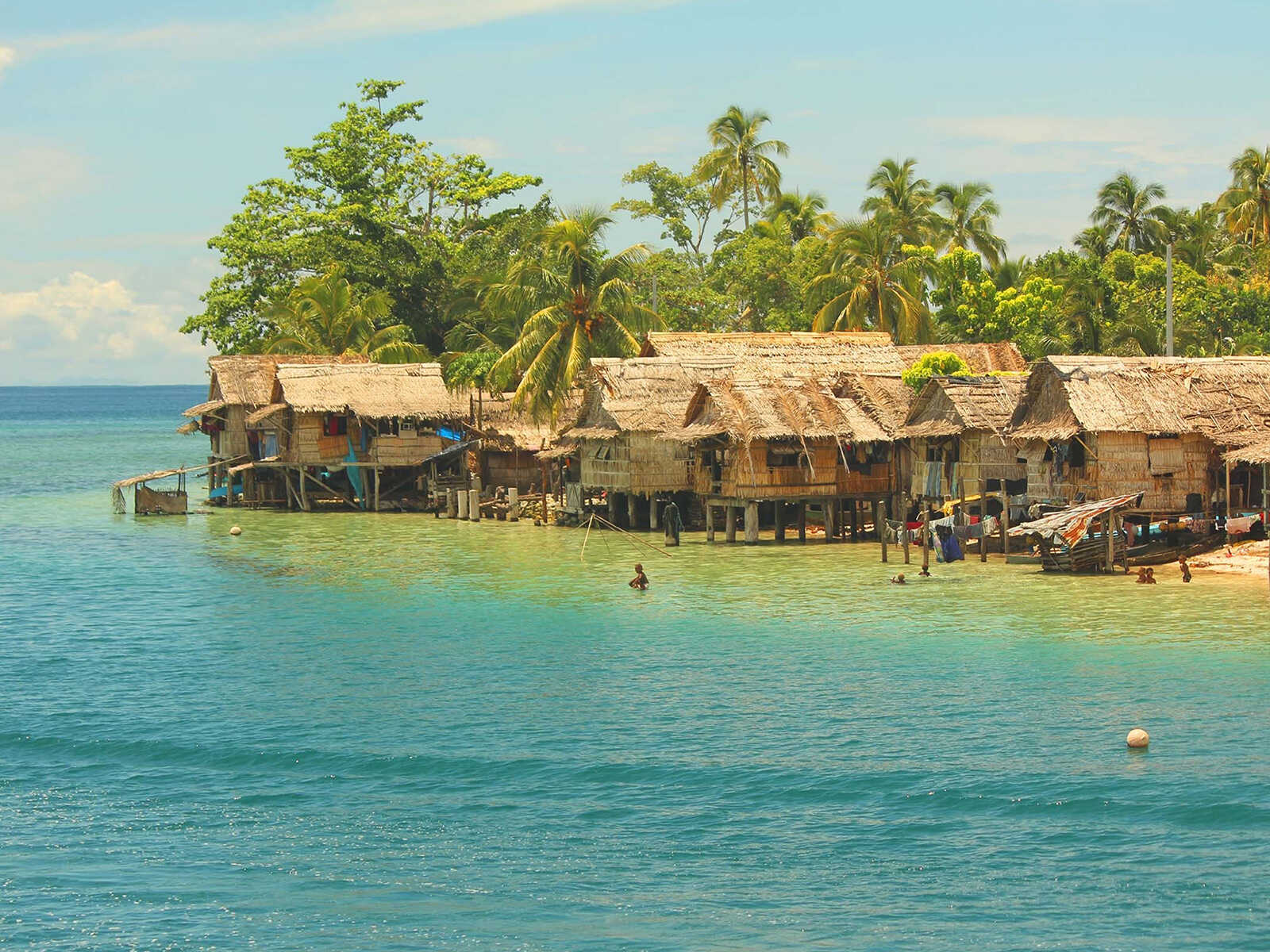
Responsible Tourism in the Solomon Islands: Sustainable Travel Tips
The Solomon Islands offer a breathtaking escape into a world of pristine natural beauty, rich cultural heritage, and incredible biodiversity. As more travelers discover this untouched paradise, embracing responsible tourism practices becomes paramount to preserving its unique charm for generations to come.
Your journey to the Solomon Islands can be more than just a vacation; it can be an opportunity to contribute positively to the environment and local communities. By making conscious choices, you help ensure that the Solomon Islands remain a vibrant, healthy, and culturally rich destination.
Why Responsible Tourism Matters in the Solomon Islands
Comprising nearly 1,000 islands and atolls, the Solomon Islands are a mosaic of diverse ecosystems, from vibrant coral reefs and lush rainforests to active volcanoes and pristine beaches. This incredible natural wealth is intricately linked to the livelihoods and cultural identity of its people. However, these fragile environments are susceptible to the impacts of climate change, unsustainable practices, and unchecked tourism.
Responsible tourism aims to minimize negative impacts while maximizing the positive contributions of travel. It's about respecting the environment, supporting local economies, and engaging with communities in a meaningful way. Your choices as a traveler directly influence the future of these islands.
Key Pillars of Sustainable Travel in the Solomons
1. Environmental Preservation
The Solomon Islands boast an extraordinary natural environment, home to unique marine life and terrestrial species. Preserving these ecosystems is fundamental to sustainable tourism.
- Protecting Marine Ecosystems:The islands are world-renowned for their spectacular coral reefs, vibrant fish populations, and historical WWII wrecks perfect for diving and snorkeling, such as at Bonegi beach. When exploring underwater, maintain excellent buoyancy control, avoid touching coral or marine life, and never collect souvenirs from the ocean floor. Consider visiting protected areas like the renowned Marovo Lagoon, one of the largest saltwater lagoons in the world, where local communities actively manage conservation efforts.
- Conserving Land Environments:From the dense jungles to serene waterfalls like Tenaru waterfalls, the land is just as vital. Stick to marked trails, do not disturb wildlife, and never litter. Support initiatives that protect unique terrestrial habitats, such as the community-managed conservation area of Tetepare, which is home to many endemic species.
- Waste Management:Infrastructure for waste disposal can be limited, especially in remote areas. Minimize your waste by refusing single-use plastics, bringing a reusable water bottle, and packing out everything you pack in. If you see litter, consider picking it up responsibly.
- Energy and Water Conservation:Many accommodations rely on generators or limited water sources. Be mindful of your energy consumption by turning off lights and air conditioning when leaving your room, and take shorter showers.
2. Cultural Respect and Engagement
The Solomon Islands are culturally diverse, with over 80 distinct languages and countless unique customs. Engaging respectfully with local traditions enriches your experience and shows appreciation for your hosts.
- Understand Local Customs:Research local etiquette before you arrive. Modest dress is generally appreciated, especially when visiting villages or religious sites. Always ask for permission before taking photographs of people, particularly children.
- Engage with Communities:Take the time to interact with locals, learn a few words of Pijin (the local lingua franca), and show interest in their way of life. Participating in cultural tours or village visits offers authentic insights and directly supports community development.
- Respect Sacred Sites:The islands hold many sites of spiritual and historical significance. Observe any signs or guidance regarding access and behavior in these areas.
Fun Fact:The Solomon Islands are home to the world's largest saltwater lagoon,Marovo Lagoon, which is a UNESCO World Heritage site candidate, recognized for its outstanding universal value in terms of both biodiversity and cultural significance.
3. Economic Benefit to Local Communities
Responsible tourism ensures that the economic benefits of your visit are shared equitably and support local livelihoods.
- Choose Local:Opt for locally-owned guesthouses, eco-lodges, and tour operators. Resorts like Uepi are often lauded for their commitment to local employment and sustainable practices.
- Support Local Artisans:Purchase handicrafts and souvenirs directly from local markets or artisans. This ensures your money goes directly to the creators and helps preserve traditional skills. While prices are generally fair, avoid aggressive bargaining, which can undermine the value of their craft.
- Hire Local Guides:Local guides offer invaluable insights into the history, culture, and natural environment of the islands. They often have deep traditional knowledge and can lead you to unique spots, like hidden waterfalls or historical sites, including the resting place of the MS World Discoverer.
- Fair Exchange:If you are inclined to offer gifts, consider donating to local schools or health clinics directly, rather than distributing gifts indiscriminately, which can create dependency.
Practical Sustainable Travel Tips for Your Trip
Before You Go
Preparation is key to a responsible trip:
- Research and Plan:Understand the local customs, environmental sensitivities, and community initiatives in the areas you plan to visit.
- Pack Smart:Bring reef-safe sunscreen (free of oxybenzone and octinoxate), a reusable water bottle, a travel mug, and reusable shopping bags. Pack lightweight, quick-drying clothing suitable for warm, humid weather and respectful of local customs (e.g., covering shoulders and knees when visiting villages).
- Learn Basic Phrases:Knowing a few words of Pijin (e.g.,Halo- Hello,Tank yu tumas- Thank you very much,Yu gud?- How are you?) can open doors and show respect.
During Your Stay
Make conscious choices every day:
- Be Water and Energy Efficient:Take shorter showers, turn off lights and fans when leaving your room. Fresh water can be a precious resource on islands.
- Manage Your Waste:Carry a small bag for your trash until you find a suitable disposal bin. Avoid leaving anything behind, especially plastics, which can harm marine life.
- Respect Wildlife:Observe animals from a distance. Never feed wild animals, as it can disrupt their natural behaviors and health. When diving or snorkeling, do not touch corals or marine creatures.
- Support Local Transport:Use local boats, buses, or taxis. This supports local businesses and reduces your carbon footprint.
- Eat Local:Enjoy fresh, locally sourced food. This not only supports local farmers and fishermen but also reduces the carbon footprint associated with imported goods.
- Be a Mindful Photographer:Always ask for permission before photographing people. Be discreet and respectful, especially in sensitive cultural or religious settings.
- Stay Informed:Pay attention to any local warnings or guidelines regarding environmental conditions or cultural protocols.
The Future of Tourism in the Solomon Islands
The Solomon Islands government and various non-governmental organizations are increasingly focused on developing sustainable tourism models that empower local communities and protect natural resources. As a visitor, your adherence to responsible practices is invaluable in supporting these efforts.
By choosing to travel responsibly, you become an ambassador for sustainable tourism, helping to ensure that the Solomon Islands' pristine beauty and vibrant culture can be enjoyed by future generations. Your visit, when conducted with care and respect, can be a powerful force for good.
Embark on your journey to the Solomon Islands with an open heart and a commitment to making a positive impact. Experience the magic, connect with the people, and leave only footprints.