
Island Hopping in the Solomon Islands: Crafting Your Perfect Route
Embarking on an island hopping adventure in the Solomon Islands offers an unparalleled journey into a world of pristine natural beauty, vibrant cultural traditions, and poignant historical sites. Far from the well-trodden tourist paths, this archipelago invites intrepid travellers to discover its hidden gems at their own pace.
The Solomon Islands, a scattered necklace of nearly 1000 islands and atolls in the South Pacific, promises an authentic and unforgettable experience. From the bustling capital of Honiara to the remote, untouched corners of its outer provinces, each island tells a unique story. Whether you're drawn to world-class diving, WWII history, or genuine cultural immersion, island hopping is the ultimate way to explore the diverse tapestry of this remarkable nation.
Planning Your Solomon Islands Island Hopping Adventure
Successful island hopping in the Solomons requires a blend of careful planning and a flexible attitude. Embrace the relaxed pace of island life, and you'll unlock the true magic of this destination.
Understanding the Geography
The Solomon Islands are broadly divided into nine provinces, each with its own character. Guadalcanal hosts the capital, Honiara, and significant WWII sites. The Western Province is renowned for its stunning lagoons and exceptional diving. Malaita offers deep cultural experiences, while the more remote provinces like Makira and Temotu provide a glimpse into traditional island life largely untouched by modern tourism.
Best Time to Visit
The Solomon Islands experience a tropical climate year-round. The drier season, typically fromJune to September, offers more consistent sunny weather and calmer seas, ideal for travel and water activities. The wetter season, from November to April, can bring more rain and occasional cyclones, but also lush landscapes and fewer visitors. Travel during shoulder months can offer a good balance.
Getting Around
Navigating the archipelago is part of the adventure:
- Domestic Flights:Solomon Airlines operates flights connecting Honiara (Guadalcanal) with several provincial centres like Munda (Western Province), Gizo (Western Province), and Auki (Malaita). These flights are often the quickest way to cover long distances.
- Boats:This is the primary mode of inter-island transport. Options range from small, open "banana boats" (fast but can be rough) to larger, covered speedboats, and private charters. Always inquire about safety gear and local conditions.
- Cargo Ships:For the truly adventurous and budget-conscious, cargo ships travel between islands, offering a unique, albeit slow, way to experience local life.
Accommodation Options
Accommodation varies greatly. Honiara offers hotels and guesthouses catering to different budgets. In the provinces, you'll find a mix of eco-lodges, dive resorts (like Uepi), and locally-run guesthouses or village stays. Booking ahead, especially during peak season, is advisable.
Essential Packing List
Be prepared for a tropical environment:
- Lightweight, quick-drying clothing
- Reef shoes or sandals with good grip
- Sun protection (hat, sunglasses, high SPF reef-safe sunscreen)
- Insect repellent (DEET recommended)
- Basic first-aid kit
- Water bottle (to reduce plastic waste)
- Snorkel gear (though often available for rent)
- Cash (Solomon Islands Dollar) for smaller purchases and remote areas
- Power bank for charging devices
Cultural Etiquette
The Solomon Islands are a culturally rich nation. Visitors are encouraged to:
- Dress modestly, especially when visiting villages.
- Always ask permission before taking photos of people.
- Shake hands and offer a friendly "Halo" (hello).
- Bring small gifts (e.g., school supplies, fishing hooks) if visiting remote villages, but not expected.
- Respect local customs and traditions.
Popular Island Hopping Routes and Highlights
While a custom itinerary is always best, these popular routes offer a starting point for your Solomons adventure.
Route 1: Western Province Wonders – Diving, Lagoons, and Eco-Tourism
The Western Province is arguably the most developed for tourism, famous for its stunning natural beauty and exceptional marine life. Fly into Munda or Gizo to begin your journey.
- Marovo Lagoon:Often described as the largest saltwater lagoon in the world (a UNESCO World Heritage tentative site), Marovo is a paradise for divers, snorkelers, and kayakers. Stay in eco-lodges built over the water, explore traditional villages, and witness incredible wood carvings.
- Uepi Island:Located at the edge of the Marovo Lagoon, Uepi is renowned for its world-class dive sites, offering spectacular wall dives, abundant coral, and diverse pelagic species.
- Tetepare:For those seeking a deeper connection with nature and conservation, Tetepare Island is the largest unlogged island in the South Pacific. Managed by its traditional landowners, it offers an authentic eco-tourism experience with opportunities for wildlife spotting, jungle treks, and cultural immersion.
- Gizo & Munda:These towns serve as excellent bases for exploring nearby islands, dive sites (including numerous WWII wrecks), and local markets.
Fun Fact:The Marovo Lagoon is so vast it contains numerous islands within itself, creating a labyrinthine system of waterways and reefs perfect for exploration.
Route 2: Guadalcanal and WWII History – Reefs, Relics, and Waterfalls
Start your journey in Honiara, the capital, which serves as the gateway to the Solomons and a hub for WWII history.
- Honiara:Explore the vibrant Central Market, visit the National Museum, and pay respects at the American War Memorial.
- WWII Sites:Guadalcanal was the site of fierce fighting during World War II. Visit sites like Bloody Ridge, Henderson Field, and the Vilu War Museum.
- Bonegi Beach:Just a short drive from Honiara, Bonegi is famous for its accessible WWII wrecks, where you can snorkel directly over Japanese transport ships just meters from shore.
- MS World Discoverer:While not a WWII wreck, the partially submerged MS World Discoverer cruise ship, grounded since 2000 in Roderick Bay, offers a unique and eerie sight.
- Tenaru Waterfalls:For a refreshing natural escape, hike through lush jungle to the impressive Tenaru Waterfalls, a popular local swimming spot.
Route 3: Malaita – Authentic Cultural Immersion
Malaita, the most populous province, offers a glimpse into deeply rooted cultural traditions and the ingenuity of its people. Fly into Auki to start.
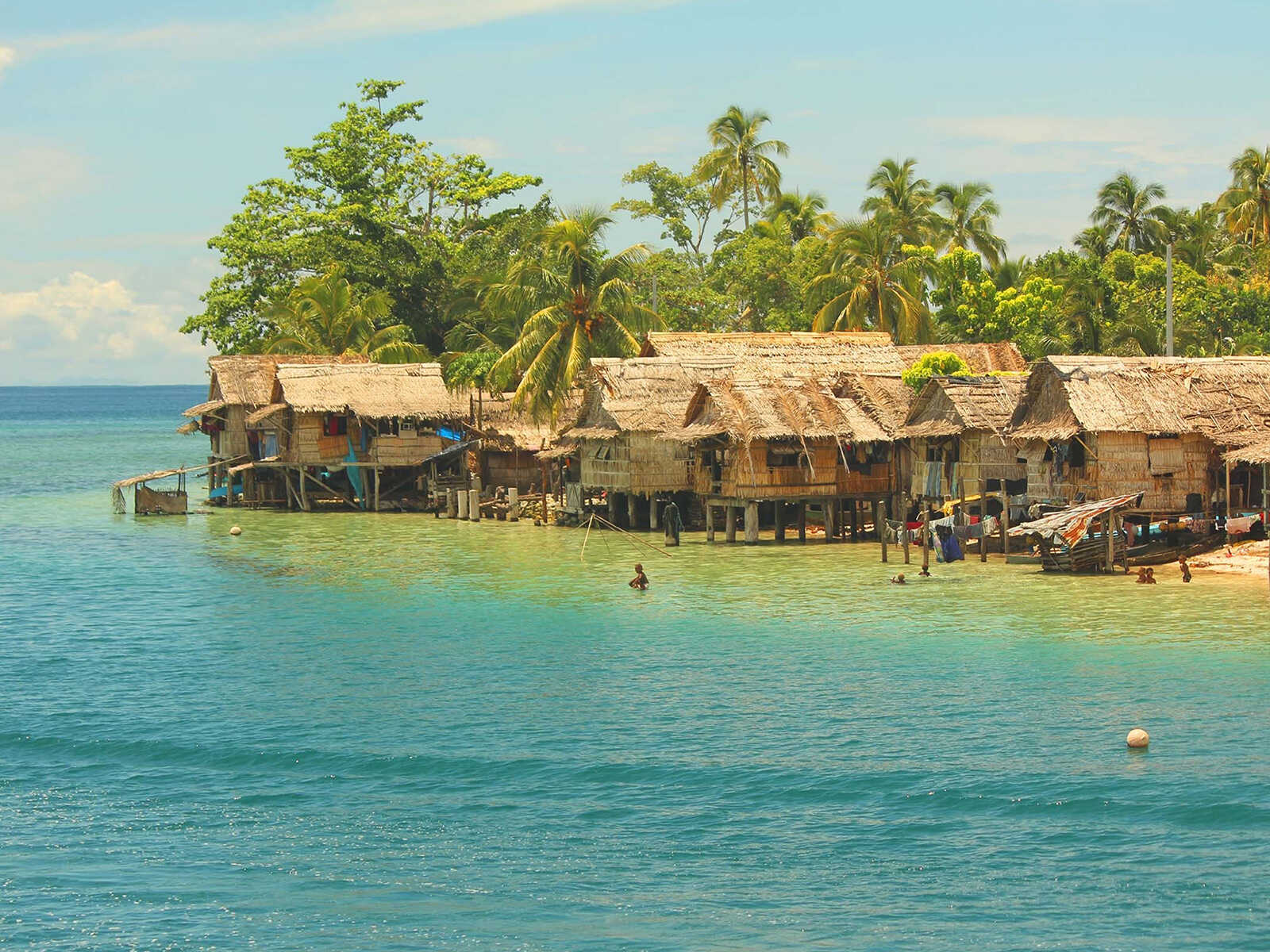
- Artificial Islands:Witness the unique artificial islands, built by generations of Malaitans using coral rocks, a testament to their engineering skills and communal living.
- Kwara'ae Cultural Centre:Learn about traditional customs, dances, and practices.
- Local Markets & Villages:Engage with local communities, observe traditional crafts, and experience a way of life largely unchanged for centuries. Malaita is less developed for tourism, offering a more raw and authentic experience.
Crafting Your Bespoke Itinerary
Your ideal route will depend on your interests, budget, and the time you have. Consider:
- Duration:A week allows for a focused exploration of one province (e.g., Western Province or Guadalcanal). Two weeks or more opens up possibilities for combining provinces and experiencing different facets of the Solomons.
- Interests:Are you a diver, a history buff, a culture enthusiast, or simply seeking relaxation? Prioritise islands that align with your passions.
- Pace:Allow ample time for travel between islands and for unexpected delays. Don't try to cram too much into one trip.
Responsible Tourism in the Solomons
As you explore this incredible destination, remember to practice responsible tourism:
- Support Local:Choose locally owned accommodations, guides, and services to ensure your tourism dollar benefits the community directly.
- Protect the Environment:Be mindful of coral reefs, dispose of waste properly, and use reef-safe products.
- Respect Culture:Engage with locals respectfully, ask permission for photos, and adhere to local customs.
Island hopping in the Solomon Islands is an adventure unlike any other. It’s an opportunity to step away from the ordinary, to connect with nature, history, and people in a profound way. With careful planning and an open heart, you can craft an unforgettable journey through these captivating islands.