
Is the Solomon Islands Worth Visiting? Uncovering Its Hidden Charms
Often overshadowed by more popular Pacific destinations, the Solomon Islands offers a truly unique and enriching travel experience for those seeking adventure, history, and pristine natural beauty. This archipelago nation, scattered across the Coral Sea, promises an authentic journey far from the well-trodden tourist paths.
An Introduction to the Solomon Islands: Why Visit?
The Solomon Islands is a realm of unparalleled biodiversity, rich cultural heritage, and a poignant World War II history. It's a destination for the intrepid traveler, one who values genuine discovery over packaged tours. From vibrant coral reefs teeming with marine life to lush rainforests hiding cascading waterfalls, and from remote villages upholding ancient traditions to haunting WWII relics beneath the waves, the Solomons offers a tapestry of experiences waiting to be explored.
Diving into History: World War II Relics
For history enthusiasts and divers, the Solomon Islands holds an almost sacred significance. Guadalcanal, in particular, was the site of fierce battles during World War II, leaving behind a wealth of historical artifacts both on land and beneath the sea. Exploring these sites offers a powerful and moving connection to the past.
- Underwater Wrecks:The waters surrounding the islands are a veritable museum of sunken ships, aircraft, and other war machinery. These wrecks have transformed into vibrant artificial reefs, attracting an incredible array of marine life. A notable site is the MS World Discoverer, though not a WWII wreck, its presence adds to the allure of wreck diving here.
- Battlefield Tours:On land, visitors can explore memorials, battlefields, and museums that tell the stories of the soldiers who fought here. Places like Bloody Ridge and the Vilu War Museum offer profound insights into the conflict.
- Bonegi Beach:For an easily accessible glimpse into this history,Bonegi beach is famous for its visible Japanese transport shipwrecks, close enough to shore for snorkelers to explore.
An Underwater Paradise: Diving and Snorkeling
Beyond its historical significance, the Solomon Islands is globally renowned as a premier diving and snorkeling destination. Its remote location has protected its reefs from mass tourism, resulting in some of the most pristine and biodiverse marine environments on the planet.
- Vibrant Coral Reefs:Expect to encounter healthy hard and soft corals in an astonishing array of colors. The reefs are home to countless species of reef fish, pelagics, sharks, and rays.
- Diverse Marine Life:From tiny pygmy seahorses and nudibranchs to majestic manta rays and hammerhead sharks, the variety of marine life is astounding. Sea turtles are also a common sight.
- Marovo Lagoon:Often cited as the world's largest saltwater lagoon,Marovo Lagoon is a UNESCO World Heritage Tentative Site and a hotspot for diving and snorkeling, offering crystal-clear waters, vibrant reefs, and traditional village experiences.
- Uepi Island:Located at the edge of the Marovo Lagoon,Uepi is a world-class diving destination, famous for its wall dives where the reef drops dramatically into the deep ocean, attracting large pelagic species.
Cultural Immersion and Local Life
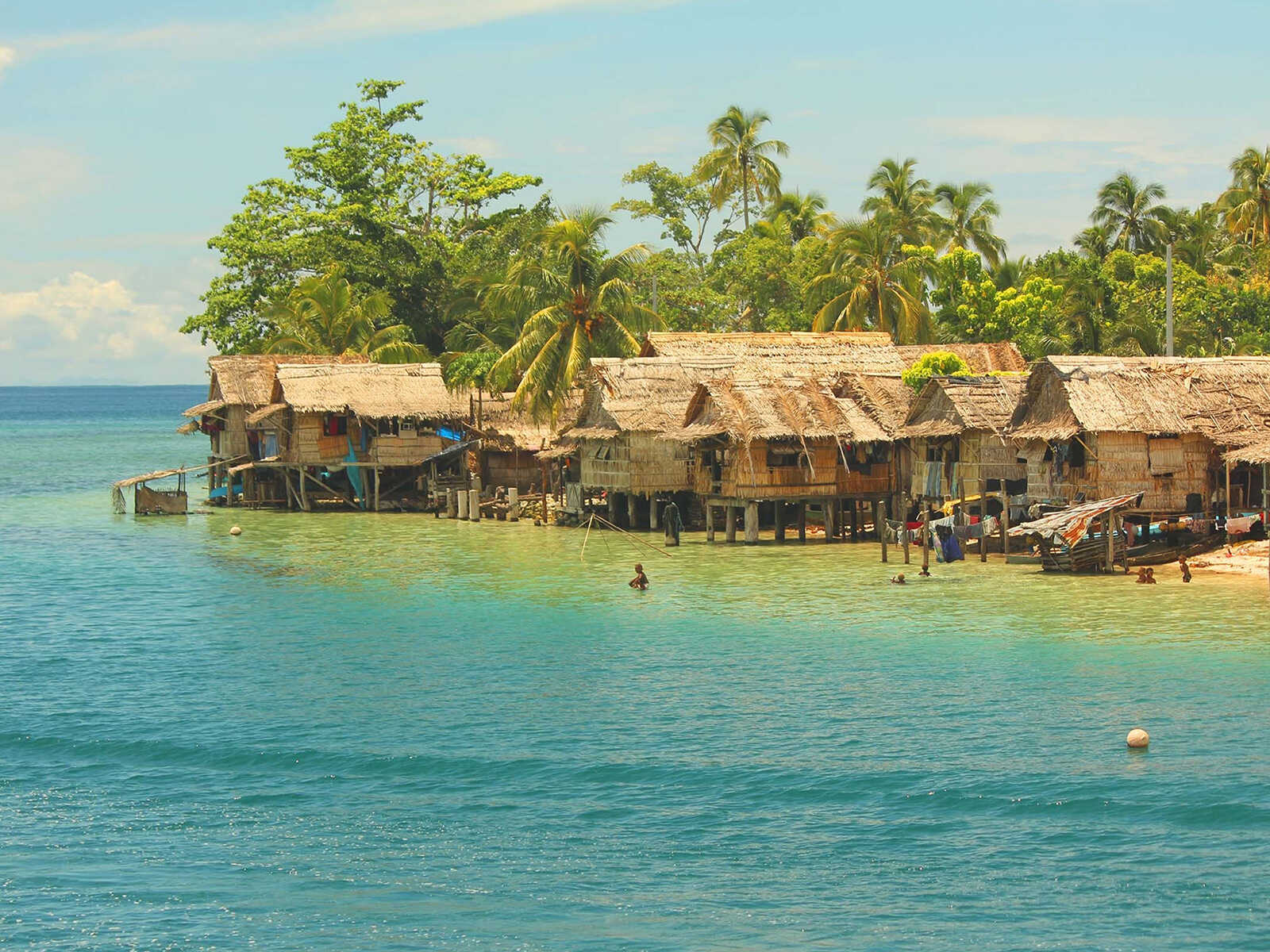
The Solomon Islands is a mosaic of over 900 islands, each with its own unique customs, languages, and traditions. Engaging with the local communities offers a rich cultural experience that is both humbling and enlightening.
- Diverse Cultures:With over 80 indigenous languages spoken, the cultural diversity is immense. Visitors can witness traditional dances, observe ancient carving techniques, and learn about local customs.
- Village Stays:Some operators offer opportunities for authentic village stays, providing a deeper understanding of local life, sustainable practices, and the warm hospitality of the Solomon Islanders.
- Handicrafts:The Solomons are known for exquisite wood carvings, shell money, and woven baskets. These make for meaningful souvenirs and support local artisans.
- Tetepare Island:A unique model of conservation,Tetepare is a community-managed island where traditional customs and sustainable practices are paramount. Visiting supports their conservation efforts and offers an insight into a truly unique way of life.
Tip for Cultural Respect:When visiting local villages, dress modestly, especially women, and always ask permission before taking photos of people. A small gift or donation to the community can also be a thoughtful gesture.
Untouched Nature and Adventure
Beyond the coast, the Solomon Islands boasts a rugged interior of volcanic peaks, dense rainforests, and pristine rivers, offering ample opportunities for adventure and exploration.
- Hiking and Trekking:Explore jungle trails leading to hidden waterfalls, ancient shrines, or panoramic viewpoints. Guides are often essential for navigating the dense terrain and understanding local lore.
- Waterfalls:Discover breathtaking waterfalls, such as the impressive Tenaru waterfalls on Guadalcanal, where you can often swim in cool, refreshing pools.
- Kayaking and Paddleboarding:Explore the calm, clear waters of lagoons and coastal areas at your own pace, paddling past mangroves and remote beaches.
- Birdwatching:The islands are a haven for endemic bird species, making it a rewarding destination for ornithologists and nature lovers.
Practical Considerations for Your Trip
While incredibly rewarding, a trip to the Solomon Islands requires a bit more planning than a typical resort holiday. Here are some practical points to consider:
Getting There and Around
International flights typically arrive at Honiara International Airport (HIR) on Guadalcanal. From there, domestic flights connect to several provincial airfields. Inter-island travel also involves boats, ranging from local passenger ferries to private charters, which can be an adventure in themselves.
Accommodation Options
Accommodation varies from comfortable boutique resorts, particularly in prime diving locations like Marovo Lagoon, to locally owned guesthouses and eco-lodges. Options in Honiara include hotels catering to business travelers and tourists. Booking in advance, especially for remote lodges, is highly recommended.
Best Time to Visit
The Solomon Islands experiences a tropical climate. The drier season, generally from May to November, offers more predictable weather with less rainfall and calmer seas, making it ideal for diving and island hopping. The wetter season, from December to April, can bring more rain and potential cyclones.
Safety and Health
The Solomon Islands is generally safe for tourists, but standard travel precautions apply. Be aware of your surroundings, especially in urban areas after dark. Malaria is present in some areas, so consult your doctor about preventative measures. Good insect repellent is a must. Medical facilities are limited, particularly outside of Honiara, so comprehensive travel insurance is essential.
The Verdict: Is the Solomon Islands Worth Visiting?
Absolutely. For those seeking an authentic, off-the-beaten-path adventure, the Solomon Islands offers an unparalleled blend of natural beauty, profound history, and vibrant culture. It’s not a destination for luxury resorts and curated experiences, but rather for intrepid travelers willing to embrace a journey of discovery. Its pristine marine environments, haunting WWII relics, and genuine local interactions make it a truly unforgettable place. If you're looking to explore a corner of the world that still feels wild, untouched, and deeply meaningful, the Solomon Islands is undoubtedly worth the journey.