
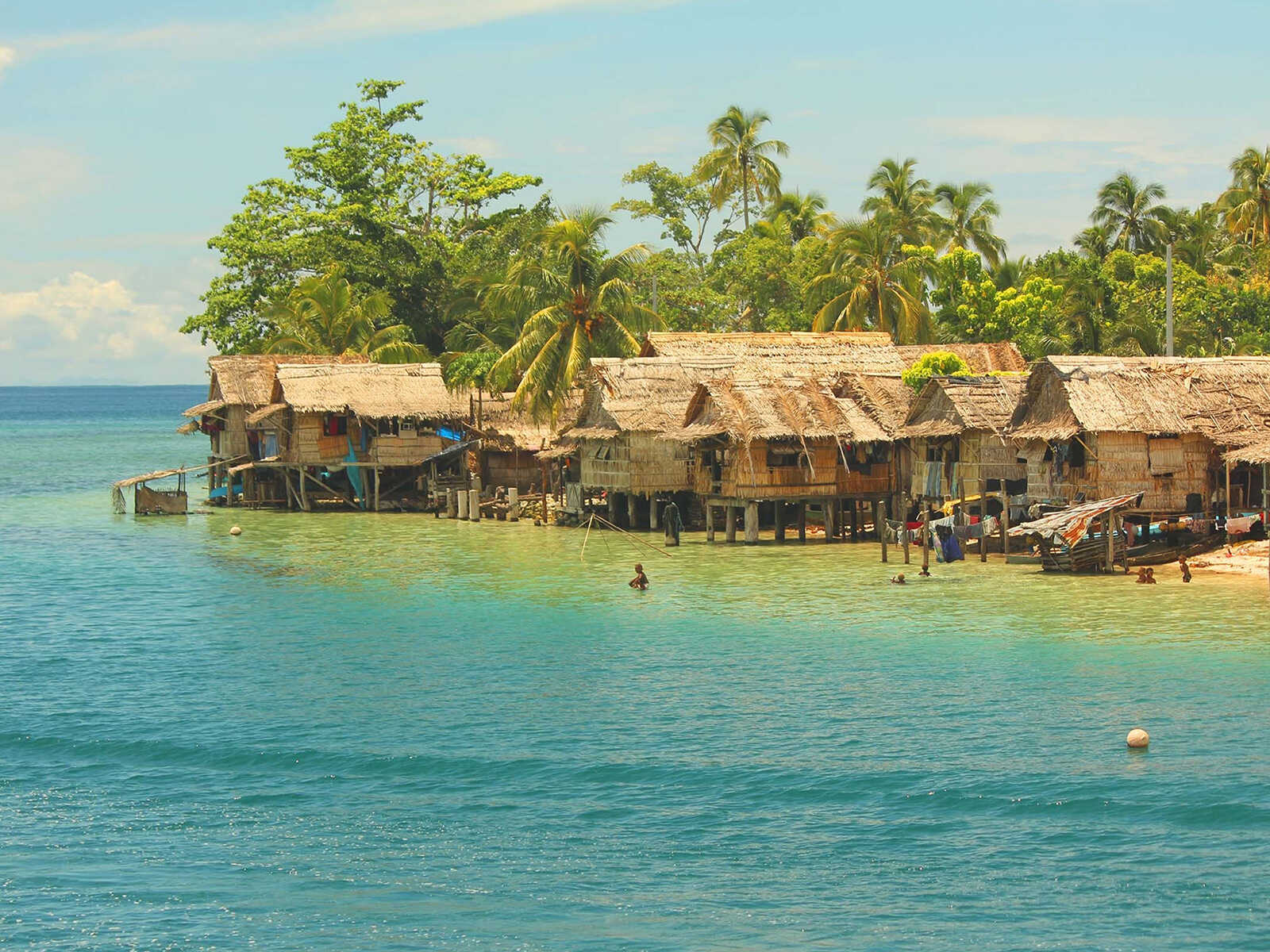
Is the Solomon Islands Safe for Tourists? A Traveler's Safety Guide
The Solomon Islands, an archipelago nation in the South Pacific, offers pristine natural beauty, rich cultural heritage, and incredible WWII history. As this captivating destination gains popularity, prospective travelers often ask: Is it safe? This comprehensive guide will navigate the safety landscape, providing practical advice to ensure a secure and unforgettable journey.
Understanding the Solomon Islands' Safety Landscape
For many years, the Solomon Islands faced a period of ethnic tension in the late 1990s and early 2000s, often referred to as "The Tensions." This led to a perception of instability. However, with the successful intervention of the Regional Assistance Mission to Solomon Islands (RAMSI), which concluded in 2017, the country has enjoyed a prolonged period of peace and stability. Today, the Solomon Islands is generally a safe and welcoming destination for tourists, though like any developing nation, it presents unique considerations.
The vast majority of Solomon Islanders are friendly, hospitable, and curious about visitors. While the infrastructure outside the capital, Honiara, can be basic, and services limited, the warmth of the local people often makes up for any inconveniences. Being aware, respectful, and prepared are your best tools for a safe and enjoyable trip.
Common Safety Concerns & How to Mitigate Them
Petty Crime
Like many urban areas, Honiara experiences petty crime such as pickpocketing, bag snatching, and occasional opportunistic theft. These incidents are more common in crowded areas like markets, bus stations, and at night.
- Be Vigilant:Always be aware of your surroundings, especially in crowded places.
- Secure Valuables:Keep passports, large sums of cash, and expensive electronics out of sight and secured. Consider a money belt or cross-body bag.
- Avoid Walking Alone at Night:Especially in poorly lit areas. Use reputable taxis if you need to travel after dark.
Health & Medical Facilities
Medical facilities in the Solomon Islands are limited, particularly outside Honiara. Serious medical conditions often require evacuation to Australia or New Zealand.
- Mosquito-Borne Diseases:Malaria and dengue fever are prevalent. Use strong insect repellent, wear long sleeves and pants, and sleep under mosquito nets where provided. Consult your doctor about anti-malarial medication before your trip.
- Water & Food Safety:Drink only bottled or purified water. Avoid ice in drinks unless you're sure it's made from safe water. Be cautious with street food; opt for freshly cooked, hot meals.
- Sun Protection:The equatorial sun is intense. Use high SPF sunscreen, wear a hat, and seek shade during peak hours.
- Travel Insurance:Comprehensive travel insurance, including medical evacuation, is absolutely essential.
Natural Disasters
The Solomon Islands is located in the "Ring of Fire," making it susceptible to earthquakes and tsunamis. It also lies in a cyclone belt during the wet season (November to April).
- Stay Informed:Monitor local news and weather reports.
- Know Evacuation Routes:Familiarize yourself with emergency procedures at your accommodation.
- Follow Local Advice:Heed warnings from local authorities and your accommodation staff.
Cultural Sensitivity
The Solomon Islands is a culturally rich nation with strong traditional customs, particularly in village settings. Respecting these traditions is key to a positive experience.
Traveler Tip:When visiting villages or sacred sites, it's always best to dress modestly, covering shoulders and knees. Asking for permission before taking photos of people, especially children, is also a sign of respect.
Water Safety
The beautiful waters surrounding the islands can also pose risks.
- Currents:Be aware of strong ocean currents, especially when swimming or snorkeling in unfamiliar areas.
- Marine Life:While mostly harmless, some marine creatures like jellyfish, stonefish, and certain corals can cause stings or injuries. Avoid touching marine life.
- Boating:Ensure any boat you charter is well-maintained and has appropriate safety equipment.
Road Safety & Transportation
Road conditions outside Honiara are generally poor. Public transport (minibuses) can be overcrowded and unsafe. Taxis in Honiara are available but confirm the fare before starting your journey.
- Driving:Self-driving is not recommended for most tourists due to challenging road conditions and different driving customs.
- Taxis:Use licensed taxis, especially at night.
- Boats:When traveling between islands, use reputable operators. Rough seas can occur, so ensure life jackets are available.
Before You Go: Pre-Travel Preparations
Thorough preparation is your best defense against potential issues.
- Comprehensive Travel Insurance:As mentioned, this is non-negotiable. Ensure it covers medical emergencies, evacuation, and trip cancellations.
- Health Check-up & Vaccinations:Visit your doctor several weeks before departure to discuss necessary vaccinations and malaria prophylaxis.
- Document Copies:Keep photocopies or digital copies of your passport, visa, flight tickets, and insurance details separate from the originals.
- Local Currency:The local currency is the Solomon Islands Dollar (SBD). ATMs are mainly available in Honiara. It's wise to carry some smaller denominations for local markets and remote areas.
- Emergency Contacts:Note down the contact details of your embassy or consulate in Honiara, as well as local emergency numbers.
While You're There: On-the-Ground Safety Tips
- Be Aware of Your Surroundings:Always observe what's happening around you.
- Respect Local Customs:Engage positively with locals, but always be mindful of cultural norms.
- Secure Valuables:Use hotel safes. Don't leave bags unattended on beaches or in public places.
- Stay Hydrated & Protect from Sun:Drink plenty of water and cover up to avoid sunburn and heatstroke.
- Responsible Alcohol Consumption:Drink in moderation, especially in public. Avoid walking alone after consuming alcohol.
- Trust Your Gut:If a situation or person feels unsafe or uncomfortable, remove yourself from it.
- Hiring Guides & Tours:For excursions, especially to remote areas or for activities like diving, always use reputable and licensed tour operators and local guides. They have invaluable local knowledge and can enhance your safety and experience.
Specific Activities & Safety
Diving & Snorkeling
The Solomon Islands offers world-class diving and snorkeling, from vibrant reefs to incredible WWII wrecks. Destinations like Marovo Lagoon and the waters around Uepi are renowned for their biodiversity.
- Certified Operators:Only dive with PADI or equivalent certified operators.
- Equipment Check:Always inspect your rental equipment before use.
- Wreck Diving:If exploring sites like the MS World Discoverer wreck, ensure you are appropriately certified and follow guide instructions strictly.
- Currents:Be aware of strong currents that can occur, especially around channels and passages.
Hiking & Exploring Inland
Venturing into the lush interior, perhaps to see the Tenaru waterfalls, can be rewarding but requires planning.
- Local Guides:Always hire a local guide for inland treks. They know the terrain, potential hazards, and can navigate challenging paths.
- Essentials:Carry plenty of water, snacks, a basic first-aid kit, and appropriate footwear.
- Inform Others:Let your accommodation or a trusted person know your itinerary and expected return time.
Beach Visits
Beaches like Bonegi beach offer beautiful scenery and WWII history.
- Belongings:Don't leave valuables unattended on the beach.
- Swimming:Be mindful of currents and local advice regarding safe swimming areas.
Visiting Remote Islands
For an unparalleled experience, consider destinations like Tetepare, a conservation area on an uninhabited island.
- Plan Logistics:Ensure all transport and accommodation arrangements are confirmed well in advance.
- Communication:Understand that phone and internet access will be very limited or non-existent. Inform family/friends of your itinerary before you go.
Emergency Contacts & Resources
- Police:999 (in Honiara)
- Medical Emergency:911 (limited service, often better to go directly to hospital if possible)
- Your Embassy/Consulate:Keep their contact details handy.
- Local Tour Operators/Accommodation:They are often the best resource for immediate local assistance.
Conclusion: A Rewarding Adventure Awaits
The Solomon Islands is a truly spectacular destination, offering a unique blend of natural wonders, historical significance, and vibrant culture. While it's important to be aware of the safety considerations common to many developing countries, with proper preparation, a respectful attitude, and a good dose of common sense, you can explore its pristine beauty and rich heritage safely and confidently. Embrace the adventure, and you'll find the Solomon Islands to be an incredibly rewarding and unforgettable experience.