
How to Visit Marovo Lagoon: Planning Your Trip to the World's Largest Lagoon
Embarking on a journey to the Solomon Islands promises an adventure unlike any other, and at its heart lies the magnificent Marovo Lagoon. Known as the world's largest saltwater lagoon, this UNESCO World Heritage Tentative Site offers an unparalleled blend of stunning natural beauty, rich biodiversity, and vibrant Melanesian culture. Planning your trip to this remote paradise requires careful consideration, and this guide will equip you with all the practical information you need.
Discovering the Jewel of the Western Province
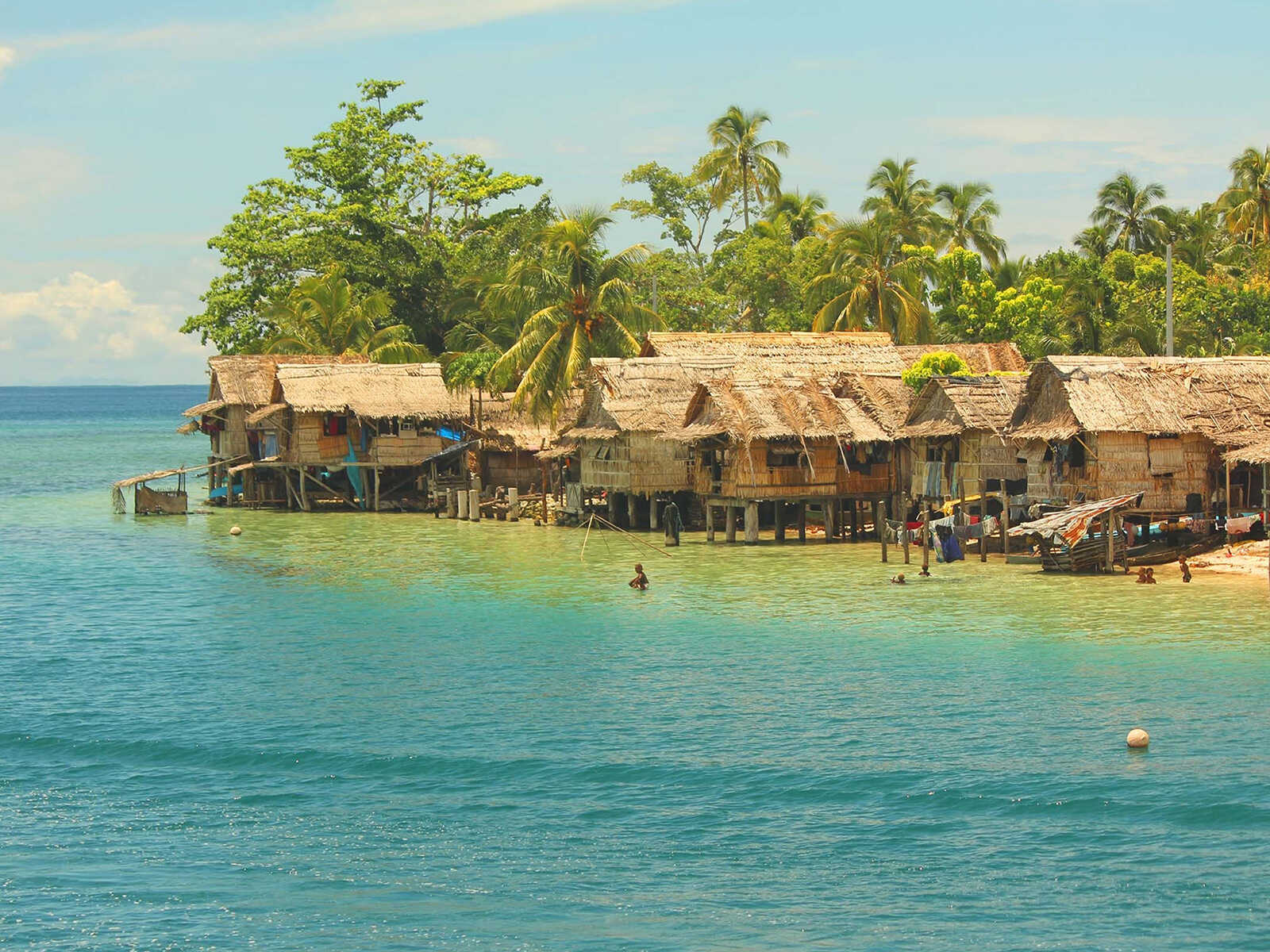
Marovo Lagoon, located in the Western Province of the Solomon Islands, is a vast, intricate network of coral reefs, volcanic islands, and azure waters stretching over 150 kilometers. It's a place where ancient traditions thrive alongside pristine natural environments, offering visitors a unique window into a truly untouched world. The lagoon is renowned for its exceptional marine biodiversity, making it a diver's and snorkeler's dream, while its lush islands conceal unique flora and fauna, and villages steeped in history.
Did you know?Marovo Lagoon is not only the world's largest saltwater lagoon but is also home to some of the most intricate and biodiverse coral reef systems on Earth, boasting an incredible array of fish species and marine invertebrates.
Getting to Marovo Lagoon
Reaching Marovo Lagoon is an adventure in itself, primarily involving domestic flights and boat transfers.
- International Flights to Honiara:Your journey will begin with an international flight to Honiara (Henderson International Airport - HIR) on Guadalcanal Island, the capital of the Solomon Islands. Airlines like Solomon Airlines, Fiji Airways, and Air Niugini offer connections from major Pacific hubs.
- Domestic Flights to the Western Province:From Honiara, you'll take a domestic flight with Solomon Airlines to one of the small airstrips serving the Marovo Lagoon area. The most common entry point is Seghe (GHE). These flights are typically on smaller aircraft, offering spectacular aerial views of the islands. It's crucial to book these domestic flights well in advance, especially during peak season, as availability can be limited.
- Boat Transfers:Upon arrival at Seghe or your chosen airstrip, your resort or guesthouse will arrange a boat transfer to your accommodation. These transfers often involve navigating through stunning channels and past small islands, providing your first immersive experience of the lagoon. Ensure your transfers are pre-booked and confirmed before you travel.
Accommodation Options
Marovo Lagoon offers a range of accommodation, from world-class diving resorts to community-run eco-lodges, catering to different budgets and preferences.
- Resorts:For those seeking comfort and dedicated dive facilities, resorts like Uepi Island Resort are an excellent choice.Uepi is renowned for its access to pristine reefs and channels, offering exceptional diving, snorkeling, and a comfortable base for exploration. These resorts typically offer full board and can arrange all activities.
- Eco-lodges and Guesthouses:Scattered throughout the lagoon are locally owned and operated eco-lodges and guesthouses. These provide a more rustic and intimate experience, often located within or adjacent to traditional villages. They offer a fantastic opportunity for cultural immersion and directly support local communities. Facilities might be basic, but the warmth of the hospitality and authenticity of the experience are unparalleled.
- Village Homestays:For the truly adventurous, some villages offer homestay experiences, allowing you to live with a local family and participate in daily village life. This is the deepest form of cultural exchange but requires an open mind and adaptability to simple living conditions.
Booking accommodation well in advance is highly recommended, especially for popular resorts and during peak travel seasons.
Activities and Experiences in Marovo Lagoon
The allure of Marovo Lagoon lies in its diverse offerings, blending adventure with cultural discovery.
- Diving and Snorkeling:The lagoon is a diver's paradise, boasting crystal-clear waters, vibrant coral gardens, dramatic drop-offs, and an abundance of marine life including sharks, manta rays, turtles, and countless reef fish. Many resorts, like Uepi, offer certified dive centers and guides. Even snorkelers will be captivated by the accessible reefs teeming with life.
- Village Visits and Cultural Exchange:Immerse yourself in the rich Melanesian culture by visiting local villages. Witness traditional customs, observe daily life, and perhaps purchase intricately carved wooden artifacts, for which Marovo Lagoon is famous. Always remember to be respectful and ask permission before taking photographs.
- Kayaking and Paddleboarding:Explore the tranquil waters and hidden coves of the lagoon at your own pace. Many accommodations offer kayaks or paddleboards for guest use, allowing for peaceful exploration of the coastline and surrounding islets.
- Island Hopping and Excursions:Arrange boat trips to explore different parts of the lagoon, visit remote islands, or find secluded beaches for swimming and picnics.
- Hiking and Nature Walks:Some islands offer opportunities for short hikes into the lush rainforest, providing stunning panoramic views of the lagoon and a chance to spot unique birdlife.
Best Time to Visit
The Solomon Islands generally experience a tropical climate with two main seasons. Thedry season (May to November)is often considered the best time to visit Marovo Lagoon. During these months, you can expect less rainfall, calmer seas, and clearer visibility for diving and snorkeling. Thewet season (December to April)brings higher humidity and more frequent, though often short, heavy downpours. Travel is possible year-round, but the dry season generally offers more predictable weather conditions.
Cultural Etiquette and Respect
The people of the Solomon Islands are known for their warmth and hospitality. To ensure a positive experience for everyone, it's essential to observe local customs:
- Dress Modestly:Especially when visiting villages, women should wear skirts or shorts that cover the knees, and shoulders should be covered. Men should also dress respectfully.
- Ask Permission:Always ask for permission before taking photos of people, particularly children, or entering private property.
- Respect Taboos (Tambu):Be aware of local tambu (sacred or forbidden) areas or practices. Your hosts will guide you.
- Community Support:When purchasing carvings or services, remember you are directly supporting local families.
Health and Safety Tips
- Malaria:The Solomon Islands are a malaria-risk area. Consult your doctor about anti-malarial medication and use insect repellent, especially at dusk and dawn. Sleep under mosquito nets if available.
- Sun Protection:The equatorial sun is intense. Use high SPF sunscreen, wear a wide-brimmed hat, and seek shade during peak hours.
- Hydration:Drink plenty of bottled or boiled water to stay hydrated.
- Medical Facilities:Medical facilities are basic, especially in remote areas. Ensure you have comprehensive travel insurance that covers medical evacuation. Carry a basic first-aid kit.
- Reef Safety:Be mindful of currents when swimming or snorkeling. Do not touch or stand on coral, and be aware of potential marine hazards like stonefish or jellyfish.
What to Pack
Pack light and practical items suitable for a tropical climate:
- Light, breathable clothing (cotton or linen)
- Swimwear and reef-safe sunscreen
- Hat and sunglasses
- Insect repellent
- Sturdy sandals or water shoes for rocky areas
- Snorkel gear (if you prefer your own)
- Small backpack for day trips
- Reusable water bottle
- Power bank for charging devices (electricity can be intermittent)
- Cash (Solomon Islands Dollars - SBD) for village purchases; ATMs are rare outside Honiara.
- Basic first-aid kit
Embracing Sustainable Tourism
Visiting Marovo Lagoon offers a profound connection with nature and culture. By choosing locally owned accommodation, respecting local customs, minimizing your environmental footprint (e.g., proper waste disposal, no touching coral), and supporting local artisans, you contribute to the sustainable future of this extraordinary destination.
A trip to Marovo Lagoon is more than just a holiday; it's an immersive journey into a world where time seems to slow down, and the rhythm of life is dictated by the tides and traditions. Plan carefully, travel respectfully, and prepare to be enchanted by the unparalleled beauty and genuine warmth of the Solomon Islands.