
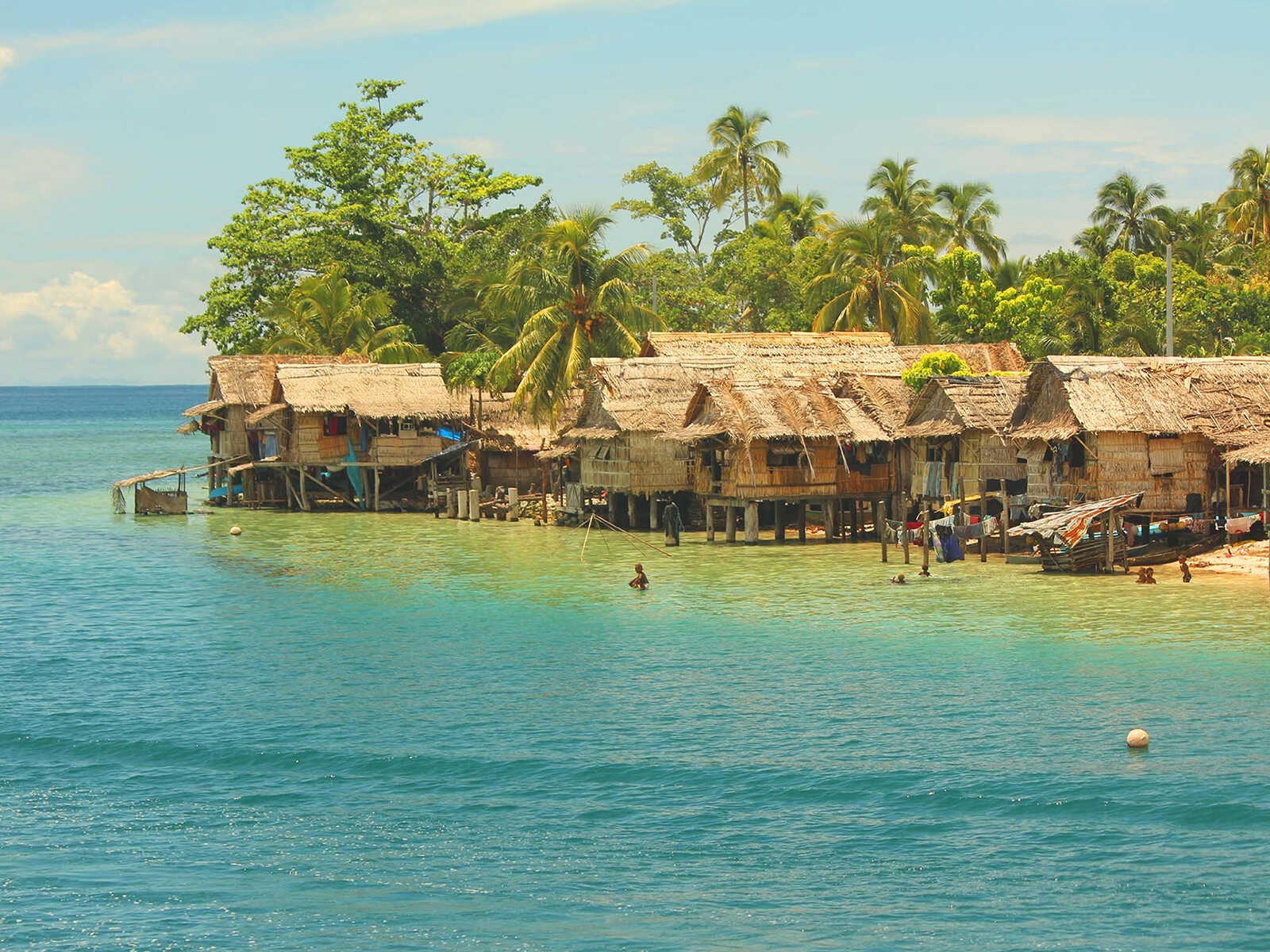
How to Get Around the Solomon Islands: Transportation Guide for Travelers
Navigating the Solomon Islands offers an adventurous and authentic travel experience, distinct from more developed destinations. With its myriad of islands scattered across the Pacific, understanding the local transportation network is key to unlocking the full beauty and cultural richness of this remarkable archipelago. This guide provides practical insights into the various ways you can explore the Solomons, ensuring a smoother journey through its stunning landscapes.
Arriving in the Solomon Islands: International Travel
Most international travelers arrive at Honiara International Airport (HIR) on Guadalcanal, the country's main gateway. Flights typically connect through major hubs like Brisbane (Australia) or Port Moresby (Papua New Guinea). Upon arrival, immigration and customs procedures are straightforward, but it's always wise to have your onward travel details and accommodation bookings ready.
From the airport, Honiara city center is a relatively short drive. Taxis are readily available outside the terminal, and many hotels or tour operators offer pre-arranged airport transfers, which can be a convenient option, especially for first-time visitors.
Getting Around the Main Islands: Domestic Air Travel
Given the vast distances and numerous islands, domestic air travel is often the quickest and most efficient way to hop between the larger islands and provinces.Solomon Airlinesoperates the domestic network, connecting Honiara with provincial capitals and larger population centers.
- Key Routes:Popular routes include flights to Gizo and Munda in the Western Province, Auki in Malaita, and Santa Cruz in Temotu Province. These flights provide access to popular tourist destinations and significant cultural sites.
- Booking:It is highly recommended to book domestic flights well in advance, especially during peak seasons or for less frequent routes, as planes are often small and fill up quickly. Flexibility with travel dates can also be beneficial.
- Baggage:Be mindful of baggage allowances, which can be more restrictive on smaller aircraft than international flights. Excess baggage fees may apply.
Traveler Tip:Domestic flights in the Solomon Islands often offer breathtaking aerial views of the scattered islands, coral reefs, and pristine waters – keep your camera ready!
Island Hopping by Sea: Ferries and Boats
For a more immersive and often more affordable experience, sea travel is integral to life in the Solomon Islands. It's the primary way locals commute between islands and is an adventure in itself.
Public Ferries
Several public ferries operate between Honiara and various provincial capitals, particularly to the Western Province (Gizo, Munda, Noro) and Malaita (Auki). These range from larger cargo-passenger vessels to smaller, faster boats.
- Schedules:Schedules can be somewhat fluid and subject to change based on weather conditions or local demand. It's always best to inquire locally about the most current timings.
- Comfort:While generally safe, comfort levels vary. Expect basic facilities on most public ferries. Bringing your own snacks, water, and sun protection is advisable.
- Experience:Ferry travel offers a unique opportunity to interact with local people and observe daily life. It's a genuine slice of Solomon Islands culture.
Speedboats and Local Canoes
For reaching more remote islands, specific resorts, or exploring intricate lagoon systems, speedboats and traditional dugout canoes (often motorized) are indispensable. These are essential for accessing places like Marovo Lagoon,Tetepare, or Uepi.
- Charters:Speedboats can be chartered for private transfers or tours. This provides flexibility but comes at a higher cost. Always agree on the price and destination beforehand.
- Resort Transfers:Many remote eco-lodges and resorts include boat transfers as part of their package or can arrange them for a fee.
- Safety:Always ensure the boat is in good condition, has life jackets for all passengers, and that the operator is experienced. Weather can change quickly at sea, so be prepared for potentially choppy conditions.
Exploring the many dive sites, including the wreck of the MS World Discoverer or the fascinating underwater world off Bonegi beach, will almost certainly involve boat travel arranged through local dive operators.
Navigating on Land: Around Towns and Villages
Once you're on an island, land transport options vary significantly depending on whether you're in the bustling capital of Honiara or a quiet village.
Taxis
In Honiara, taxis are plentiful and easily recognizable. They are typically unmetered, so it's crucial to agree on a fare before starting your journey. Taxis are less common outside Honiara but can sometimes be found in larger provincial towns like Gizo or Auki.
Buses and Public Transport
Honiara has an extensive network of privately owned minibuses that serve as the primary mode of public transport. They operate on fixed routes but can stop almost anywhere along the way. This is a very affordable and authentic way to get around the city, though it can be crowded.
In smaller towns and villages, public transport might be limited to shared vans or pick-up trucks, often operating on less formal schedules.
Rental Cars
Car rental services are available in Honiara, primarily from international brands or local providers. Driving is on the left-hand side of the road. Road conditions vary significantly; while Honiara has some paved roads, many routes, especially outside the capital, can be rough, unpaved, and challenging, particularly during the rainy season. A 4x4 vehicle is often recommended for exploring beyond the main urban areas, perhaps for a trip towards Tenaru waterfalls.
Walking
In villages and smaller towns, walking is often the most practical and enjoyable way to get around. It allows you to immerse yourself in the local environment, meet people, and discover hidden gems at your own pace.
Specialized Transportation
- Resort & Tour Transfers:Many resorts and tour operators will arrange specific transfers for their guests, from airport pickups to boat trips for excursions.
- Guided Tours:For specific attractions or activities, such as exploring historical sites, diving, or visiting remote natural wonders, guided tours often include all necessary transportation.
Tips for Travelers
- Flexibility is Key:"Island time" is a real concept here. Be prepared for potential delays or changes to schedules, especially with sea and air travel. Patience and a relaxed attitude will serve you well.
- Plan Ahead:While flexibility is important, booking inter-island flights and key transfers in advance, especially during peak seasons, is advisable.
- Local Knowledge:Don't hesitate to ask your accommodation hosts, local guides, or fellow travelers for advice on the best and safest ways to get around. They often have the most current information.
- Safety First:When traveling by boat, always ensure there are life jackets available. If traveling after dark, especially in less familiar areas, consider arranging transport rather than walking.
- Communication:Consider purchasing a local SIM card for easier communication, especially if you need to coordinate with transport providers.
Navigating the Solomon Islands is an integral part of the adventure. By understanding the available options and embracing the local pace, you'll find that getting around is not just a means to an end, but an enriching experience that deepens your connection with this extraordinary destination.